

Bhopal Bureau
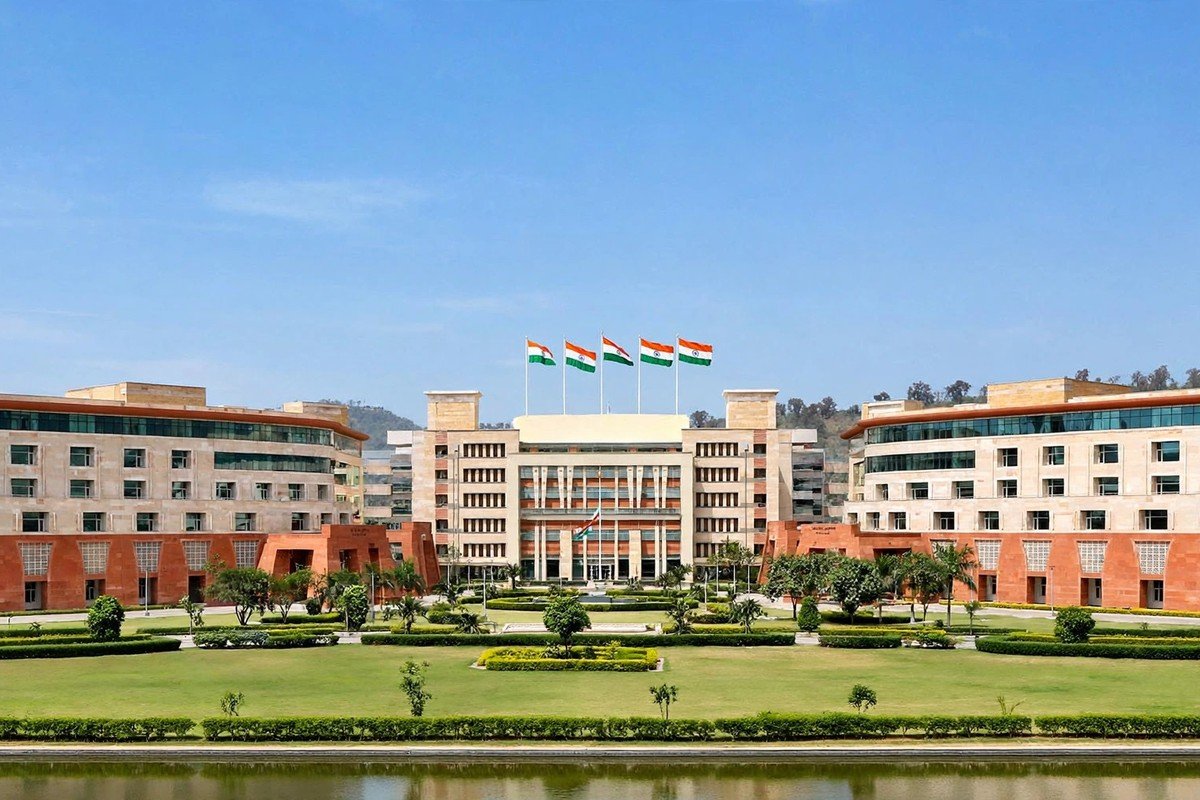
The Madhya Pradesh Cabinet, chaired by Chief Minister Dr Mohan Yadav at the Mantralaya in Bhopal on Tuesday, approved the continuity of schemes worth Rs 23,228 crore, to run till 2031. The schemes cover infrastructure construction, four water resources projects, health department hospitals and forest department training centres. The meeting also pushed swadeshi products, extended paddy procurement registration to 4 November, cleared 15 new satellite towns and decided to celebrate Birsa Munda Jayanti grandly across the state on 15 November. The next Cabinet meeting will be held as a destination Cabinet at Gandhisagar on 18 November.
What the Cabinet decided
The Madhya Pradesh Cabinet met on Tuesday, 3 November 2026, at the Mantralaya in Bhopal. Chief Minister Dr Mohan Yadav chaired the meeting. After the meeting, MSME Minister Chaitanya Kashyap briefed the media on the decisions taken. He said the meeting was held before Diwali, and it began with greetings to the people of the state on the festival, along with approvals for several important proposals. The Cabinet decided on the continuity of several schemes. The government said schemes already under way will not be allowed to stall midway, and funds for them have been arranged in advance. In line with this thinking, a large amount was approved for schemes that will run till 2031. The meeting also decided that departments must work in a time-bound manner so that development works keep their pace. The meeting laid special emphasis on promoting swadeshi products. The Chief Minister appealed that people give maximum priority to swadeshi goods in their purchases. This appeal is in line with Prime Minister Narendra Modi’s call to people to adopt goods made in the country. The meeting also stressed Make in India, so that production and employment in the state both get a boost.
Where the Rs 23,228 crore will go
The Cabinet approved the continuity of schemes worth Rs 23,228 crore. The schemes that will run till 2031 include the Mukhyamantri Adhosanrachna Nirman Yojana, four projects of the water resources department, hospitals of the health department and training centres of the forest department. The government argues that approving such a large amount together will remove the risk of schemes getting stuck midway and will keep work moving continuously. A clarification on the figures is necessary here. Two reports put the amount at Rs 23,228 crore, while another report mentions the continuity of development works worth more than Rs 23,288 crore. This report uses the Rs 23,228 crore figure because it appears in two independent reports. The final confirmation of the figures will be possible once the detailed official break-up is available. Under the infrastructure construction scheme, roads, bridges and culverts and public facilities in the state’s towns and cities will gain pace. The government believes good roads and basic facilities are the first condition for the development of any region. Similarly, funds for forest department training centres will carry forward the training work of employees connected with forests and local people.
Push for irrigation and infrastructure
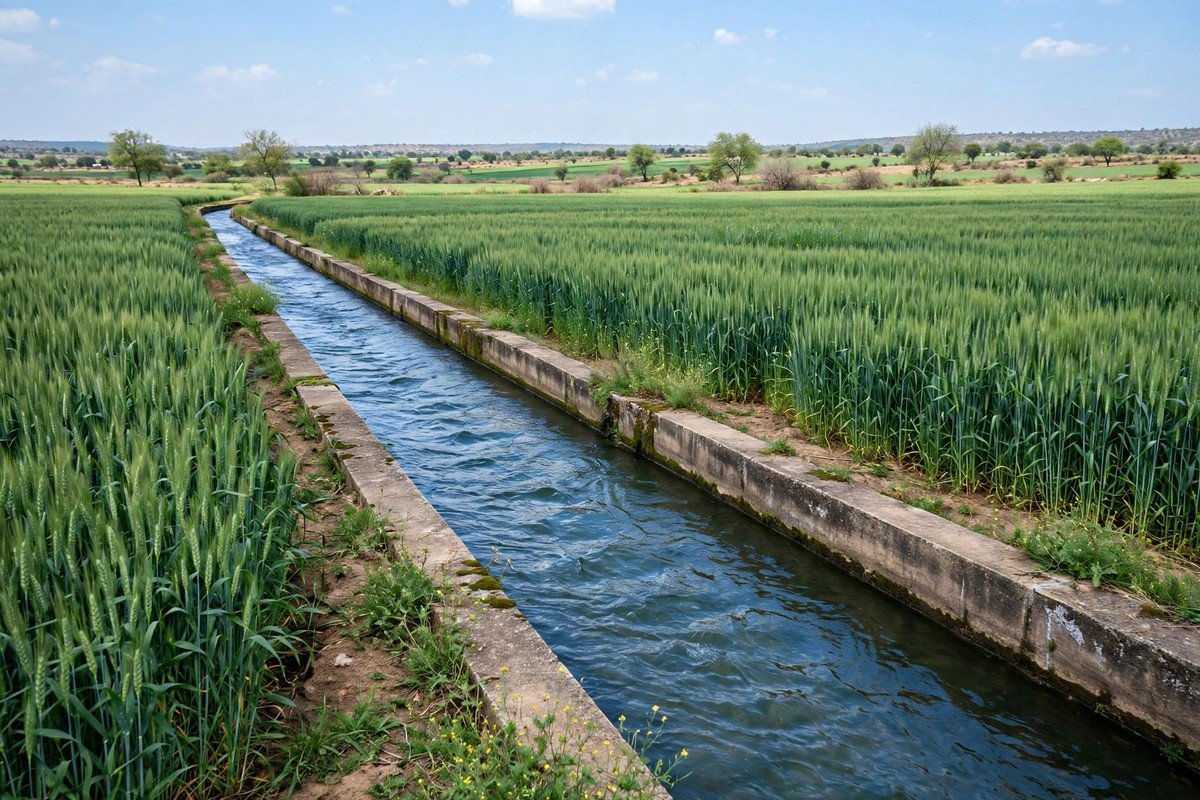
The decision on four water resources projects is being seen as the most important from the point of view of farmers and irrigation. The meeting was told that stalled works at four places in the water resources department will now be completed at a fast pace. Continuity will be given to the scheme for irrigation facilities in Panna, the Lateri project in Vidisha district and the Mauganj-Sidhi-Singrauli region. Once these projects are completed, the capacity to carry water to fields will increase. Better irrigation directly benefits farmers, because timely water for crops is the biggest need for production. The government says giving priority to irrigation projects will strengthen the state’s agricultural economy and will be a concrete step towards increasing farmers’ income. The meeting also discussed the Simhastha fair. The discussion noted that before Simhastha, the Kshipra river should remain fully filled with water, and necessary arrangements should be made for this. The availability of water in the river during such a large gathering is considered important both for devotees and for the arrangements of the event, which is why the meeting gave special attention to this subject.
Boost for health and medical education
The meeting also took an important decision for the health sector. The medical education department has received continuity approval with a provision of Rs 610 crore for the establishment of new hospitals. This means the construction of new hospitals can now move forward without interruption. Funds for health department hospitals will expand treatment facilities in the state. As the number and capacity of hospitals in the state increase, patients will be able to get better treatment in their own district or division. At present, many patients have to travel to big cities for treatment of serious illnesses. The expansion of new hospitals and health facilities will reduce this pressure and will bring relief to people in rural areas as well. The expansion of medical education is also linked to health facilities. New hospitals will need doctors and health workers, which will also increase opportunities for young people connected with medical education. The government says investment in both health and education will strengthen the state’s human resource capacity.
Decisions for farmers
Two decisions connected with farmers stood out in the meeting. The first relates to paddy procurement. The Cabinet was told that the date for farmers’ registration for paddy procurement has been extended to 4 November. This will allow farmers who could not register so far for any reason to complete their registration. Registration is compulsory for paddy purchase, so extending the date will bring relief to farmers. The second decision relates to damage to crops from nilgai and deer. Farmers faced the problem of nilgai damaging their crops. On this, the government called experts from Africa. Using the boma method, they caught about 2,000 deer and nilgai and released them in various sanctuaries. Earlier this method was used only in Africa, but now it is also being used in the state. The meeting was also told that experts from Africa gave training in this method. Shifting nilgai and deer to safe places will reduce damage to farmers’ crops and will also ensure the safety of wildlife. The government says this step has been taken keeping in mind the interests of both farmers and wildlife.
The swadeshi and Diwali message
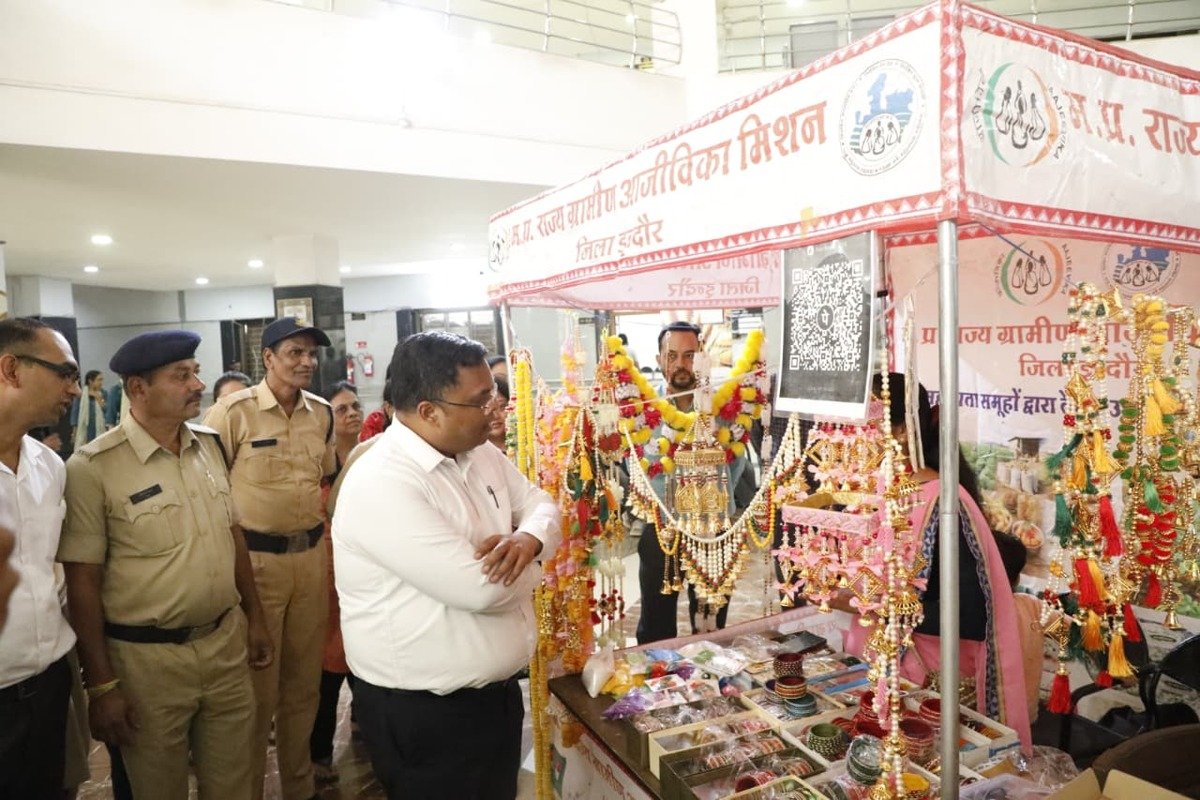
The message of adopting swadeshi came out most prominently in the meeting. The Chief Minister appealed to ministers and people to give priority to swadeshi goods in Diwali shopping. The government says when people buy goods made in the country, the benefit goes directly to local artisans, small traders and industries. This strengthens the economy of the state and the country. The emphasis on Make in India also means production in the state should increase and employment opportunities for young people should grow. The government believes the swadeshi appeal is not merely a slogan but a concrete step towards economic self-reliance. At a festival like Diwali, when shopping increases, a rise in demand for swadeshi goods directly benefits the local market. The meeting also discussed the progress of free property registration for villagers under the Prime Minister Swamitva Yojana. About 15 lakh registrations have been completed so far. The government has set a target of completing 20 lakh registrations by 15 November. About 60 lakh people are expected to benefit from the scheme. The Chief Minister directed ministers that in villages where 100 per cent of registrations are complete, Diwali should be celebrated on Dhanteras.
Birsa Munda Jayanti and satellite towns
The meeting decided to celebrate the birth anniversary of tribal icon Birsa Munda on 15 November grandly across the state. Big programmes will be organised at three places in the state for this. An important meeting on preparations will be held at the Chief Minister’s residence on 5 November. Birsa Munda Jayanti is observed as a symbol of tribal pride, and the state has a large tribal population, which is why the government is giving special importance to this event. Another big decision connected with urban development also emerged from the meeting. Fifteen new satellite towns will be developed in the state. The Chief Minister had also mentioned this at an urban development programme in Indore. The government’s aim is to reduce the growing pressure on cities and to develop better urban facilities in nearby areas. With satellite towns, planned settlements will develop around big cities, where roads, water, electricity and other facilities will be available as per a pre-decided plan. The idea of satellite towns is important because the population of the state’s big cities is growing fast. This increases pressure on housing, transport and basic facilities. The development of new planned towns will reduce this pressure and will give people the option of living near cities with better facilities.
Next Cabinet at Gandhisagar, and what lies ahead
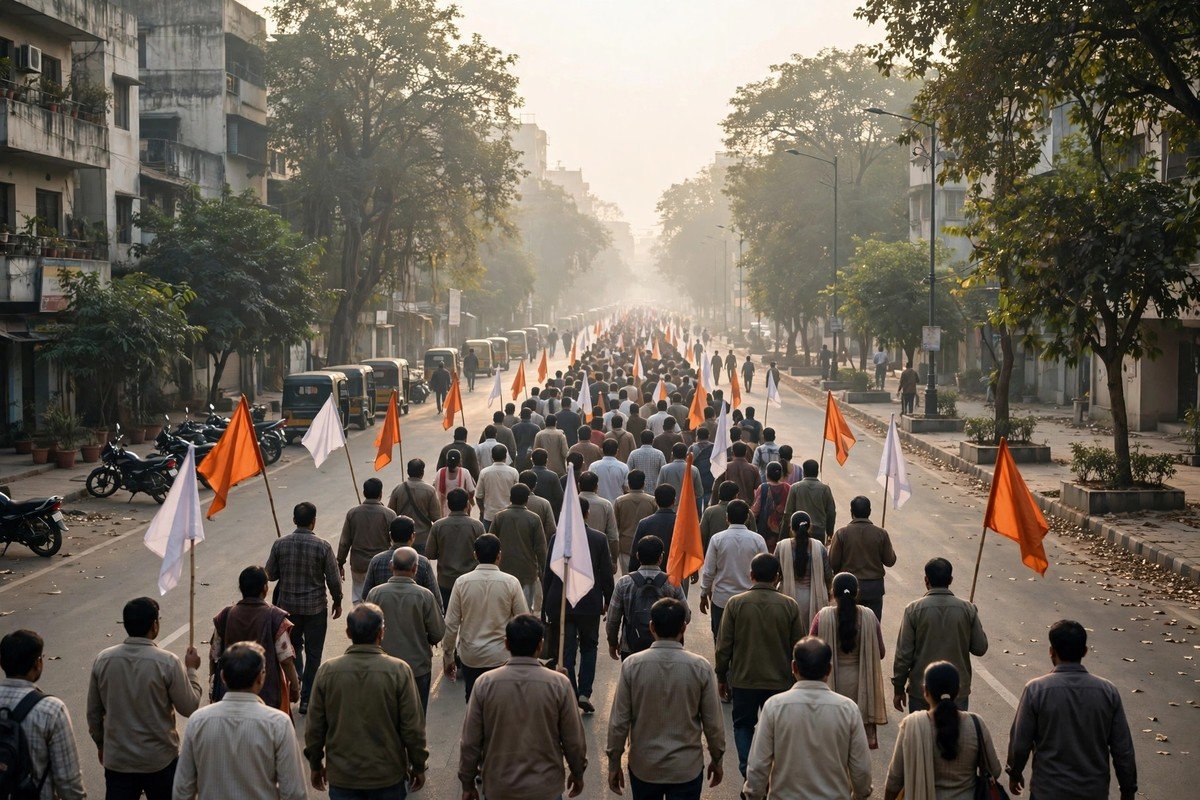
The meeting also decided that the next Cabinet meeting is proposed at Gandhisagar on 18 November. It will be a destination Cabinet. Earlier, Cabinet meetings have been held at Rajbada and at Jagdishpur near Bhopal. A destination Cabinet means the meeting of the council of ministers is held at a particular place, so that issues connected with the development of that region can be discussed directly. The meeting at Gandhisagar will focus specially on issues connected with agricultural and industrial development, keeping in mind Kisan Kalyan Varsh and Udyog Varsh. The government has said the year 2026 is being observed as a farmers’ year, and special work has been done throughout the year to solve farmers’ problems. The Gandhisagar region is considered important from the point of view of agriculture and irrigation, which is why holding the meeting there is being seen as a signal in this direction. The meeting also mentioned a rally to be held in Bhopal. It was stated that Defence Minister Rajnath Singh will attend the rally in Bhopal. Chief Minister Dr Mohan Yadav and state president Hemant Khandelwal will also be present. People from across the state and women will participate in the rally. On this occasion too, people were appealed to adopt swadeshi goods. Overall, the Cabinet meeting of 3 November took decisions together on the continuity of development works, relief for farmers, expansion of health facilities, urban development and the message of swadeshi. Attention will now be on how fast these decisions are implemented on the ground, and which new proposals get approval at the meeting in Gandhisagar on 18 November.
Disclaimer: This news has been prepared on the basis of available sources and verification. If any fact is found incorrect, a correction will be published.