



Indore Bureau
Summary: During the Rashtriya Swayamsevak Sangh’s Akhil Bharatiya Karyakari Mandal meeting in Indore, Sarkaryavah Dattatreya Hosbale issued a statement on the occasion of the bicentenary of Rajnarayan Basu, pioneer of national consciousness, paying him respectful homage and noting that his ideas remain as relevant today as ever.
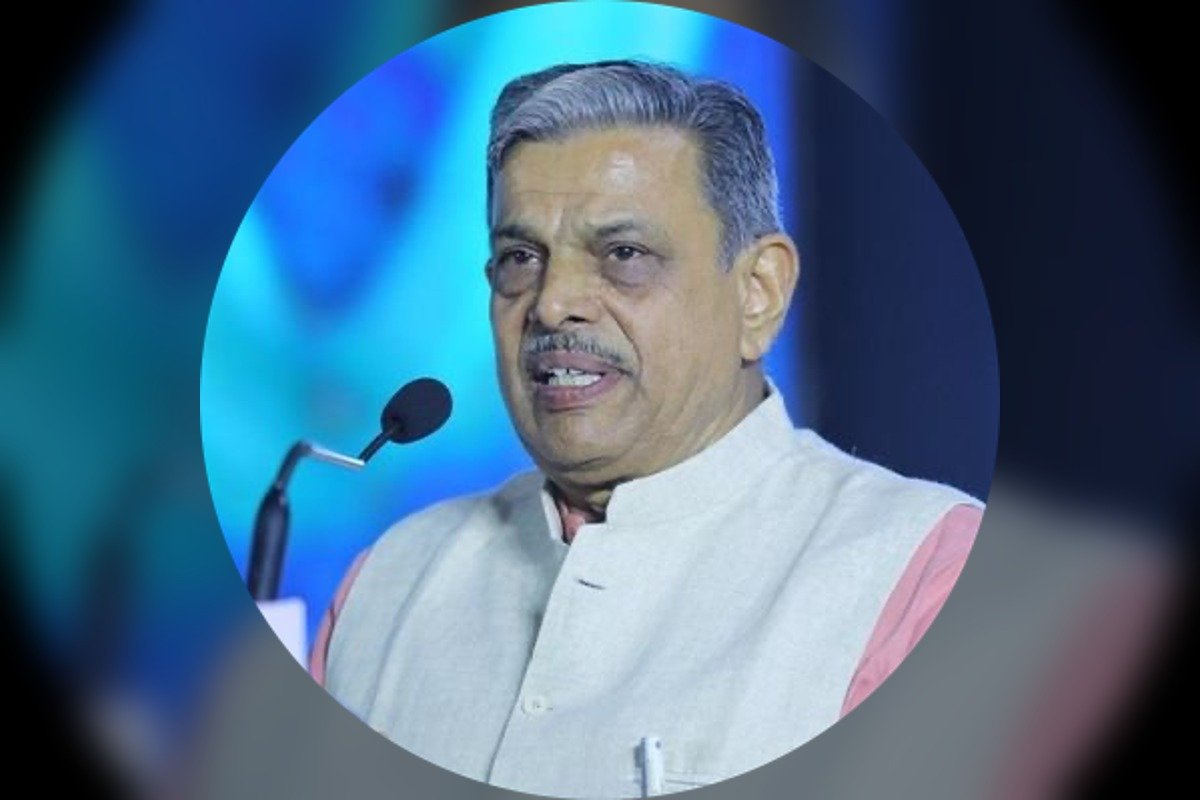
The Akhil Bharatiya Karyakari Mandal of the Rashtriya Swayamsevak Sangh is meeting in Indore from 2 to 4 November. During the meeting, Sarkaryavah Dattatreya Hosbale issued a statement in the light of the bicentenary year of the birth of Rajnarayan Basu. The statement remembers Basu as a pioneer of national consciousness, a great patriot, a social reformer and a visionary personality.
What the statement says
The statement says that Bharat’s struggle for independence is a glorious chapter in the history of the nation. Just as the British assault was comprehensive in its reach, so too was the resistance in its scope and spirit. The British invasion had alienated the educated society from its civilisational roots, leaving it afflicted by cultural amnesia and bereft of a sense of self-respect and national pride. At such a critical juncture, several great personalities made remarkable efforts to awaken national consciousness and articulate a clear vision of the nation’s identity, and among them Rajnarayan Basu occupies a place of distinction.
According to the statement, Basu worked tirelessly to awaken national consciousness among the educated classes and to instil in them a sense of self-pride and self-confidence. He believed that the upliftment of any nation was impossible without these essential qualities. The statement closes with the sentiment that the nation shall remain eternally grateful to him.
Who was Rajnarayan Basu
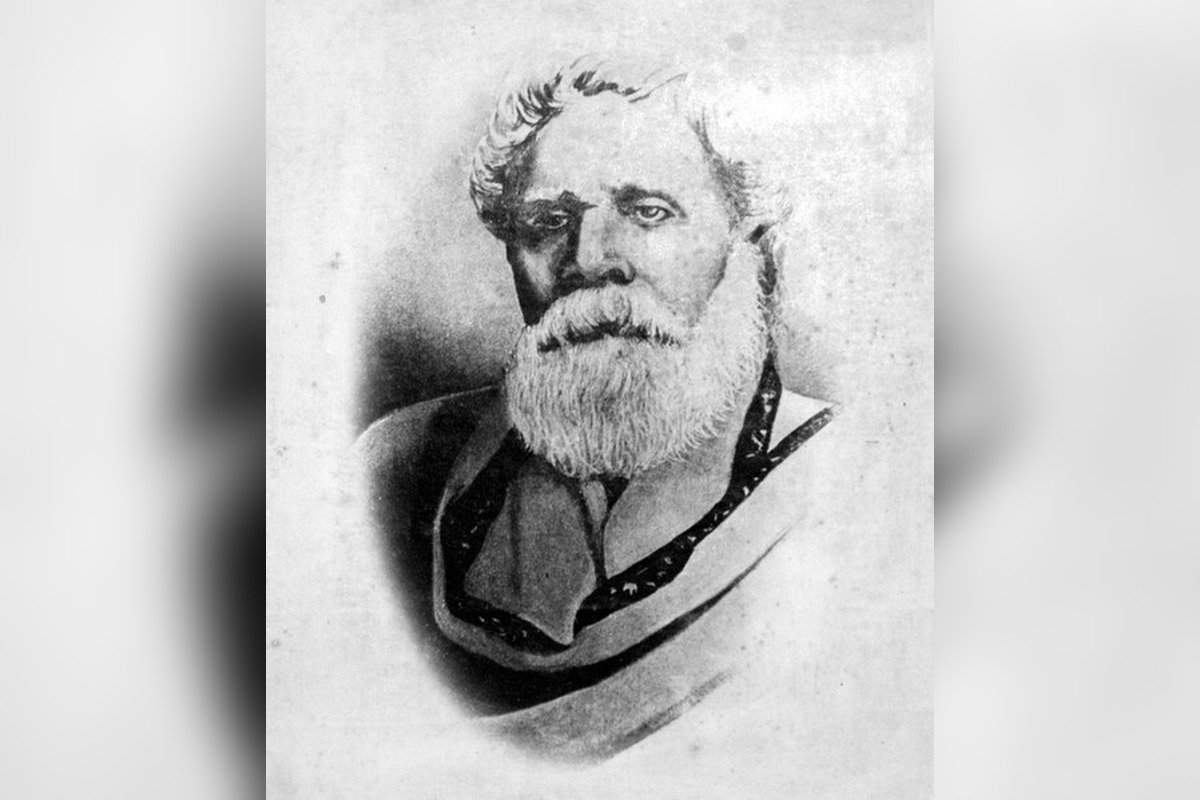
Rajnarayan Basu was born on 7 December 1826 in the village of Boral, in the South 24 Parganas district of Bengal. His bicentenary is being commemorated this year. After completing his education, he took up teaching at Sanskrit School and devoted his life to social reform.
His efforts in the field of social reform were particularly notable. He made sustained efforts towards the upliftment of the poor, the eradication of intoxicant use, the spread of education among women, and the promotion of widow remarriage. In this regard, he set an exemplary precedent before society by arranging the marriage of his brother to a widow. At a time when deep prejudices surrounded widow remarriage, this step was seen as a courageous and inspiring initiative.
National feeling and the Hindu Mela
To realise his objectives, Basu prepared a draft titled ‘Prospectus of a Society for Promotion of National Feeling’. As a result of his sustained efforts, the Hindu Mela, initiated by Nabagopal Mitra in 1867, emerged as an important platform for nurturing and fostering national consciousness.
Rajnarayan Basu strongly advocated the use of indigenous goods and promoted the spirit of Swadeshi through the Hindu Mela. This advocacy of Swadeshi was not limited to the use of goods alone; it was connected with the sentiment of self-pride and self-reliance. The Hindu Mela became a public and cultural platform for national sentiment in that era, giving strength to ideas of Swadeshi, education and social awareness.
Mother tongue, Hindu Dharma and the Maha Hindu Samiti
Basu consistently emphasised the importance of using the mother tongue, believing that it was a vital foundation of self-respect and national consciousness. He regarded Hindu Dharma as the basis of Bharat’s cultural and national unity.
In 1873, he authored ‘The Superiority of Hinduism’, a work in which he articulated the philosophical strength and distinctive features of Hindu culture. Widely acclaimed as the grandfather of Bharat’s national consciousness, Rajnarayan Basu envisioned the Maha Hindu Samiti as a fundamental instrument of cultural and national awakening. He outlined this idea in his celebrated pamphlet ‘Vriddha Hindur Asha’ (The Old Hindu’s Hope), published in the 1880s.
Influence on Aurobindo and the leaders of the renaissance
Rajnarayan Basu was the maternal grandfather of Maharishi Sri Aurobindo. His ideas and nationalist vision profoundly influenced the young Aurobindo. In this way, Basu’s nationalist outlook is also reflected in the making of a great thinker and freedom fighter of the next generation.
Many luminaries of Bharat’s national renaissance and freedom movement, including Rabindranath Tagore, Swami Vivekananda and Sister Nivedita, held him in high esteem and drew inspiration from his life and ideas. This shows the wide influence of Basu’s personality and thought, with many leading figures of his own time and of later generations drawing inspiration from him.
Relevance today and the backdrop of the meeting
The statement places special emphasis on the point that the ideas and philosophy propounded by Rajnarayan Basu remain as relevant today as ever. They remind us of the enduring importance of self-pride, rootedness in our cultural heritage, and national unity. The message that no nation can rise without self-pride and self-confidence remained the central thread of Basu’s life and work.
The Akhil Bharatiya Karyakari Mandal meeting in Indore is counted among the Sangh’s highest policy-making meetings, where the centenary year is being reviewed and the future course of work is being discussed. The statement on Rajnarayan Basu has been issued as part of the series of statements on great personalities being released during this meeting. On the occasion of the 200th birth anniversary of the pioneer of national consciousness, his contribution has been respectfully recalled through this statement.
Disclaimer: This news has been prepared on the basis of available sources and verification. In case of any factual error, a correction will be published.