


Desk Report
Summary: The Madhya Pradesh Public Service Commission’s Assistant District Prosecution Officer examination was held on Sunday, 1 November, in a single shift across four cities of the state. Around 33,000 candidates appeared for 107 posts, with biometric identification, CCTV surveillance and metal-detector checks in place at the examination centres.
The Madhya Pradesh Public Service Commission (MPPSC) conducted the Assistant District Prosecution Officer (ADPO) recruitment examination 2026 on Sunday. The examination was held in a single shift across 83 centres set up in four major cities of the state — Indore, Bhopal, Gwalior and Jabalpur. A total of 107 posts are to be filled through this recruitment, for which around 33,000 candidates had applied. The Commission had put in place a three-level security and identity-verification system to keep the examination transparent and free of malpractice.
Single shift from noon to 3 pm
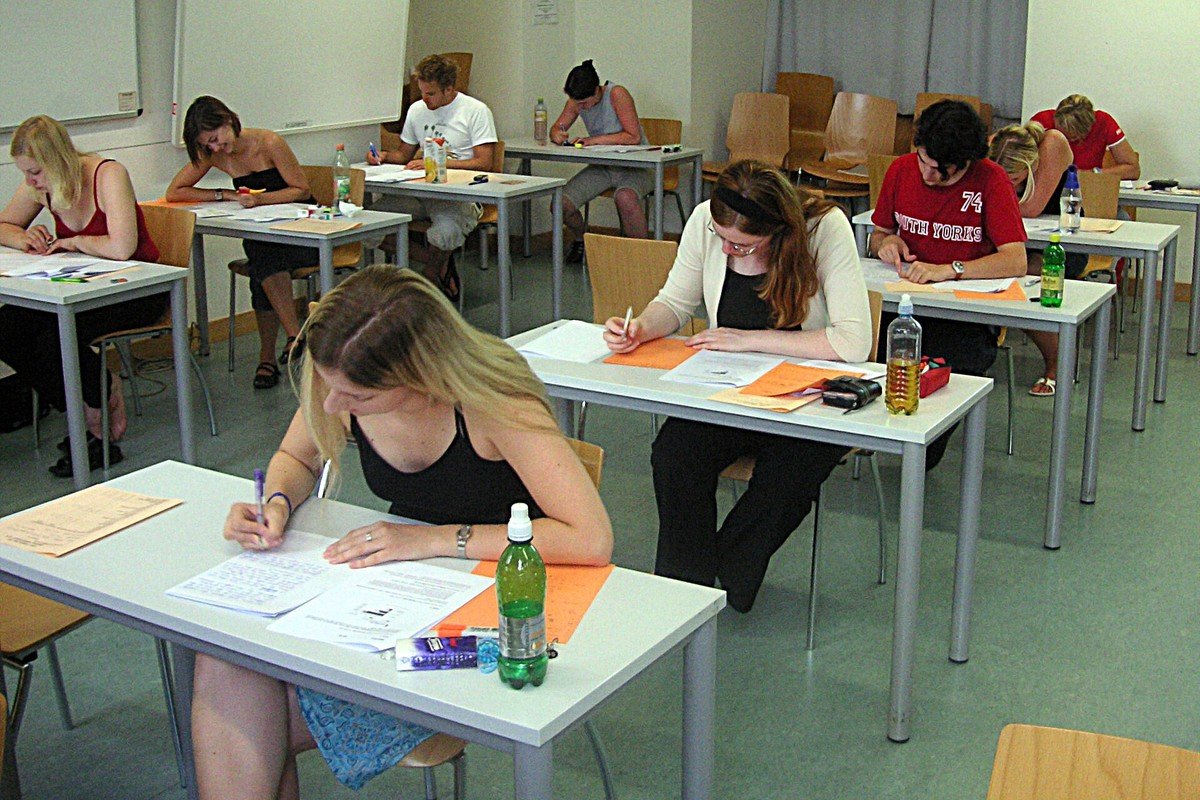
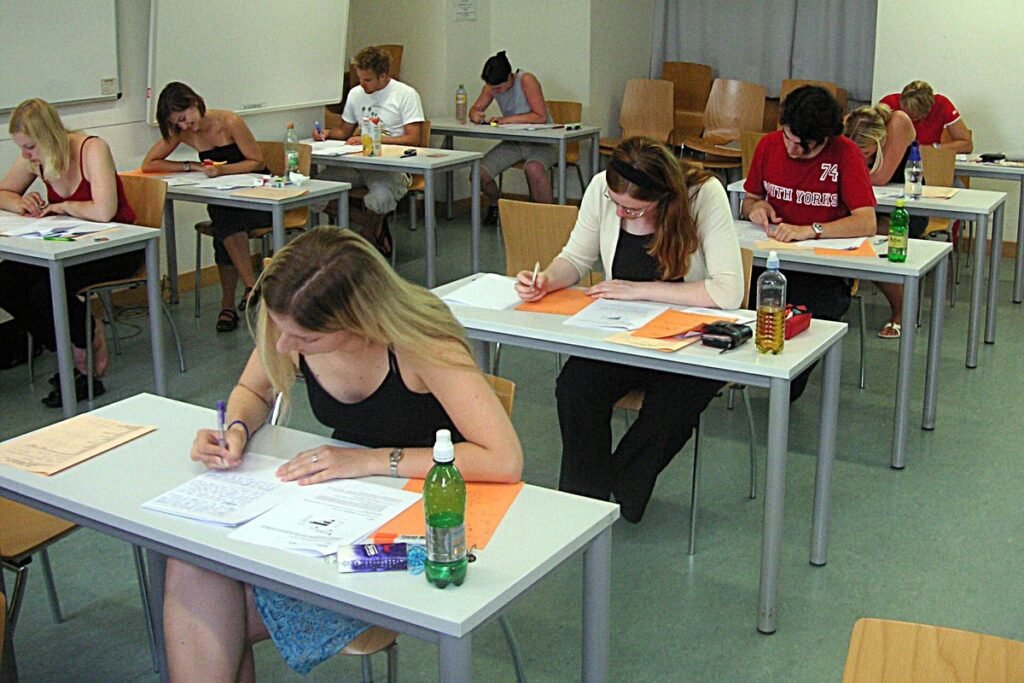
The ADPO examination was held from 12 noon to 3 pm in a single shift. Candidates had been instructed to reach their centres 90 minutes before the scheduled start time, so that the verification process at entry could be completed without haste. The examination was conducted offline on OMR sheets. Inside the centres, candidates were allowed to carry only a ballpoint pen, a transparent water bottle, the e-admit card and an identity document. The list of permitted and prohibited items was also displayed near the entrance of the centres.
Negative marking applied in the examination, so candidates had to answer with special care. Marks were to be deducted for wrong answers, and candidates had been advised in advance to avoid answering on guesswork. Observers were also deployed at the centres to keep watch over the entire process.
83 centres in four cities, Indore had the most with 39
A total of 83 centres were set up across the four cities for the examination. Indore had the highest number of centres at 39, where around 15,924 candidates were reported to be appearing. Centres in Indore were set up in major educational institutions, including GSITS, Holkar College, Atal Bihari Vajpayee Government Arts and Commerce College, Malav Kanya Mahavidyalaya and Kila Maidan, among others.
Bhopal had 19 centres, while Gwalior had 11 and Jabalpur 14 centres. The spread of centres itself shows that the examination covered all four major divisional cities of the state. With such a large number of candidates appearing on a single day, crowd management and the verification system at the centres were given special importance.
Around 7,000 candidates at 19 centres in Bhopal
In the state capital Bhopal, 19 centres were set up for the examination, including 15 government and 4 private schools and colleges. Around 7,000 candidates were reported to be appearing from Bhopal. Centres in the city included Subhash Excellent School, Government Higher Secondary School Arera College, Raja Bhoj School and BHEL College, among other schools and colleges.
The same three-level verification system applied at the Bhopal centres as in the other cities of the state. Candidates’ identities were verified through the biometric system, and entry to the examination hall was allowed only after scanning of the admit card. CCTV cameras were also installed at the centres for surveillance, so that any irregularity during the examination could be watched immediately.
Three-level checks: biometric, CCTV and metal detectors
The most notable feature of this examination was the three-level security arrangement. At the time of entry, candidates underwent thorough checking. Identity was confirmed through the biometric system, admit cards were scanned, and frisking was done with hand-held metal detectors. All centres were also kept under CCTV surveillance.
The responsibility for running the complete checking process was given to an agency engaged by the Commission. Observers were also appointed at the centres to ensure that the examination was conducted fairly. Keeping the process transparent was the Commission’s biggest responsibility, since roughly 280 to 300 candidates were competing for each post. In such intense competition, maintaining fairness was essential.
Question paper pattern: 50 questions on Madhya Pradesh general knowledge
The question paper included 50 questions related to the general knowledge of Madhya Pradesh, according to reports. This section was meant to test the candidates’ knowledge of the state. Questions related to law also formed an important part of the paper. The post of ADPO is connected with the district prosecution system, so candidates were expected to have both legal knowledge and general awareness of the state.
The examination was important for the aspirants because the post is directly linked to the judicial process and the prosecution system. The job of a District Prosecution Officer involves conducting prosecution on behalf of the state in courts. That is why the selection process includes an interview stage after the written examination.
Examination postponed from 18 October to 1 November
The examination was originally proposed for 18 October, but the Commission had to change the date due to a shortage of examination centres. According to Commission officials, the number of candidates was high and the available centres were fewer than required. Arranging additional centres took time, which is why the examination was rescheduled to 1 November.
Along with the change of date, there was also a major change in the number of posts. Initially, only 17 posts were advertised for this recruitment, but after demands from aspirants, the Commission increased the vacancies to 107. The advertisement was issued on 10 March 2026, and a corrigendum issued on 7 September announced 1 November as the new examination date. Admit cards were made available for download in the third week of October.
High Court rejected plea to change the date
The new examination date was also challenged before the Madhya Pradesh High Court by some aspirants. The petitioners argued that the Specialist Officer (Law Officer) main examination of the banking sector was also scheduled on 1 November, creating confusion for candidates wanting to appear in both examinations. The petition sought directions to change the examination date and a stay on the issue of admit cards.
However, the court found no sufficient ground to intervene and dismissed the petition. After that, the examination was held on 1 November as per the scheduled programme. The Commission had submitted before the court that the examination arrangements were complete and changing the date was not possible. After the dismissal of the petition, candidates had to appear as per the fixed schedule.
What next: result and interview process
With the written examination now over, candidates will be looking towards the result. As per the Commission’s process, candidates successful in the written examination will be called for interview. The final selection will be based on the written examination and the interview. The Commission has been emphasising completing the results and interview process of the remaining examinations of the year at a fast pace.
Candidates of the ADPO examination are advised to keep an eye on the official website of the Commission for information related to the result and the further process. All official information regarding admit cards, results and interviews is released only on the Commission’s website, and information from unauthorised sources should not be relied upon.
With this examination, one more major recruitment examination of the state has completed its written stage. Conducted amid a large turnout and a three-level security system, the examination is being seen as another step towards transparency in the state’s recruitment examinations.
Disclaimer: This news has been prepared on the basis of available sources and verification. In case of any factual error, a correction will be published.