










New Delhi Bureau
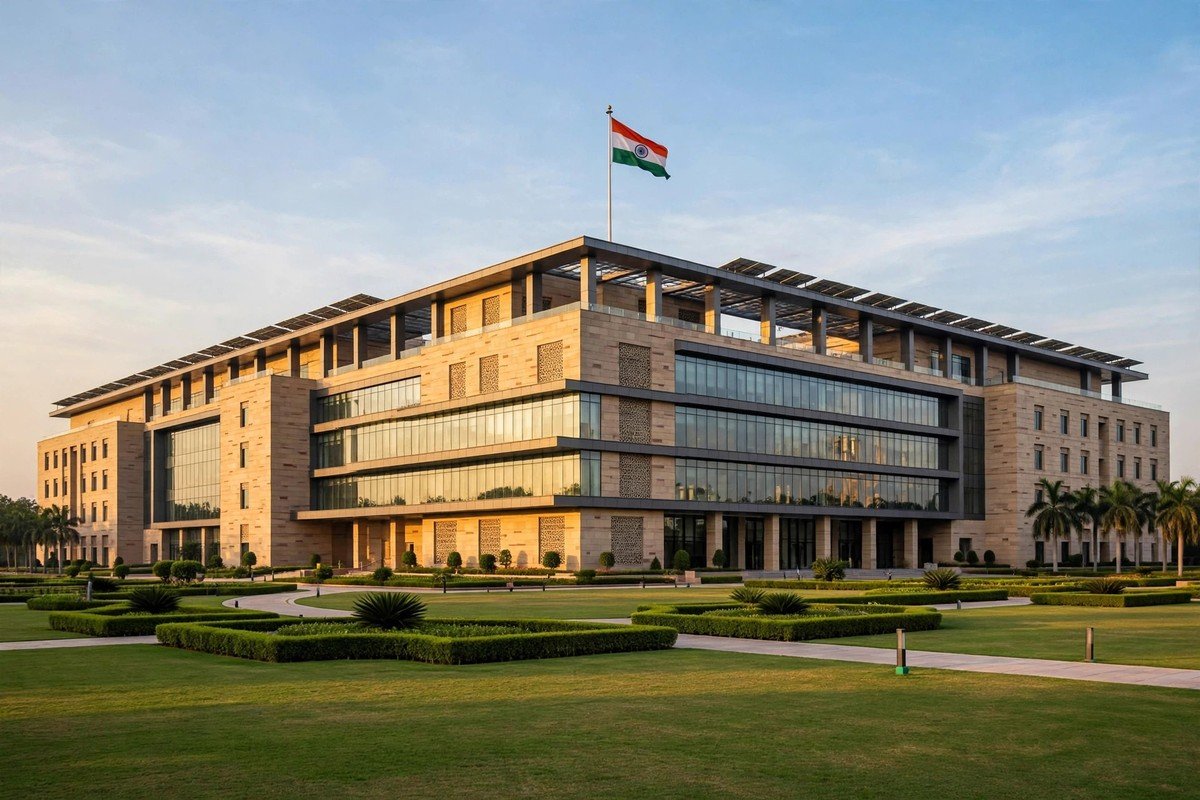
The Centre has proposed expanding the network of authorised entry points for drug imports in India. Under a draft amendment to the drug rules, 8 inland container depots, one special economic zone and one international airport would be added to the list. The aim is to simplify import procedures, cut inland transport distances and strengthen the timely availability of healthcare products. The proposal is at the draft stage; it is not yet a final rule.
What has been proposed
The Union Ministry of Health and Family Welfare has issued a draft amendment to Rule 43A of the Drugs Rules, 1945. The draft proposes expanding the list of authorised entry points for the import of drugs, medical devices and cosmetics into India. In all, 10 new locations would join the network: 8 inland container depots (ICDs), one special economic zone (SEZ) and one international airport.
The proposal came on 3 November 2026. According to the ministry, the expansion would streamline import clearances, improve logistics efficiency and support the movement of healthcare products across different parts of the country. The move is also described as part of efforts to strengthen import infrastructure, promote ease of doing business and improve the efficiency of the healthcare supply chain.
It is important to be clear about the status of this move. It is a draft amendment, not a final order. The ministry has invited objections and suggestions from stakeholders. The amendment will be taken forward only after those are considered. The new locations will become authorised gateways only when the rule-making process is complete and the amendment is finally notified.
The 10 locations on the proposed list
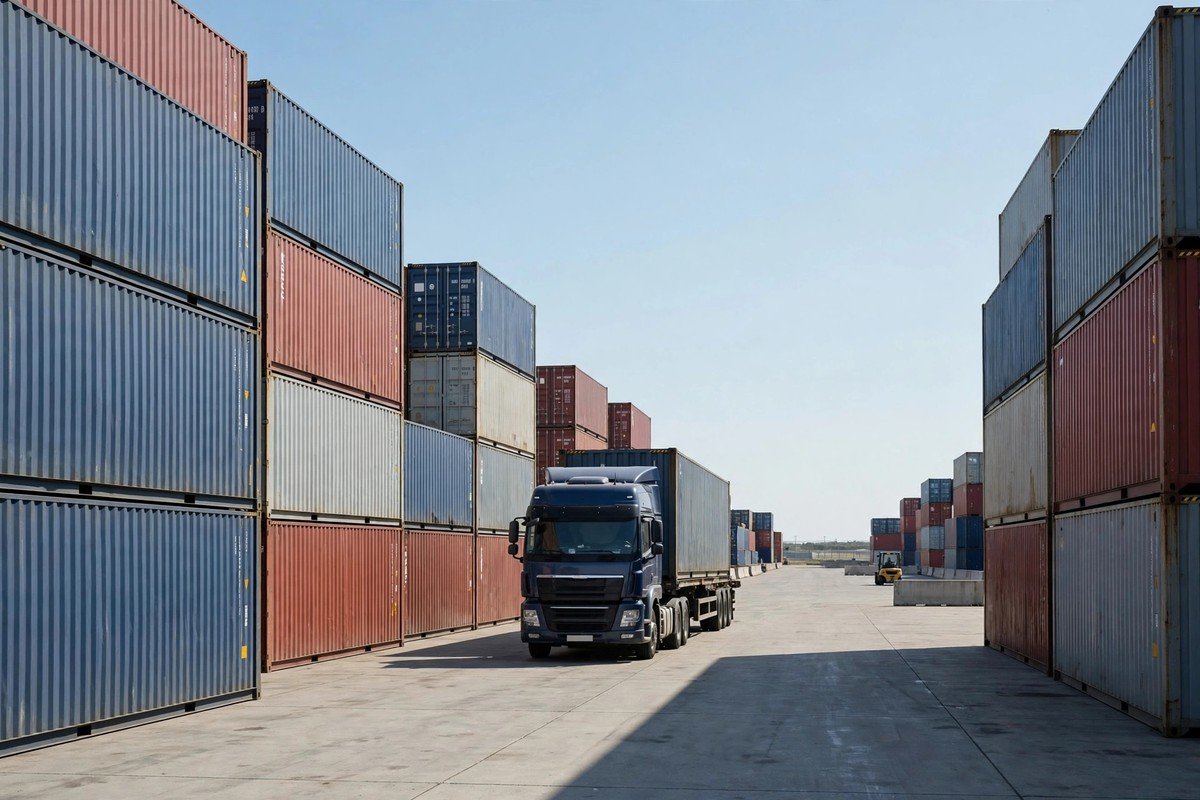
Three of the proposed inland container depots are in Haryana: Sonipat, Piyala and Harsaru. Uttar Pradesh contributes the Dadri depot. From Gujarat, the Gandhidham/Mundra depot is on the list. Telangana contributes two depots in Hyderabad, Sanath Nagar and Thimmapur. Karnataka contributes the Whitefield depot in Bengaluru.
In addition, the Bommasandra SEZ in Karnataka is proposed for inclusion. Noida International Airport in Uttar Pradesh is proposed as an additional entry point for the import of drugs by air. Together, these 10 locations span five states: Haryana, Uttar Pradesh, Gujarat, Telangana and Karnataka.
The selection follows a simple logic. Importers should be able to clear consignments close to their manufacturing facilities, warehouses and distribution centres. When clearance points are nearer to where goods are stored and distributed, inland journeys become shorter and the whole chain moves faster.
What Rule 43A is and why it matters
Rule 43A of the Drugs Rules, 1945 lays down the places through which drugs may be imported into India. The rule lists ports, airports, railway stations, road crossings and other designated entry points. An importer cannot clear a consignment at a location of its own choosing. The shipment must enter through an authorised point and meet regulatory and customs requirements there.
This system serves two purposes. First, it allows authorities to monitor imported products, verify documentation and ensure that consignments comply with India’s drug import regulations. Second, it keeps the supply chain organised and transparent, so that the movement of drugs, medical devices and cosmetics can be tracked through recognised channels.
When the number of authorised gateways is small, importers may have to carry consignments over long inland distances after they arrive in the country. That adds to transport costs and to time. More gateways give importers flexibility in choosing routes, and that flexibility can reduce both distance and delay.
The Indore connection
For readers in Madhya Pradesh, the proposal carries a direct local reference. The existing network of authorised import gateways already includes ICDs at Dhannad and Tihi in Indore, along with previously notified airports. The proposed expansion would supplement this existing network; it does not replace it.
It should be stated plainly that no new location in Indore has been added in this proposal. Dhannad and Tihi are already part of the network, and they are mentioned in the proposal as part of the existing system. Even so, a denser national network can bring indirect benefits to trade and distribution linked to Madhya Pradesh, because consignments will have more routing options across the country.
Indore is a major commercial and industrial centre, where distribution, storage and transport of medicines and medical products take place on a large scale. When clearance options increase in different parts of the country, businesses connected with the supply chain gain more choice in planning routes. That can help in managing time and logistics costs, even when the new gateways themselves are in other states.
What importers and the supply chain stand to gain
According to the ministry, the main gain for importers will be the ability to clear consignments closer to their facilities. That could reduce inland transportation requirements, optimise logistics costs and minimise delays in the movement of imported consignments. For a supply chain that handles time-sensitive goods, shorter and more predictable journeys matter a great deal.
Storage, temperature control and onward distribution all depend on timely clearance. When the clearance point is near the warehouse or distribution centre, these arrangements become easier to manage. The time taken for goods to reach their destinations can also come down.
From the ease-of-doing-business angle, more gateways mean more choice. If pressure builds at one location, importers can use alternatives. That spreads the load across the network and makes operations more convenient for businesses handling medicines, medical devices and cosmetics.
What it means for patients — and what it does not
For ordinary people, the benefit of this proposal is indirect but real. A more efficient supply chain can support the timely availability of healthcare products. When clearance and movement become smoother, drugs, medical devices and cosmetics can reach different regions with fewer hold-ups.
There is, however, a clear limit to what this proposal promises. It does not guarantee lower medicine prices, and it does not mean that every product will become cheaper or more widely available. Drug prices depend on several factors, including sourcing, regulation, distribution and pricing. Savings in logistics may help, but they do not by themselves decide the price a patient pays.
Nor is the change in force yet. Until objections and suggestions are considered and the rule-making process is completed, the new locations will not function as authorised gateways. Readers should therefore treat this as a proposed future arrangement, not as a change that applies from today.
News about relief in drug prices has appeared from time to time, but each such matter follows its own process and its own rules. Expanding import gateways is a structural reform. Its effect will show gradually, at the level of the system, rather than as an immediate change at the chemist’s counter.
How to send objections and suggestions
The ministry has invited objections and suggestions on the draft amendment. Stakeholders who wish to respond can write to the Under Secretary (Drugs Regulation), Ministry of Health and Family Welfare, Government of India, at Kartavya Bhawan-1, New Delhi. Suggestions can also be sent by email to drugsdiv-mohfw@gov.in. The draft notification is available on the Official Gazette website, where its full text can be read.
Those responding will find it useful to mention the specific location, rule and practical aspect they are commenting on. That helps the ministry understand the ground-level effect of the proposal and identify points where more clarity may be needed. The purpose of the draft stage is precisely this: to hear all concerned sides before a final rule is made.
What happens next
The next step is consideration of the objections and suggestions received. After examining them, the ministry will move the amendment towards its final form. This stage will also involve looking at how clearance, inspection and monitoring arrangements would work at the proposed locations.
If the amendment is finally notified, clearance of drugs, medical devices and cosmetics will begin at the new locations, widening the country’s import network and supporting distribution in more regions. Until then, importers must continue to work through the existing authorised gateways.
The date from which the new locations would start functioning will be settled only when the final notification is issued. It would therefore be premature to treat any of the proposed locations as operational today.
Structural changes of this kind in the healthcare supply system show their value over time. A wider gateway network, stronger inspection arrangements and a more robust distribution system together support better availability of medicines and medical devices across the country. Attention will now be on the form in which the final rule appears.
Disclaimer: This story has been prepared on the basis of available sources and verification. If any fact is found incorrect, a correction will be published.