




Delhi Bureau
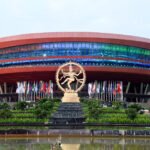
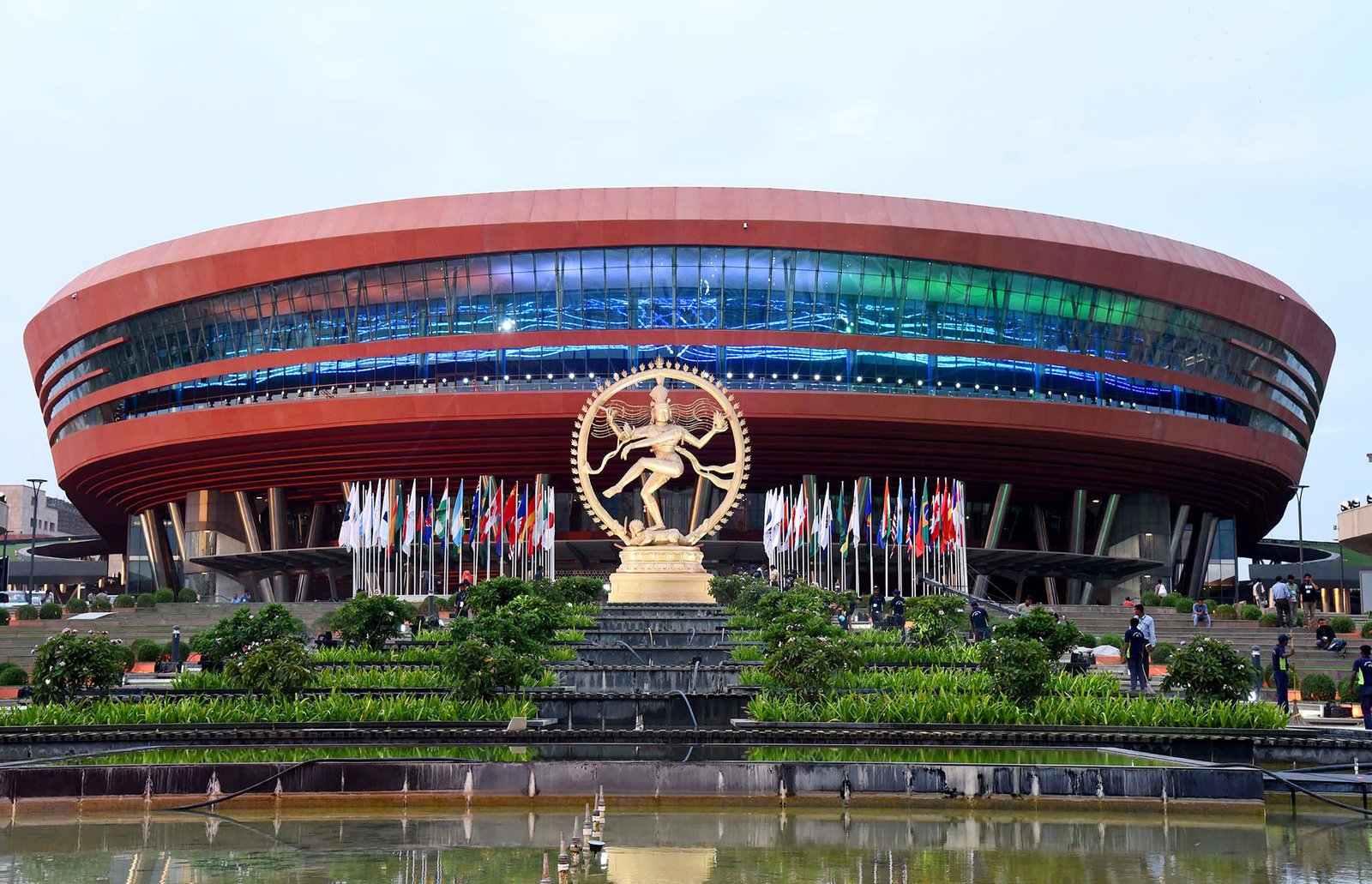
Prime Minister Narendra Modi will inaugurate the Emerging Science, Technology and Innovation Conclave (ESTIC) 2026 at Bharat Mandapam in New Delhi on Tuesday, 27 October 2026. The inauguration ceremony will take place at 5:30 in the evening, and the Prime Minister will also address the gathering on the occasion. The three-day conclave will run from 27 to 29 October, bringing together leading scientists, researchers, academicians, policymakers, industry leaders, startups and international experts on a single platform.
What is ESTIC 2026
ESTIC is an initiative to bring the different components of India’s science and technology ecosystem onto a common platform. Instead of fragmented events through the year, it puts science, research, industry and policy stakeholders in one room to set the country’s science and technology priorities. The theme of this year’s conclave is “Creative Minds, Catalyzing Science, Empowering Technologies”. The message of the theme is straightforward: without imagination and creativity, scientific innovation cannot move forward, and innovation has real value only when it travels from the laboratory to society.
Twelve thematic areas up for discussion
Deliberations at the conclave will span 12 thematic areas, including artificial intelligence, biotechnology, advanced materials, manufacturing, healthcare, energy, climate and ocean sciences. The discussions will centre on three questions: what should the country’s research priorities be, how should national capabilities be strengthened, and how can scientific advances be turned into practical applications. In other words, the conclave will not stop at research papers; it will also look at how the benefits of research reach the common citizen, the farmer, the student, the entrepreneur and industry.
Exhibition to showcase indigenous science
Alongside the conclave, a large technology and innovation exhibition will showcase indigenous scientific achievements and emerging technologies. It will include around 150 deep-tech startup stalls, where young innovators will demonstrate their technologies and their potential applications across sectors. Thematic videos, technology demonstrations, documentaries, information kiosks and augmented and virtual reality experiences will be used to make science engaging and accessible to a wider audience.
A special space showcase
The Indian Space Research Organisation will also showcase emerging technologies at the conclave. According to reports, the space agency will display a model of a proposed next-generation heavy-lift launch vehicle, along with details of the Chandrayaan-4 and Chandrayaan-5 projects. The space presentation matters because India’s space programme has drawn global attention in recent years, and all eyes are now on preparations for the next generation of missions.
Global Connect: bridging lab and market
A new initiative at this year’s conclave is the Global Connect Networking Event, which will bring together more than 300 invited participants from academia, research institutions and industry in India and abroad. The platform aims to explore international research partnerships, strengthen industry-academia collaboration, and find pathways for taking innovations from laboratories to markets. Good research often stalls because it does not find the right industry partner, investment or market — Global Connect is an attempt to bridge exactly that gap.
Second edition, building on the first
ESTIC 2026 is the second edition of the conclave. The first edition was held at Bharat Mandapam in November 2025, with 11 thematic areas. The second edition expands to 12 thematic areas and adds the new Global Connect platform. The conclave was formally announced at a curtain-raiser event in September 2026, where Minister of State (Independent Charge) for Science and Technology and Earth Sciences Jitendra Singh said ESTIC had been conceived to bring the scattered components of India’s science ecosystem onto one platform. The edition will feature three Nobel laureates — Professor Joachim Frank, Sir Richard J. Roberts and Professor Kostya Novoselov — along with several internationally acclaimed scientists and technology leaders.
The startup story at the centre
The conclave will also put India’s startup story in focus. At the curtain-raiser, it was noted that the country had around 350 to 400 startups in 2014, while the number has now crossed 2.3 lakh, making India the world’s third-largest startup ecosystem. The presence of deep-tech startups signals that Indian innovation is no longer limited to apps and services, but is stepping into deep technology, advanced materials, biotechnology and space. The conclave also stresses integrating management and communication expertise into the science ecosystem, so that innovators get help with market strategies and with taking their achievements to young people.
What next: from research to society
The real test of ESTIC 2026 will come after it ends — how many research partnerships were formed, how many startups found industry partners, and how many technologies travelled from laboratories to markets and society. The Prime Minister’s inauguration will set the direction for the country’s science agenda, but the conclave’s success will depend on whether three days of discussion convert into concrete collaboration and investment. With science, industry and policy sharing one platform, there is at least a reasonable hope that India’s scientific capability will now advance as an organised force rather than in scattered pieces.
Disclaimer: This report has been prepared on the basis of available sources and verification. If any fact is found to be incorrect, a correction will be published.