








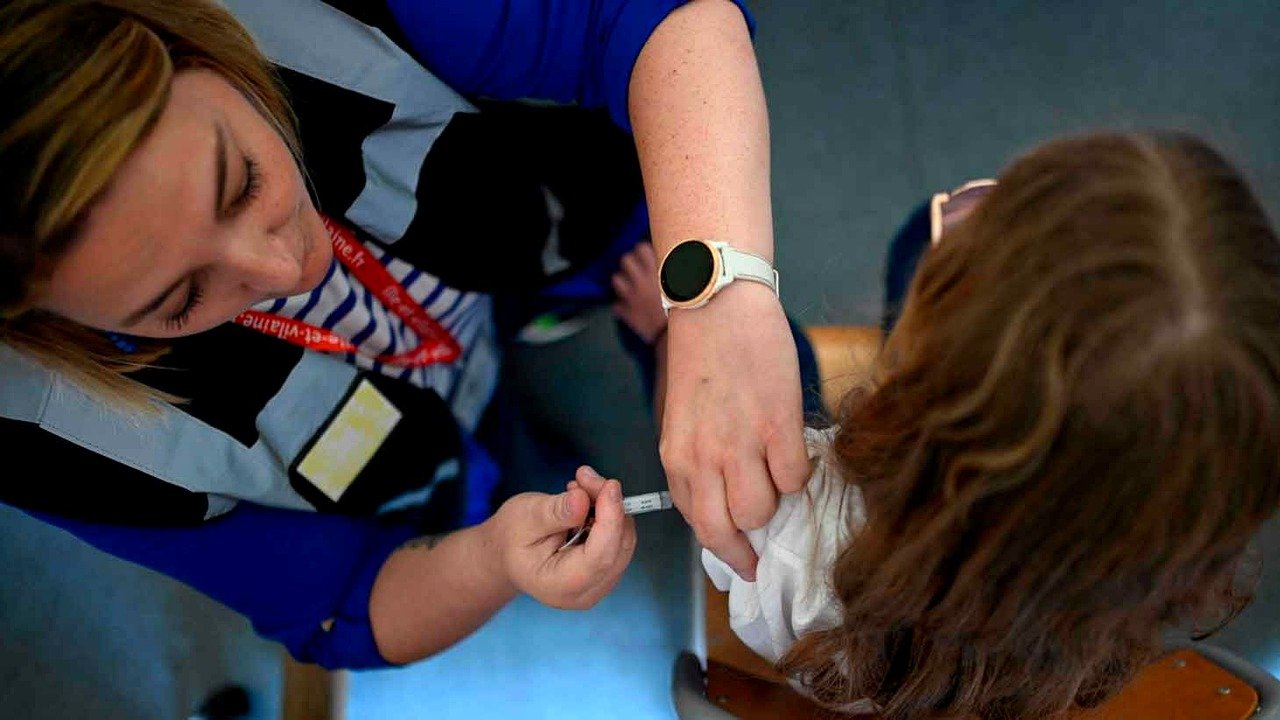
Pune Bureau. India’s first indigenously developed HPV vaccine, ‘Cervavac’, has received a major global recognition. The World Health Organization (WHO) has granted prequalification to the vaccine developed by Pune-based Serum Institute of India (SII). With this decision, United Nations agencies can now procure Cervavac for use in immunisation programmes across the world.

For the Serum Institute, this is another significant milestone — it is the 32nd WHO prequalification for the company’s biological products. Several of the company’s vaccines have already been part of the WHO list. According to ANI, the achievement was announced on Monday.
Which diseases will it protect against?
Cervavac is a recombinant quadrivalent HPV vaccine that targets HPV types 6, 11, 16 and 18. It is indicated for girls and boys aged 9 to 26. In girls and women, it protects against cervical, vulvar, vaginal and anal cancers caused by HPV types 16 and 18, and genital warts caused by types 6 and 11. In boys and men, it offers protection against anal cancer and genital warts.
The story of an indigenous development
The vaccine has already received approval from India’s Drugs Controller General of India (DCGI). It was developed with the support of the Department of Biotechnology (DBT) and the Biotechnology Industry Research Assistance Council (BIRAC), with contributions from the WHO’s International Agency for Research on Cancer (IARC) and the Gates Foundation.
Serum Institute CEO Adar Poonawalla said, “Receiving WHO prequalification for Cervavac is a significant step towards strengthening the global fight against HPV. This achievement reflects the vaccine’s effectiveness and creates an opportunity for countries to protect against HPV-related risks. We are delighted that this indigenous vaccine has reached this milestone, and we are ready to contribute to expanding immunisation coverage and advancing global health.”
Being on the WHO list means UN agencies can now procure Cervavac, making its use possible in immunisation programmes worldwide. Experts believe the recognition will accelerate vaccination campaigns against cervical cancer in developing countries.
Source: ANI; The Bridge Chronicle; ET Edge Insights