








New Delhi Bureau. The Union Cabinet has cleared the setting up of a Rs 10,000-crore SME Growth Fund (SGF), a landmark decision that promises long-term capital — not more debt — for India’s small and medium enterprises. The approval, granted at the Cabinet meeting chaired by Prime Minister Narendra Modi on Tuesday, gives shape to the Union Budget 2026-27 announcements on equity support, liquidity and professional handholding for the MSME sector.
The Fund will invest directly as equity in small and medium enterprises, stepping in precisely where growth-stage capital is scarcest. Where most existing government equity support has remained confined to early-stage and micro enterprises, the SGF targets companies at their decisive growth inflection — those struggling to raise risk capital for expansion, technology adoption, global market entry or acquisitions.
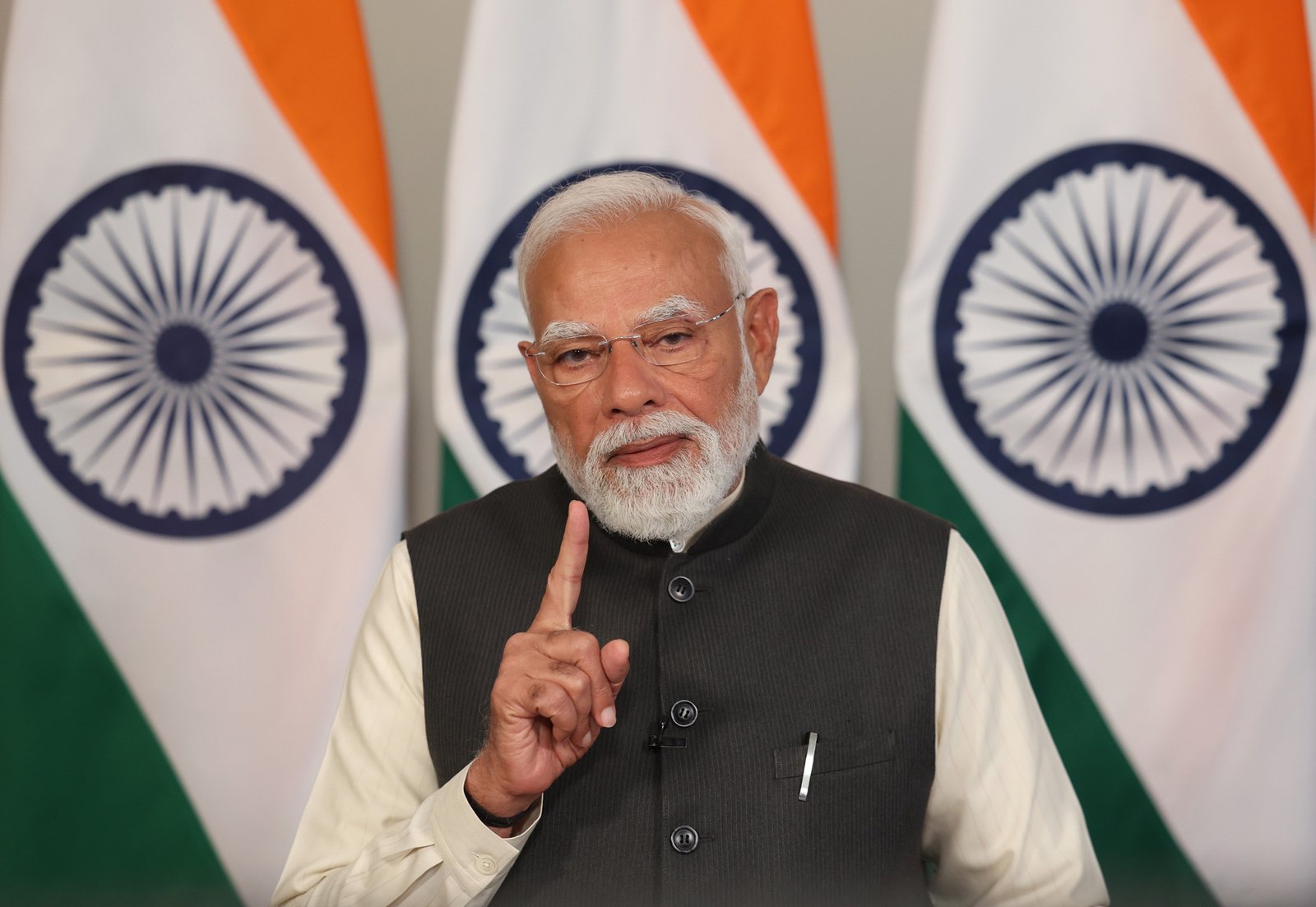 File photo: PM Narendra Modi during his post-Budget 2026-27 address via video conference on February 1, 2026 — the SME Growth Fund traces back to that Budget’s MSME announcements. (Photo: PMO/PIB, GODL-India)
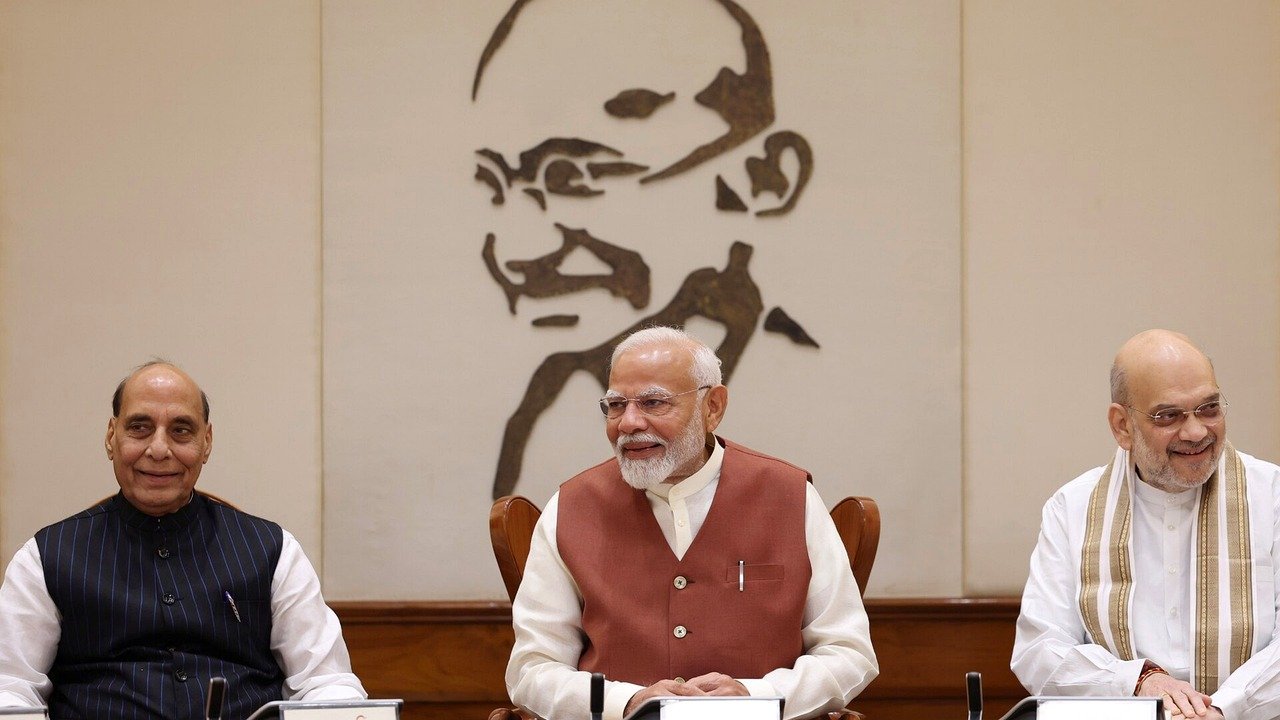
Cover photo: PM Narendra Modi chairs a Union Cabinet meeting in New Delhi (file photo). Photo: PIB/GODL-India.
Equity, Not Loans
MSMEs are widely acknowledged as the backbone of the Indian economy — among the largest generators of employment, exports, manufacturing output and innovation. While loan access has improved through various government schemes, a structural gap in growth-stage risk capital has persisted. The SME Growth Fund is designed to bridge exactly that gap, giving enterprises patient, long-term equity instead of short-term debt.
The Fund will operate as an Alternative Investment Fund (AIF) under the Industrial Development Fund framework, committing the full Rs 10,000 crore to high-potential SMEs seeking growth equity.
Who Benefits Most
The majority of the corpus will be directed to small and medium manufacturing-focused enterprises, with special attention to SMEs operating in Tier-2 and Tier-3 cities. The government expects this to spur balanced regional industrial development, strengthen local supply chains and create new high-quality jobs across the country.
With equity backing, enterprises can scale up production capacity, invest in advanced technologies and manufacturing capabilities, produce at scale, and compete globally — aligning squarely with the Viksit Bharat 2047 vision.
Source: PIB