





New Delhi Bureau
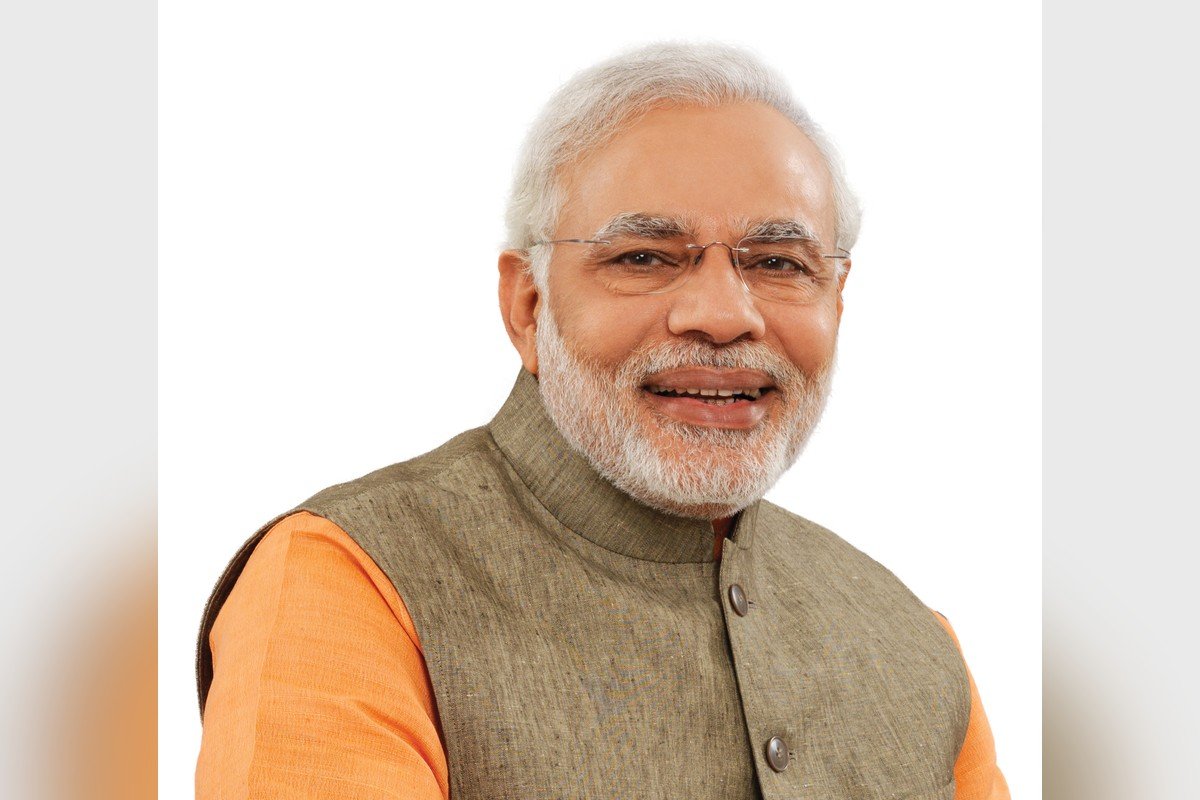
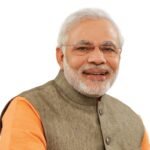
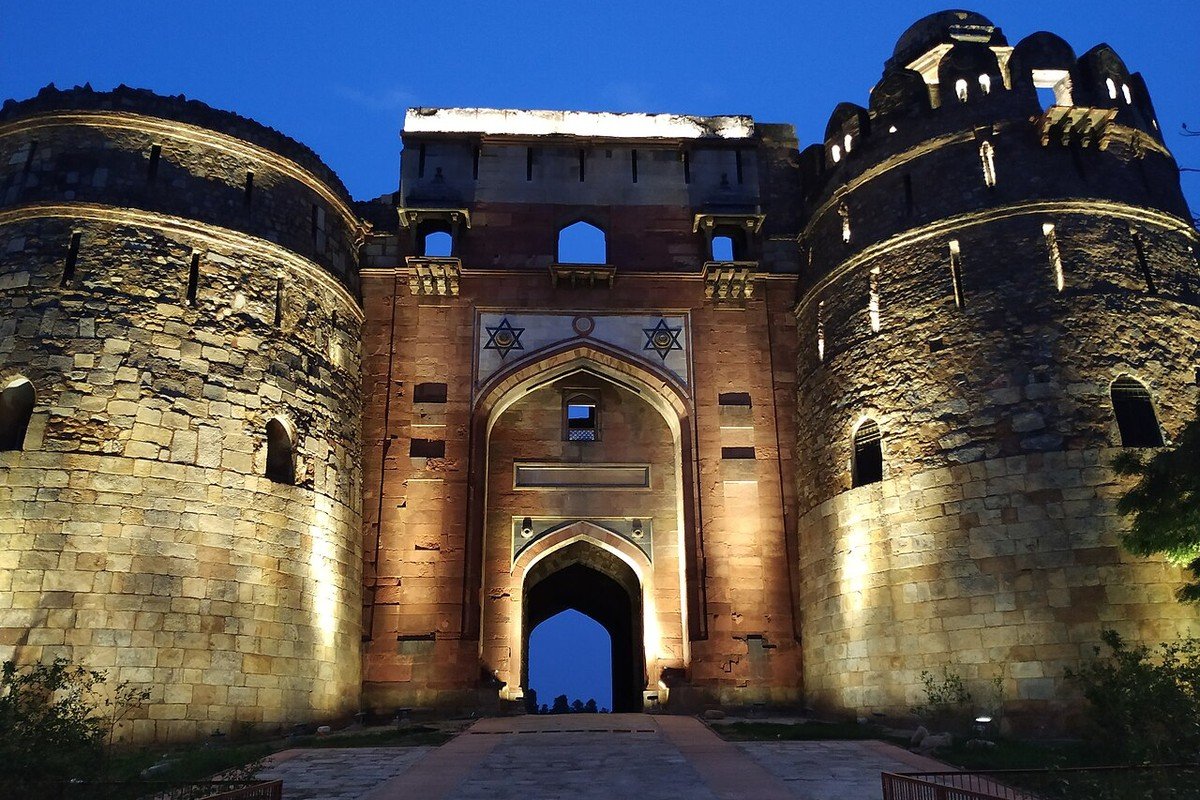
Prime Minister Narendra Modi on Friday inaugurated the first-ever Shanghai Cooperation Organisation (SCO) Civilisational Dialogue Forum at Delhi’s historic Purana Qila, telling delegates from across Eurasia that at a time when the world is dominated by talk of war and unrest, India is choosing dialogue on civilisational connections — because cultural connectivity is the strongest guarantee of global peace.
A first-of-its-kind forum, born from an Indian proposal
The three-day forum, being held from November 20 to 22, is the first of its kind under the SCO framework. Prime Minister Modi himself proposed it at the SCO Summit in China in 2025, as a dedicated platform for civilisational dialogue within the grouping. The proposal was subsequently welcomed in the Bishkek Declaration issued after the 26th meeting of the Council of Heads of State in September this year.
The forum is being hosted by the Ministry of Culture and the Ministry of External Affairs, on the theme “Vasudhaiva Kutumbakam — The World Is One Family”. It brings together participants from SCO member states, observers and dialogue partners to explore the region’s shared civilisational heritage and to strengthen cultural cooperation.
The SCO was founded at a summit in Shanghai in 2001 by the presidents of Russia, China, the Kyrgyz Republic, Kazakhstan, Tajikistan and Uzbekistan. India and Pakistan became permanent members in 2017, while Iran joined the grouping in 2023. The grouping recently marked 25 years since its inception, and the new forum adds a cultural dimension to a body that has so far been known mainly for cooperation in security, the economy and connectivity.
‘Cultural connectivity is the strongest guarantee of peace’
In his inaugural address at Purana Qila, Modi placed the forum squarely in the context of a world in conflict. “At a time when discussions about war and unrest dominate the world, we are engaging in a dialogue on civilisational connections in India. This is significant because the strongest guarantee for global peace is cultural connectivity,” he said.
He noted that the SCO had significantly increased cooperation in security, the economy and connectivity in recent years, and argued that cultural and civilisational cooperation would further strengthen relations among various countries. “In recent years, the SCO has significantly increased cooperation in security, economy and connectivity. In such a scenario, cultural and civilisational cooperation will further strengthen relations among various countries. I am confident that new ideas will emerge from this forum, new opportunities for cultural cooperation will be created and our shared civilisational experiences will play a crucial role in uniting the world,” he said.
Not a ceremonial platform — a platform to give direction to the world
Modi was clear that the forum should not be treated as a ceremonial gathering. Empires, he said, had certainly changed the maps of the world, but civilisational dialogues had changed the world’s ideas and enriched them. “Therefore, the SCO Civilisational Summit is not merely a ceremonial platform but it can become a platform to give direction to the world,” he said.
He urged the participants to make the inaugural forum historic by laying the foundation for a new tradition of civilisational dialogue — one for which, he said, those present would surely be remembered.
Technology and the manuscripts of a shared past
A large part of the Prime Minister’s address was devoted to what technology can now do for shared heritage. He said 21st-century technology had created new possibilities for cultural connectivity across the world. “Across the very routes where our ancestors once had to travel for months, people from those same countries can now connect with one another in just a few seconds. Digital platforms have made knowledge sharing, cultural exchange and international collaboration easier than ever before. SCO countries should take full advantage of these new possibilities,” he said.
Thousands of years of priceless heritage, he noted, are preserved in the museums, libraries and archives of SCO countries — ancient manuscripts, rare books, historical documents and artefacts that reflect deep historical links. Technology, he argued, could help pass this heritage on to the next generation.
He offered the delegates a set of suggestions: digitise ancient texts and manuscripts; use technology, including artificial intelligence, to carry great literary works — many of which are still available in only a limited number of languages — to wider modern audiences; organise joint exhibitions between museums and cultural institutions; promote exchange programmes for scholars and researchers between universities and research institutions; and develop cultural tourism as a significant area of cooperation.
Five thousand years of shared roads
Modi reached deep into history to make his case. Trade relations existed between the Indus Valley Civilisation and Mesopotamia nearly 5,000 years ago, he said, and ancient trade routes later connected India, China, Central Asia and several parts of Eurasia.
“Along these routes, merchants travelled alongside scholars, travellers, and Buddhist monks. These journeys facilitated the exchange of ideas, languages, and traditions,” he said. The point, repeated through the speech, was that the SCO region’s connections predate its modern borders by millennia — and that those connections were built as much by ideas and faith as by commerce.
Purana Qila — a stage steeped in history
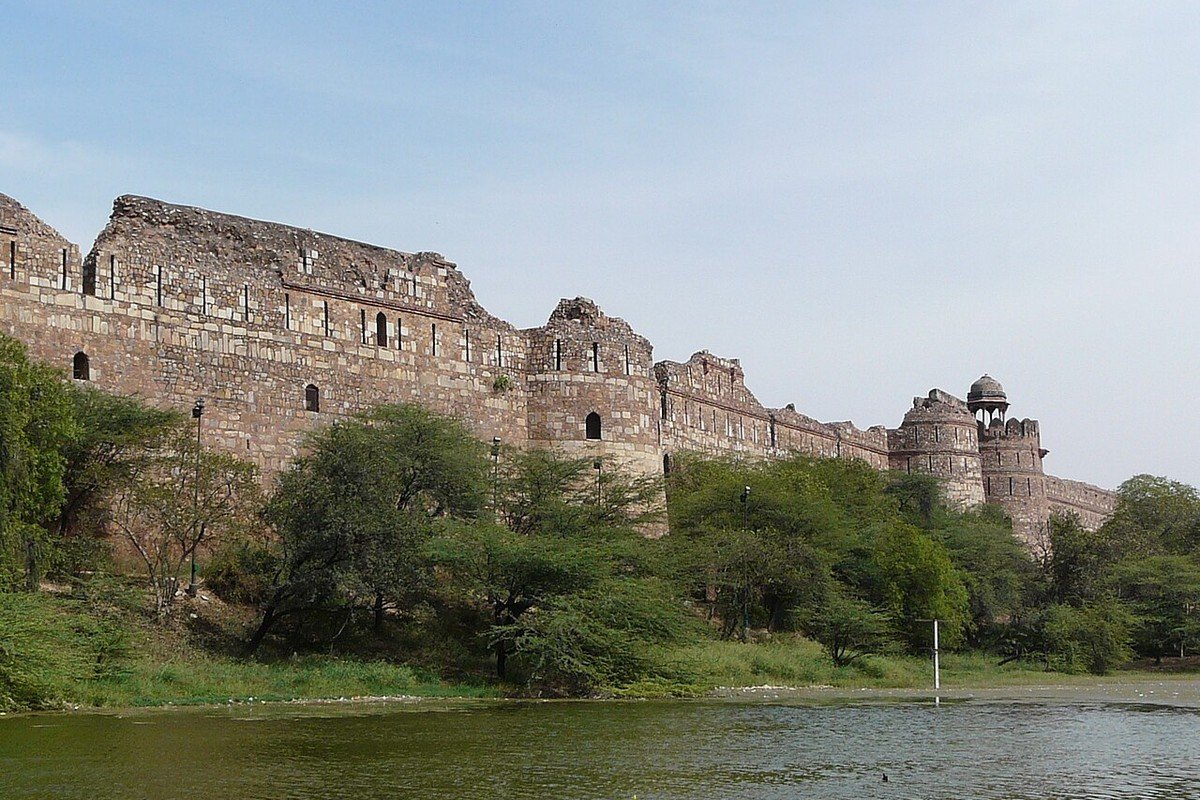
The choice of venue was itself part of the message. Scholars trace the history of Purana Qila back thousands of years to the era of the Mahabharata, and popular tradition links the site to Indraprastha, the ancient city of the Pandavas. The fort, built as Dinpanah by the Mughal emperor Humayun, has stood at the centre of Delhi’s layered history.
The inaugural ceremony featured “Civilisations in Conversation — Cultural Show”, a presentation blending music, dance, visual storytelling and narration. The cultural performances at the event, featuring Vedic hymns, Buddhist philosophy and the journey of Lord Hanuman, showcased India’s heritage while conveying a message of love and unity for humanity.
The forum also features exhibitions showcasing India’s archaeological, artistic and literary heritage under the banner “ASTITVA — The Essence of Our Existence”, offering an expansive account of Delhi’s history through archaeological evidence.
Who was in the room
Delegates from various SCO member countries attended the inauguration, along with representatives of observer countries and dialogue partners. Pakistan’s Federal Minister for Climate Change, Musadik Masood Malik, was among those present — his visit is the first by a Pakistani leader to India in more than three years. Union Culture Minister Gajendra Singh Shekhawat was also present at the inauguration.
Beyond the political delegations, the forum gathers scholars, academics, subject experts and cultural representatives from across the SCO region — the people, in Modi’s framing, who will actually carry the dialogue forward once the inaugural ceremony ends.
What happens next
The inaugural ceremony will be followed by four thematic sessions on November 21 and 22, bringing together scholars, academics, subject experts and cultural representatives, with rich displays of music and performing arts, textiles, cuisine and traditional games.
The test of the forum will be whether its ideas turn into concrete programmes — joint exhibitions, manuscript digitisation, scholar exchanges and cultural tourism partnerships — before the next edition. If they do, the Prime Minister’s pitch is that civilisational dialogue becomes a standing part of the SCO’s agenda, alongside security, the economy and connectivity. If the first edition succeeds, India will have added a new tradition to a grouping that, at 25, is still defining what it is for.
Also read: PM Modi to Inaugurate First SCO Civilisational Dialogue Forum at Delhi’s Purana Qila Today — https://pradesh24news.in/?p=11851
Also read: First Pakistani minister in India since Operation Sindoor: Musadik Malik arrives in Delhi for SCO meet — https://pradesh24news.in/?p=11935
More on the forum’s inauguration — https://www.thehindu.com/news/national/pm-modi-address-at-sco-civilisational-dialogue-forum/article71725120.ece
डिस्क्लेमर: यह खबर उपलब्ध स्रोतों और सत्यापन के आधार पर तैयार की गई है। किसी तथ्य में त्रुटि होने पर सुधार प्रकाशित किया जाएगा।