







New Delhi Bureau
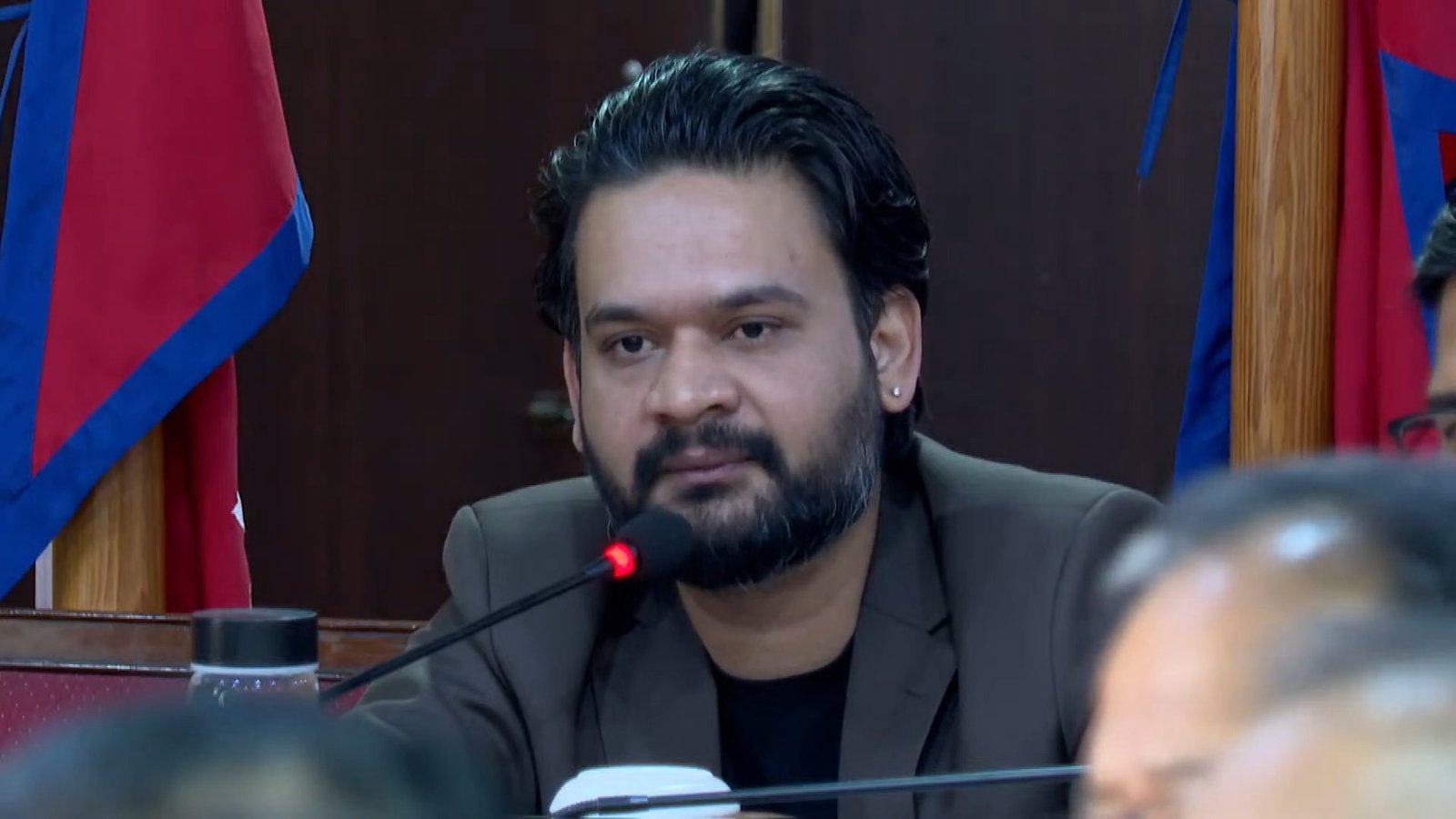
Nepal Prime Minister Balendra Shah arrives in New Delhi today, Sunday, 22 November 2026, on his first overseas bilateral state visit, carrying a nearly $2 billion economic wish-list and a packed agenda of energy, connectivity and trade talks with Prime Minister Narendra Modi.
The Balendra Shah India visit begins today, Sunday, 22 November 2026, as Nepal Prime Minister Balendra Shah lands in New Delhi for a two-day state visit at the invitation of Prime Minister Narendra Modi. It is his first overseas bilateral state visit since he took office on 27 March 2026, and it comes at a moment when both capitals are looking to put the relationship back on a firm, forward-looking footing.
Shah, a former mayor of Kathmandu and a former rapper who is popularly known as “Balen”, took charge of Nepal after the Gen Z protests of September 2025 toppled the government of K.P. Sharma Oli. By convention, newly elected prime ministers of Nepal make India their first official bilateral destination — a tradition this visit upholds, even as it follows a spell of diplomatic tension after Shah’s remarks in Nepal’s House of Representatives on 31 May. Nepal’s Opposition has said it was never consulted on the visit.
Balendra Shah India visit: arrival and itinerary
Shah lands in Delhi at 3:15 pm today, when he will be received by officials before External Affairs Minister S. Jaishankar calls on him at 6 pm at the Taj Mahal Hotel. He is accompanied by a 34-member delegation that includes Finance Minister Swarnim Wagle, Foreign Minister Shishir Khanal, Chief Adviser Kumar Byanjankar and senior officials. The delegation is travelling by Nepal Airlines.
Shah will also attend the Nepal–India Business Forum during the visit, where trade and economic ties between the two countries will be in focus.
Monday in Delhi: guard of honour and talks with PM Modi
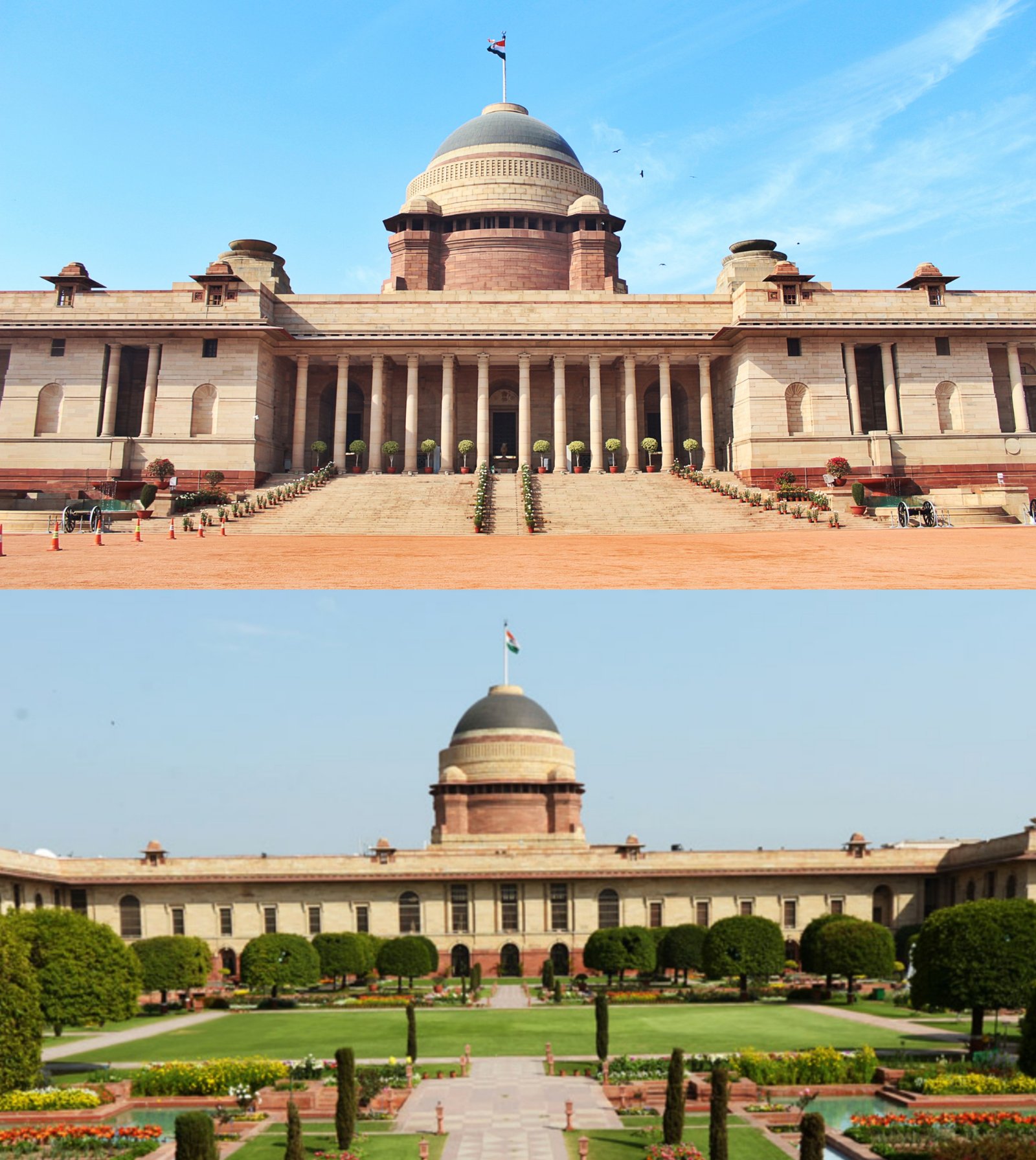
The main business of the visit takes place on Monday, 23 November. The day begins with a ceremonial reception and guard of honour for Shah at 10 am at Rashtrapati Bhavan, followed by a floral tribute at Rajghat.
Delegation-level talks with Prime Minister Modi are scheduled at Hyderabad House at 11 am, beginning with a restricted meeting and a one-on-one conversation before the full delegation-level meeting. The two leaders will then address a joint press conference, and Prime Minister Modi will host an official luncheon in Shah’s honour. Later in the day, Shah will call on President Droupadi Murmu before flying home on a Nepal Airlines flight at 4:50 pm.
The $2 billion ask: credits, grants and flood rebuilding
At the centre of the visit is a request from Kathmandu for an economic package of nearly $2 billion. Nepal is seeking $1 billion in lines of credit for energy and infrastructure, $500 million in grants, and a further $500 million to rebuild areas devastated by the floods of August 2026.
The floods of 26 August in the Bhotekoshi–Rasuwa corridor killed 1,500 people and left more than 5,200 missing, destroying roads, bridges, power plants, farms and homes. Reconstruction of the corridor is expected to be a major talking point in the delegation-level discussions.
Energy and connectivity: projects on the table
Energy and connectivity dominate the deliverables. The two sides are expected to jointly mark the launch of the Ayodhya–Janakpur rail service, a motorable bridge in Darchula, the foundation stone of an integrated check post at Banbasa in Uttarakhand, and a review of the Dodhara Chandani check post that is under construction. The foundation stone of the 669 MW Lower Arun hydropower project and the start of construction of a petroleum storage terminal in Jhapa are also on the list, along with the handover of the completed second phase of the Motihari–Amlekhgunj petroleum pipeline.
The Janakpur rail link underlines the people-to-people thread of the relationship. On connectivity, Nepal has also sought additional air-entry routes, including for Bhairahawa near Lumbini and Pokhara, while India has asked for its military aircraft to be allowed through the Bagdogra entry point. The resumption of Gorkha recruitment into the Indian Army is also on the agenda.
A 10-point vision document and a $9.38 billion trade relationship
The two sides are expected to unveil a 10-point Joint Vision Document titled “Samriddha Nepal, Samunnat Bharat” — Prosperous Nepal, Developed India — setting out a shared roadmap for the years ahead. The visit is an opportunity to review the full spectrum of India–Nepal relations and strengthen bilateral cooperation, with the agenda spanning development cooperation, people-to-people ties, energy, connectivity, startups, technology, innovation, sports and cricket links.
Bilateral trade between the two countries stands at $9.38 billion this year — more than 60 per cent of Nepal’s external goods trade — and Nepal has sought amendments to the bilateral trade treaty. The visit programme has been shared by the Ministry of External Affairs.
Why the Balendra Shah India visit matters
For New Delhi, the visit is a chance to reset a relationship that has seen friction in recent months, and to lock in energy and connectivity projects that bind the two economies more closely. For Kathmandu, it is an opportunity to secure financing for reconstruction and infrastructure, and to reaffirm a partnership that remains central to Nepal’s economy and its people’s daily lives.
What happens on Monday will set the tone: the joint press conference, the vision document and the announcements on projects and the economic package will show how far the reset has gone. Shah flies home on Monday evening, leaving both sides to turn the words of the visit into work on the ground.
डिस्क्लेमर: यह खबर उपलब्ध स्रोतों और सत्यापन के आधार पर तैयार की गई है। किसी तथ्य में त्रुटि होने पर सुधार प्रकाशित किया जाएगा।