





New Delhi, Desk Report
Prime Minister Narendra Modi will inaugurate the first SCO Civilisational Dialogue Forum at Purana Qila in New Delhi on Friday evening, opening a three-day celebration of the shared civilisational heritage of the SCO’s member countries.
Prime Minister Narendra Modi will inaugurate the first SCO Civilisational Dialogue Forum at the historic Purana Qila in New Delhi on Friday, 20 November 2026, at around 5:30 pm, and will address the gathering on the occasion, the Ministry of External Affairs (MEA) has said. The three-day forum, being held from 20 to 22 November, brings together culture ministers and diplomats from the participating countries, besides scholars, academics and experts, to explore the shared civilisational heritage of the SCO countries.
What the SCO Civilisational Dialogue Forum Is
The forum is the first dedicated platform of its kind under the Shanghai Cooperation Organisation, created to celebrate the rich and interconnected civilisational heritage of the region, strengthen people-to-people ties and promote cross-cultural dialogue and cooperation among the member countries. It is the first time the grouping, which spans much of Eurasia, has set aside a forum devoted entirely to civilisations rather than to security or trade.
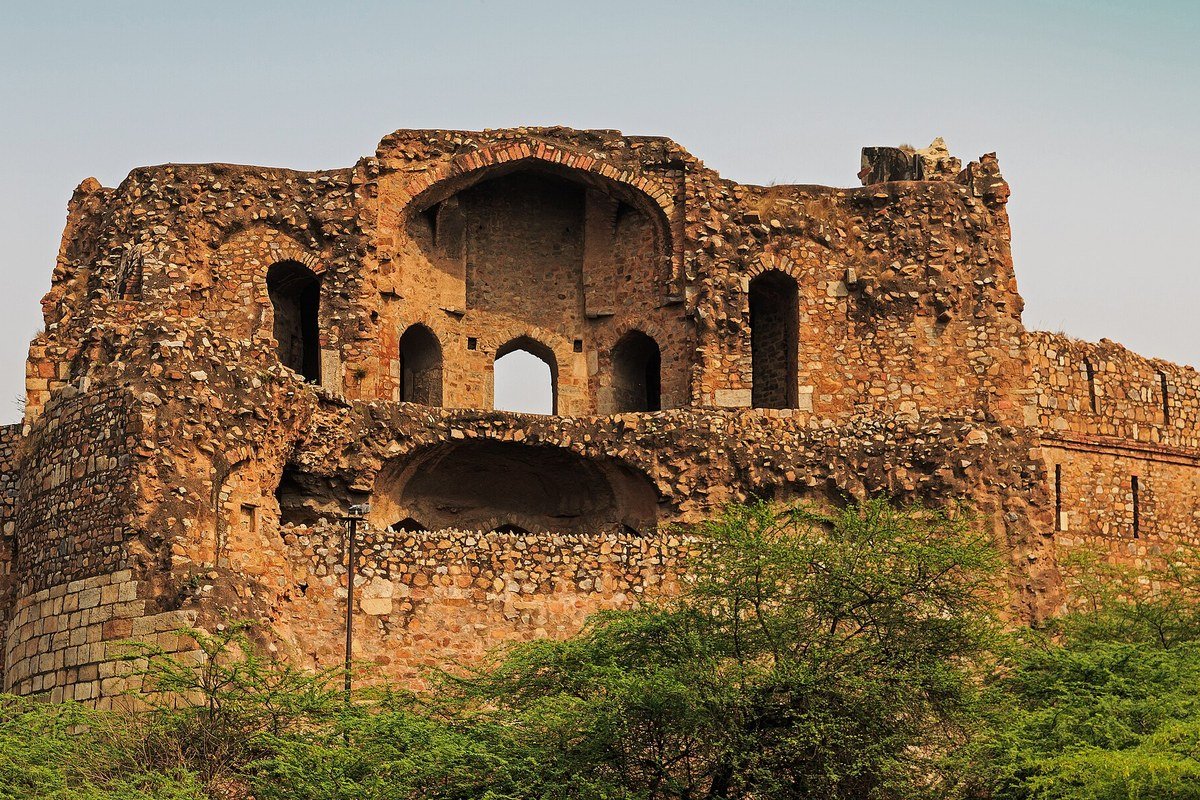
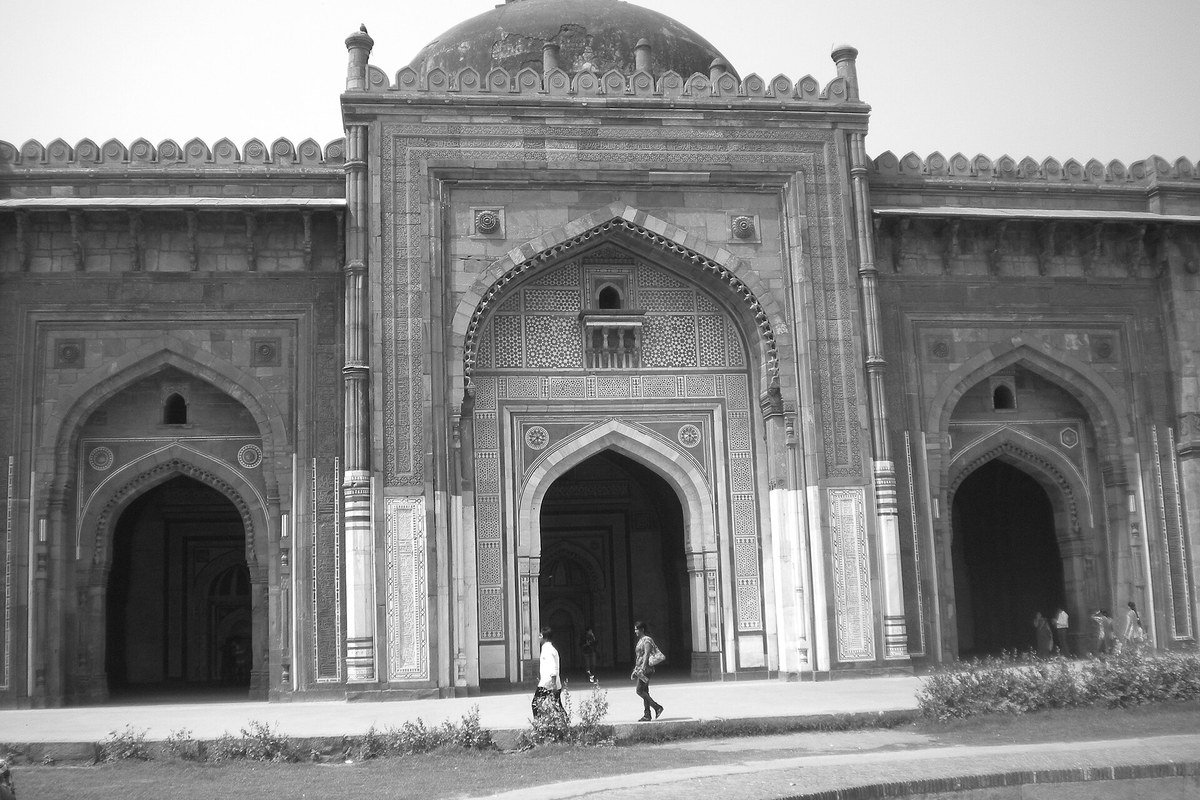
The choice of venue is deliberate. Purana Qila, the Old Fort in the heart of the capital, is among Delhi’s oldest surviving structures, and the forum’s exhibitions will use the site’s own layered history to tell the story of the city. The Prime Minister will inaugurate the forum and deliver the opening address at the evening ceremony, after which the three-day programme of exhibitions and discussions begins in earnest.
From Tianjin to Delhi: How the Forum Took Shape
The SCO Civilisational Dialogue Forum builds upon a proposal made by Prime Minister Modi at the 2025 SCO Summit in Tianjin, China, to establish a dedicated platform for civilisational dialogue under the SCO framework. The proposal was subsequently welcomed in the Bishkek Declaration of the SCO this year, the Prime Minister’s Office said in a statement on Thursday.
The speed with which the idea has moved from proposal to platform underlines how much weight New Delhi attaches to cultural diplomacy inside the grouping. India joined the SCO as a full member in 2017. The organisation today has 10 member states — Belarus, China, India, Iran, Kazakhstan, Kyrgyzstan, Pakistan, Russia, Tajikistan and Uzbekistan — while Afghanistan and Mongolia hold observer status and the grouping has 15 dialogue partners. A forum that brings the culture ministers and scholars of all these countries into one room is, by the grouping’s own standards, a substantial gathering.
‘Vasudhaiva Kutumbakam’: Theme, Cultural Show and the ‘Astitva’ Exhibition
The inaugural ceremony will feature a cultural presentation titled ‘Civilisations in Conversation – Cultural Show’, combining music, dance, visual storytelling and narration. Based on the theme ‘Vasudhaiva Kutumbakam – The World Is One Family’, the presentation will highlight cultural connections across India and Eurasia, the MEA release said.
The SCO Civilisational Dialogue Forum will also feature exhibitions showcasing India’s archaeological, artistic and literary heritage, titled ‘ASTITVA – The Essence of Our Existence’. The exhibition offers an immersive account of Delhi’s history through archaeological evidence dating from 1200 BCE to 1200 CE, including excavated remains, artefacts, architectural fragments and other significant discoveries — a sweep of more than two thousand years of the city’s past, presented in one place.
Also on display will be the ‘Mahabharat Scroll Pavilion – Anant: A Rare 18th Century Mahabharata Scroll’, an illustrated scroll reflecting India’s epic and artistic traditions. Together, the exhibitions are meant to anchor the dialogue in objects and evidence rather than in speeches alone.
Who Is Coming — and the Pakistan Question
The forum brings together culture ministers and diplomats from the participating countries, besides scholars, academics and experts. Pakistan has nominated Federal Minister for Climate Change and Environmental Coordination Musadik Masood Malik to represent the country at the forum, instead of its Minister for National Heritage and Culture Aurangzeb Khan Khichi.
Inviting the minister from Pakistan is part of New Delhi’s obligation to invite representatives from SCO member countries, and Islamabad has the prerogative to decide on its representation. In recent months, Pakistan has been asserting its claim on the Indus by highlighting the Indus Valley Civilisation of Mohenjo-daro, Harappa and other ancient sites in the country — a backdrop that makes the civilisational theme of the forum more than a ceremonial choice.
Four Thematic Sessions Over the Weekend
On 21 and 22 November, the forum will hold four thematic sessions bringing together scholars, academics, subject experts and cultural representatives. Discussions will focus on various aspects of shared cultural heritage, including music and performing arts, textiles, cuisine and traditional games.
Participants will also explore common traditions in art and architecture, language and literature — including scripts and manuscripts — as well as monastic trails and philosophical traditions. The sessions are designed to move beyond formal statements and into the working detail of what the region’s civilisations actually share: the same musical forms, the same weaving and craft traditions, the same food cultures and the same philosophical questions, carried across borders for centuries.
What to Watch at 5:30 PM
All eyes will be on the Prime Minister’s address at the inauguration this evening, which is expected to set the tone for the three days of dialogue. The forum runs till Sunday, 22 November, and its conclusions — on cultural cooperation, shared heritage projects and people-to-people exchanges — will be watched closely by the member countries.
For India, the SCO Civilisational Dialogue Forum is also a statement of intent: that the SCO’s agenda can stretch beyond security and economics into the civilisational ties that bind the region together. Whether that intent turns into durable cooperation will be judged not by the opening ceremony, but by what the ministers, scholars and experts carry home from the four thematic sessions over the weekend.
डिस्क्लेमर: यह खबर उपलब्ध स्रोतों और सत्यापन के आधार पर तैयार की गई है। किसी तथ्य में त्रुटि होने पर सुधार प्रकाशित किया जाएगा।