


Nashik Bureau
Summary: The Simhastha Kumbh Mela festival formally begins in Nashik today, 31 October 2026, with President Droupadi Murmu hoisting the ceremonial flag at Ramkund in Panchavati at 12:02 pm. The flag hoisting marks the start of a nearly 21-month-long religious festival on the banks of the Godavari river, covering Nashik and Trimbakeshwar, and it is being held in the presence of the President, the Governor, the Chief Minister and several ministers.
Today is a significant day for Nashik in Maharashtra. The Simhastha Kumbh Mela is beginning on the banks of the Godavari, with Nashik and nearby Trimbakeshwar as its two main centres. According to the official programme of the President’s visit, President Droupadi Murmu will attend the flag-hoisting ceremony in Nashik today and will travel to Kurukshetra in Haryana on 1 November for another programme. The flag hoisting marks the formal beginning of the Kumbh period, even though the main bathing festivals fall in the coming months.
Today’s programme: flag hoisting at 12:02 pm
The schedule for today’s ceremony has been fixed in advance. Religious rituals and worship of the established deities will begin in the morning. Between 11 am and 12:30 pm, the sankalp, Ganesh pujan, pancharaghya offering and tirtha pujan will take place in the presence of the President and other guests. The main Simhastha flag hoisting will then be held at Ramkund, Panchavati, at exactly 12:02 pm.
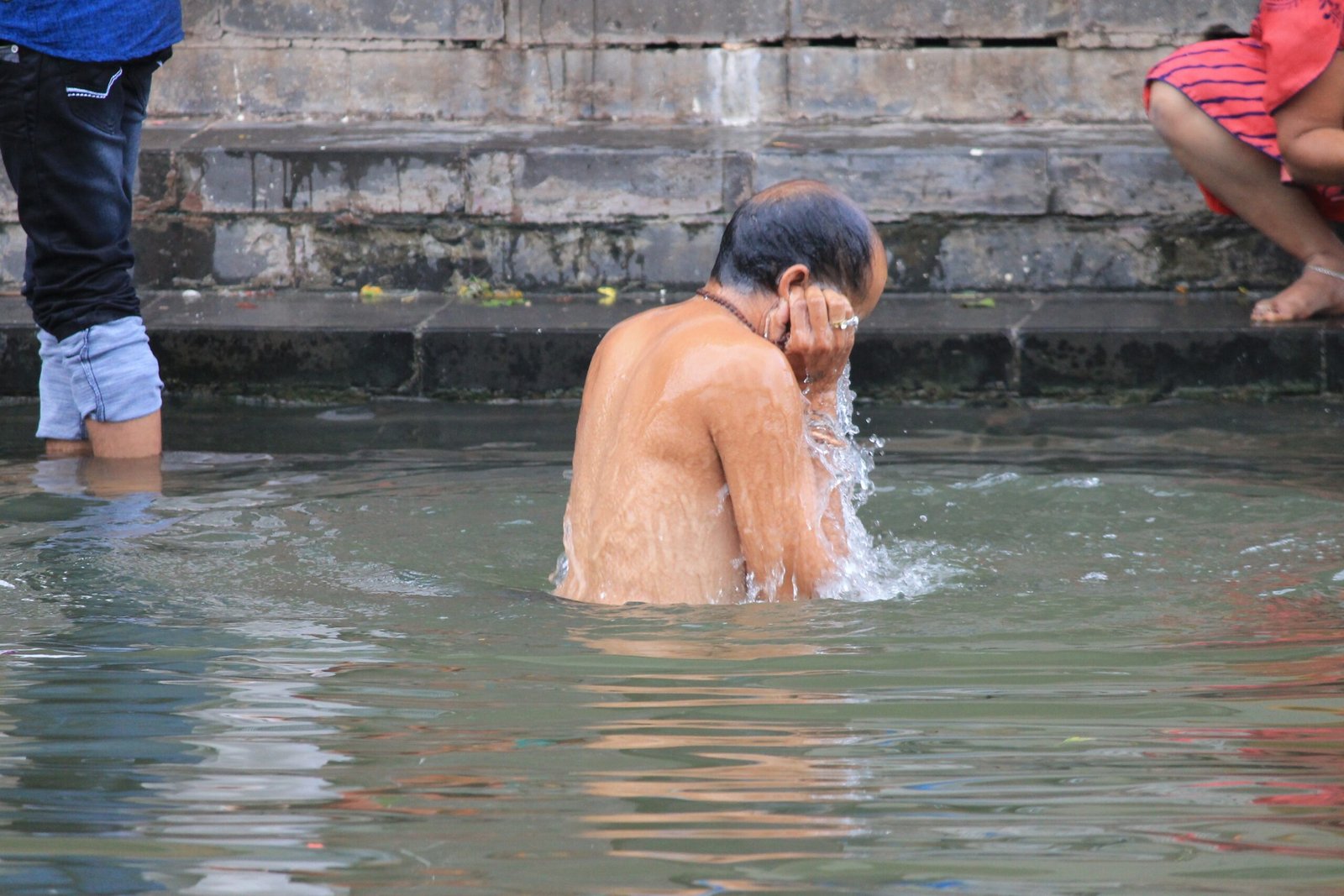
After the flag hoisting, the programme will move towards Trimbakeshwar. A flag-pole worship ceremony is scheduled at Kushavarta Tirtha at 3:10 pm. In the evening, a grand Goda Aarti will be held on the banks of the Godavari. According to the event programme, the conch-blowing by around 550 people and a grand divine aarti by around 6,500 tribal brothers will be special attractions of the ceremony.
Governor Jishnu Dev Varma, Chief Minister Devendra Fadnavis, Deputy Chief Ministers Eknath Shinde and Sunetra Pawar, and several members of the state cabinet will be present. Kumbh Mela Minister Girish Mahajan and other ministers will also attend. The administration has made arrangements for a large number of distinguished guests arriving in Nashik for the ceremony.
A festival lasting nearly 21 months
This Nashik–Trimbakeshwar Simhastha Kumbh Mela is notable for its long duration. According to the published schedule, the festival will run from 31 October 2026 to 24 July 2028, nearly 21 months, ending with the lowering of the flag on 24 July 2028. The first Amrit Snan is scheduled for 2 August 2027, and further bathing festival dates have also been fixed.
Because of the long duration, the administration plans to run the mela in phases. Separate arrangements are being made at Nashik and Trimbakeshwar on the Godavari banks for bathing, worship and religious gatherings. The three-day rituals that began on 30 October will conclude on 1 November with morning worship, havan, purnahuti and Goda Aarti.
Religious significance of Simhastha
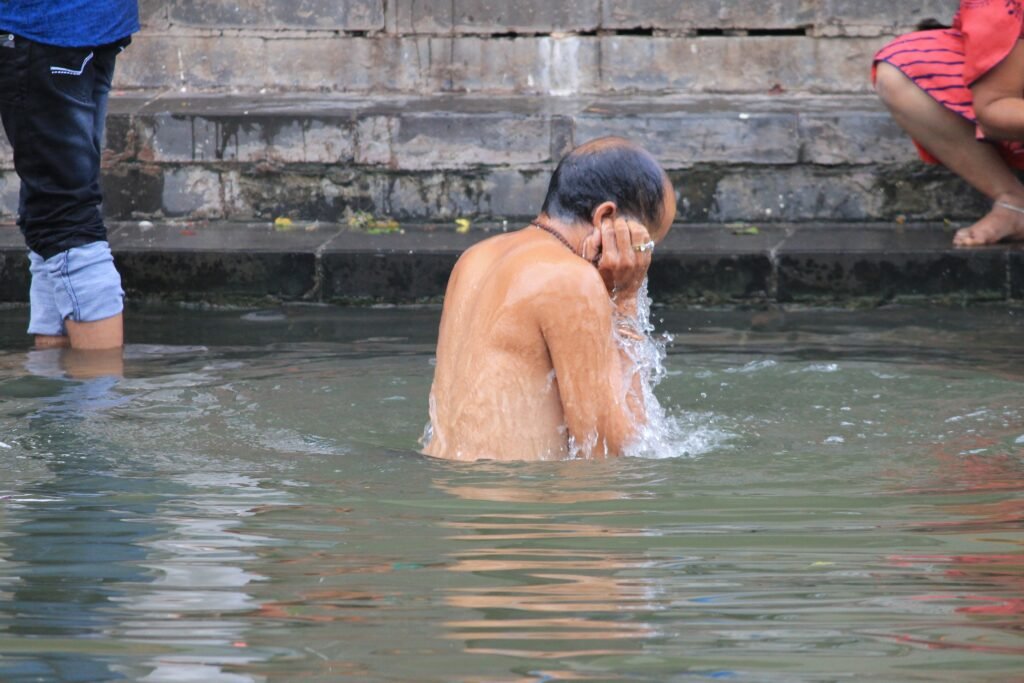
According to tradition, the Simhastha Kumbh is held when Jupiter is in the Leo sign, which is why the mela carries the name Simhastha. It is believed that this mela on the Godavari banks holds special merit for devotees. Ramkund in the Panchavati area of Nashik, where the flag hoisting takes place, and Kushavarta Tirtha in Trimbakeshwar are the two main centres of this Kumbh.
Trimbakeshwar is also home to a Jyotirlinga temple, which adds to its religious importance. Devotees from across the country, along with saints and representatives of akharas, associate themselves with this mela. The presence of the President at the opening ceremony underlines the national significance of the event.
Link with Ujjain Simhastha 2028
The Nashik Simhastha also matters for devotees in Madhya Pradesh, where preparations are under way for Ujjain Simhastha 2028. Large infrastructure works, including new ghats on the Shipra river, have been planned for Ujjain, and major announcements have already been made at foundation-laying programmes there.
Both Simhastha melas belong to the same twelve-year cycle and the same religious tradition. The flag hoisting in Nashik is therefore being seen by devotees in Ujjain as well as a sign that major Kumbh events will continue to take place at different pilgrimage centres in the coming years.
What lies ahead
The flag hoisting marks only the beginning. The main attraction will come in the following months, with the first Amrit Snan in August 2027. The administration has adopted a phased strategy for the long festival period, and further announcements and schedules related to the mela may follow in the coming days.
For devotees, religious gatherings, bathing and darshan on the Godavari banks will continue for a long time after today’s ceremony. The formal opening today sets in motion a festival period that will stretch well beyond a year and a half.
Disclaimer: This story has been prepared on the basis of available sources and verification. If any fact is found incorrect, a correction will be published.