




New Delhi Bureau
Summary: Prime Minister Narendra Modi will inaugurate and lay the foundation stone for Pune Metro projects worth nearly Rs 21,800 crore on 3 November through video conferencing. The programme includes the inauguration of the Pink Line, built at a cost of over Rs 8,300 crore, and the foundation stone for Phase-II, estimated at around Rs 13,500 crore.
Pune’s public transport network is set for a major expansion. Prime Minister Narendra Modi will inaugurate Pune Metro’s Line 3, known as the Pink Line, and lay the foundation stone for Phase-II projects worth a combined Rs 21,800 crore on Tuesday, 3 November, through video conferencing. The event is scheduled to begin at 12.30 pm, and the Prime Minister will also address the gathering on the occasion.
Pune is among India’s fastest-growing cities, home to a large information technology sector, educational institutions and industries. Lakhs of people travel across the city every day, and the demand for fast, reliable public transport has been rising steadily. The new metro projects are aimed at meeting that demand and giving the city a more connected urban transport network.
What happens tomorrow: inauguration and foundation stone
Two major works will take place in tomorrow’s programme. First, the Pink Line of Pune Metro will be inaugurated. Second, the foundation stone will be laid for Pune Metro Phase-II. The programme will be held through video conferencing and is scheduled to begin at 12.30 pm, with an address by the Prime Minister.
The inauguration of the Pink Line will add a new and important corridor to Pune’s metro network. The foundation stone for Phase-II will mark the start of the next stage of expansion. Together, the two projects are expected to change the way Pune travels.
The Pink Line: 23 kilometres from Maan to District Court
The Pink Line, or Line 3 of Pune Metro, is approximately 23 kilometres long and connects Maan to District Court Metro station. Built at a cost of over Rs 8,300 crore, the corridor links the Hinjewadi information technology hub with Shivajinagar.
Hinjewadi houses offices of several major technology companies, and thousands of professionals travel there every day. Until now, most of them have depended on roads, which face heavy congestion during peak hours. The Pink Line will give these commuters a faster and more dependable alternative. The corridor will also link with the existing metro network, making travel between different parts of the city easier.
For daily commuters between Hinjewadi and Shivajinagar, the new line is expected to save considerable time and reduce the stress of road travel.
Women operators at the helm, solar power in the mix
The most distinctive feature of the Pink Line is that it will be operated entirely by women train operators. This is being seen as a unique initiative in the country and a model of women-led, inclusive public transport.
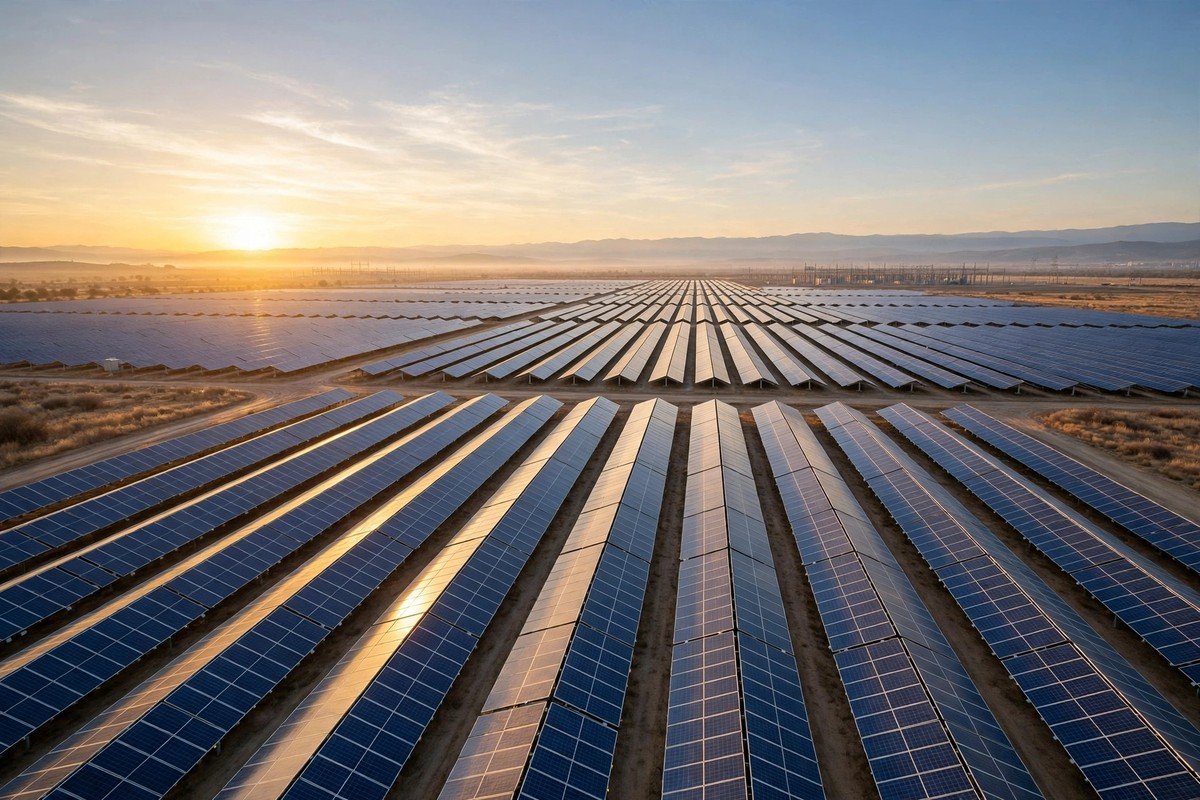
In a push for environmental sustainability, around 30 per cent of the line’s electricity requirements are envisaged to be met through solar power. The Pink Line will therefore not only improve passenger convenience but also take a step towards cleaner energy use in urban transport. Balancing rising energy demand with lower emissions is a key challenge for growing cities, and solar-powered metro operations offer one practical answer.
Phase-II: four new lines across the city
Along with the Pink Line inauguration, the Prime Minister will lay the foundation stone for Pune Metro Phase-II, estimated to cost around Rs 13,500 crore. The expansion comprises Lines 2A, 2B, 4 and 4A, which will substantially widen the city’s metro network.
Lines 2A and 2B will together cover approximately 12.75 kilometres. Line 2A will connect Vanaz to Chandani Chowk, while Line 2B will extend from Ramwadi to Vitthalwadi. These two lines will extend the existing east-west metro network.
Line 4 will span around 25.52 kilometres between Kharadi and Khadakwasla, while the 6.12-kilometre Line 4A will connect Nal Stop to Manik Baug. Once complete, these corridors will strengthen metro access to Pune’s eastern and southern parts.
Which areas will benefit directly
The new corridors under Phase-II will serve locations including Kharadi, Magarpatta, Hadapsar, Swargate, Manik Baug, Nanded City, Pune Cantonment and Warje. The Ramwadi-Vitthalwadi extension will improve access to the fast-growing residential, commercial and information technology areas of Kharadi and Wagholi.
Kharadi and Wagholi have seen a large number of housing projects and offices come up in recent years, and better connectivity will directly help the people living there. Similarly, densely populated areas such as Hadapsar, Swargate and Warje will gain from metro access, easing the daily travel burden on residents.
Interchange facilities at Swargate, Nal Stop and Kharadi Bypass will integrate the new corridors with the existing Pune Metro network and intercity bus services. Passengers will thus be able to move within a single network more smoothly, without repeated changes of mode.
Impact on traffic and pollution
Pune’s roads have been under growing pressure from rising vehicle numbers, and long traffic jams during peak hours are common on several routes. The metro expansion is expected to reduce dependence on private vehicles. As more people shift to the metro, the number of vehicles on roads should fall, easing congestion.
Lower vehicular pollution is another expected benefit. Metros run on electricity, and a significant share of the Pink Line’s power is planned to come from solar energy. Strengthening public transport is widely regarded as the most effective way for a growing city to cut both congestion and emissions.
Why this project matters
Pune is Maharashtra’s second-largest city and one of India’s leading education and technology centres. Every year, large numbers of students, professionals and workers arrive in the city, adding to the pressure on its transport infrastructure. A fast, safe and environment-friendly system like the metro is considered the most dependable way to handle that pressure.
The Rs 21,800 crore projects are not merely an inauguration and a foundation stone. They also outline the shape of Pune’s travel over the coming decade. The Pink Line will bring immediate relief, while the Phase-II lines are planned with the city’s future growth in mind. Tomorrow’s programme will be a major step in that direction.
Disclaimer: This news has been prepared on the basis of available sources and verification. If any fact is found incorrect, a correction will be published.