





New Delhi Bureau
Summary: From 1 November 2026, the 19-kg commercial LPG cylinder in Delhi costs Rs 2,820, up by Rs 10. Domestic cooking gas and petrol-diesel prices are unchanged, but hotels, restaurants and catering businesses will face higher fuel costs.
November has begun with an important change for commercial fuel users. Oil marketing companies have revised LPG prices in their regular monthly revision on the first of the month, and from 1 November 2026 the 19-kg commercial LPG cylinder has become costlier. In Delhi, the cylinder now costs Rs 2,820, against Rs 2,810 in October, an increase of Rs 10. Across metropolitan cities, the increase ranges from Rs 10 to Rs 17. Domestic LPG prices have not changed in this revision, which brings direct relief to households, while commercial users will have to adjust their monthly budgets.
What changed in Delhi
The new commercial LPG price in Delhi is Rs 2,820 for a 19-kg cylinder. This is the third consecutive monthly increase for commercial cylinders, following an increase in October as well. Oil companies review LPG and aviation fuel prices on the first of every month, based on international market prices and the rupee-dollar exchange rate. Prices differ slightly from city to city because of local taxes, so the rate in another city may not match Delhi exactly. For businesses that use several cylinders every month, even a Rs 10 increase adds up to a noticeable amount by the end of the month.
Domestic cylinders and petrol-diesel unchanged
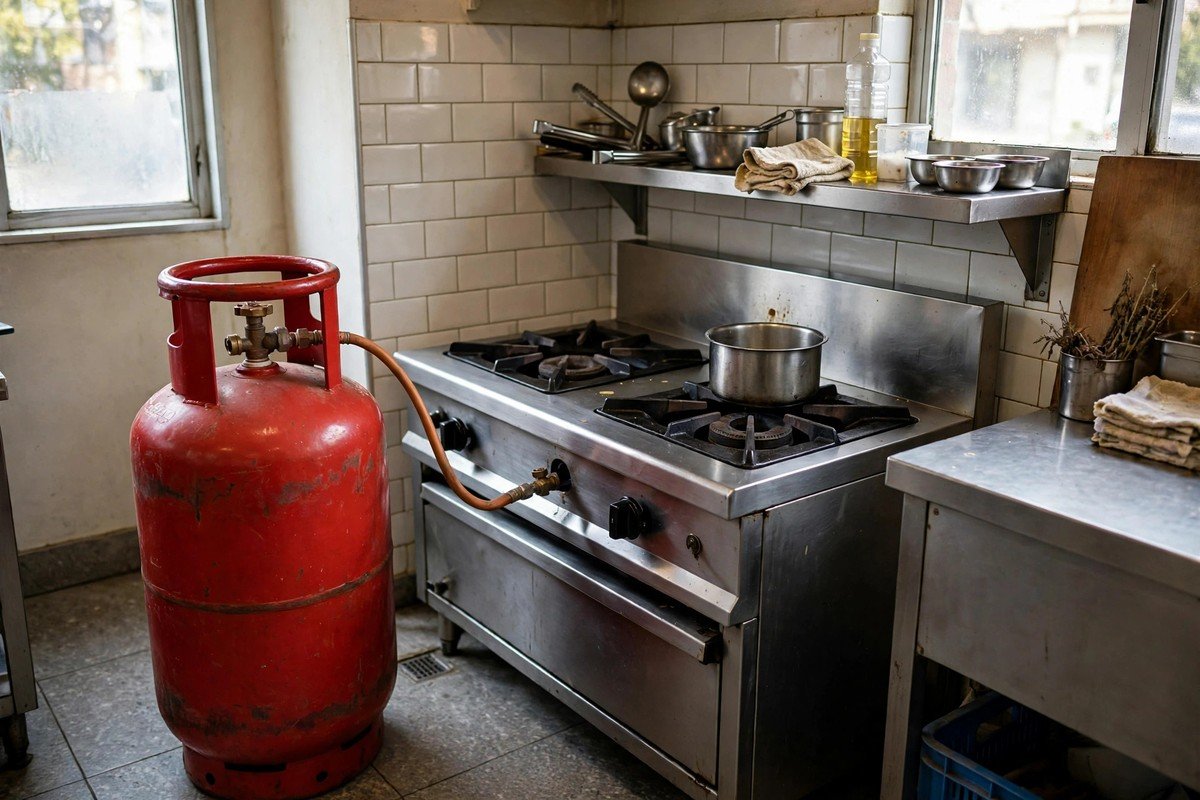
The most reassuring part of this revision is what did not change. The 14.2-kg domestic LPG cylinder in Delhi continues to cost Rs 942, with no change in this round. Petrol and diesel prices have also been left unchanged. This means household fuel spending is not directly affected by the November revision. Commercial cylinders are not used in homes; they are used in hotels, restaurants, dhabas, catering services and other commercial work. The impact of this hike will therefore fall mainly on commercial consumers, not on household kitchens.
Pressure on hotels and restaurants
The hospitality and food services sector is likely to feel this increase most. Hotels, restaurants, dhabas and catering units use a large number of cylinders every day, and even a small restaurant can consume several cylinders in a month. The festive season is under way, with weddings and events adding to catering demand, so food businesses are already operating at high capacity. Higher fuel costs will add to their operating expenses at a busy time. Some businesses may absorb the extra cost, while others may pass a small part of it on through menu prices or service charges. For customers, this could mean a marginal rise in the cost of eating out in the coming days, though the change per meal is likely to be small.
Aviation fuel also costlier
Along with LPG, aviation turbine fuel has also become costlier by about one per cent. Aviation fuel is a major part of airline operating costs, so the increase adds pressure on carriers, especially during the festive travel season when demand for air travel is high. Airfares do not always move immediately with fuel prices, since they also depend on demand, route and booking timing, but the aviation sector will be watching fuel costs closely in the coming weeks.
The 5-kg option for small users
The revision also covers the 5-kg Free Trade LPG cylinder. A new connection for a 5-kg cylinder costs Rs 1,903, while a 5-kg refill is priced at Rs 782. This option is useful for small users and small businesses that do not need a large cylinder or use gas in smaller quantities. Small dhabas, tea stalls and temporary food counters often use such cylinders. Small commercial users are advised to check the latest rate in their own city before ordering, since local taxes can cause small differences in prices across cities.
Why prices went up
Commercial LPG prices are closely linked to the international market. International rates for propane and butane, the main components of LPG, rose for November, after which oil companies revised domestic commercial rates. Changes in the rupee-dollar exchange rate also affect the cost of imported fuel. This is why prices are reviewed on the first of every month. In some months international prices soften and rates fall, but in recent months commercial cylinder prices have been on an upward trend. Prices have also seen sharp swings during 2026, which makes it important for businesses to track the new rate on the first of every month.
What it means for Madhya Pradesh businesses
The revision applies across the country, including Madhya Pradesh, though the exact price in each city varies with local taxes. Hotels, restaurants, dhabas and wedding caterers in Indore, Bhopal, Ujjain and Gwalior may feel the effect of the increase, especially with festive-season demand running high. Businesses in the state will need to factor the new fuel cost into their monthly budgets. For households in Madhya Pradesh, there is relief, since domestic cylinder prices have not changed and household budgets are not directly affected by this revision. Customers eating out, however, may notice small changes in prices if businesses pass on part of the higher fuel cost.
What to check before ordering
A few simple checks can help before booking or buying a cylinder. First, check the latest rate in your own city, since it may differ from the Delhi rate. Second, understand the difference between domestic and commercial cylinders: domestic prices are unchanged in this revision, so household users will continue to pay the old rate. Third, check the seal on delivery and always take a bill. Fourth, small businesses should choose between the 19-kg and 5-kg options based on their actual consumption. Fifth, use gas safely, and contact the gas agency or emergency service immediately if a leak or smell is noticed.
What happens next
The next price revision will take place on 1 December 2026, and the new commercial LPG rates will remain in force until then. Whether December rates rise, fall or stay stable will depend on international propane and butane prices and the rupee-dollar trend. Festive demand and winter activity in the hospitality sector will also be watched. For now, commercial LPG cylinder rates from 1 November are in effect, and commercial users will have to plan their costs accordingly, while households continue to get relief with unchanged domestic prices. Tracking the first-of-the-month revision remains important for every consumer and business.
Disclaimer: This news has been prepared on the basis of available sources and verification. If any fact is found to be incorrect, a correction will be published.