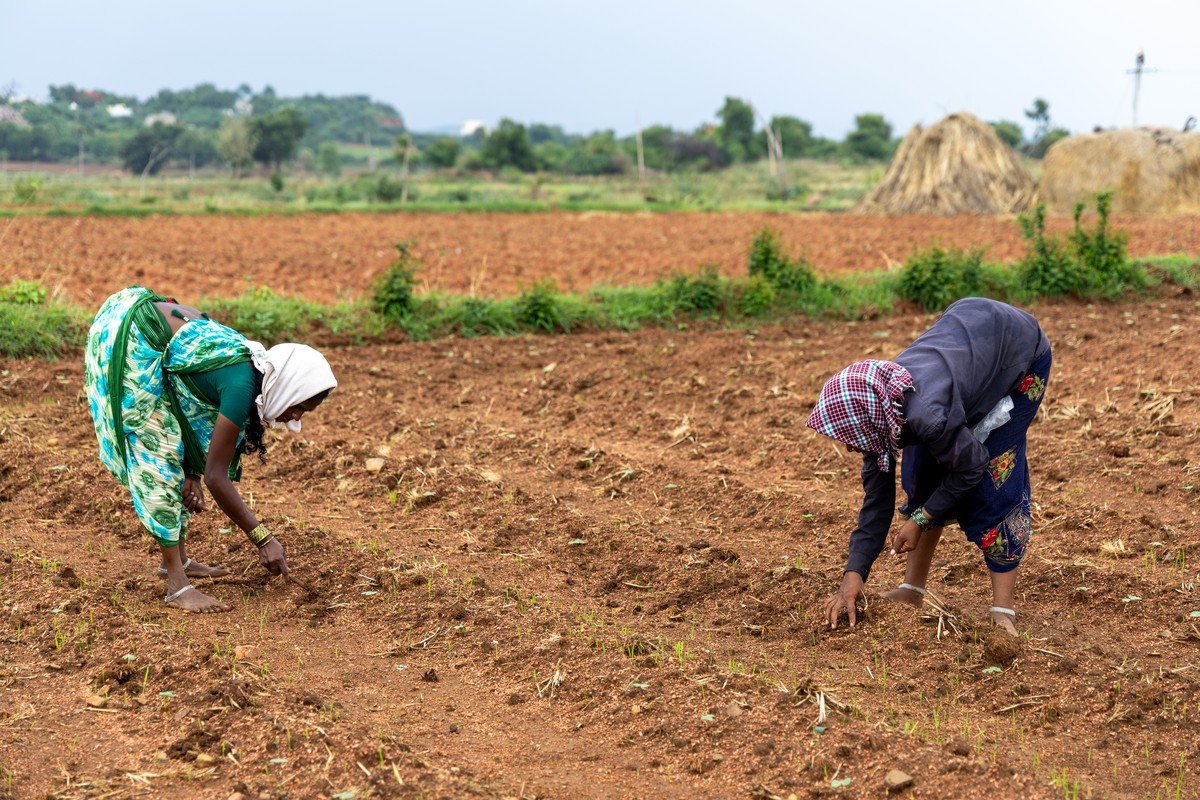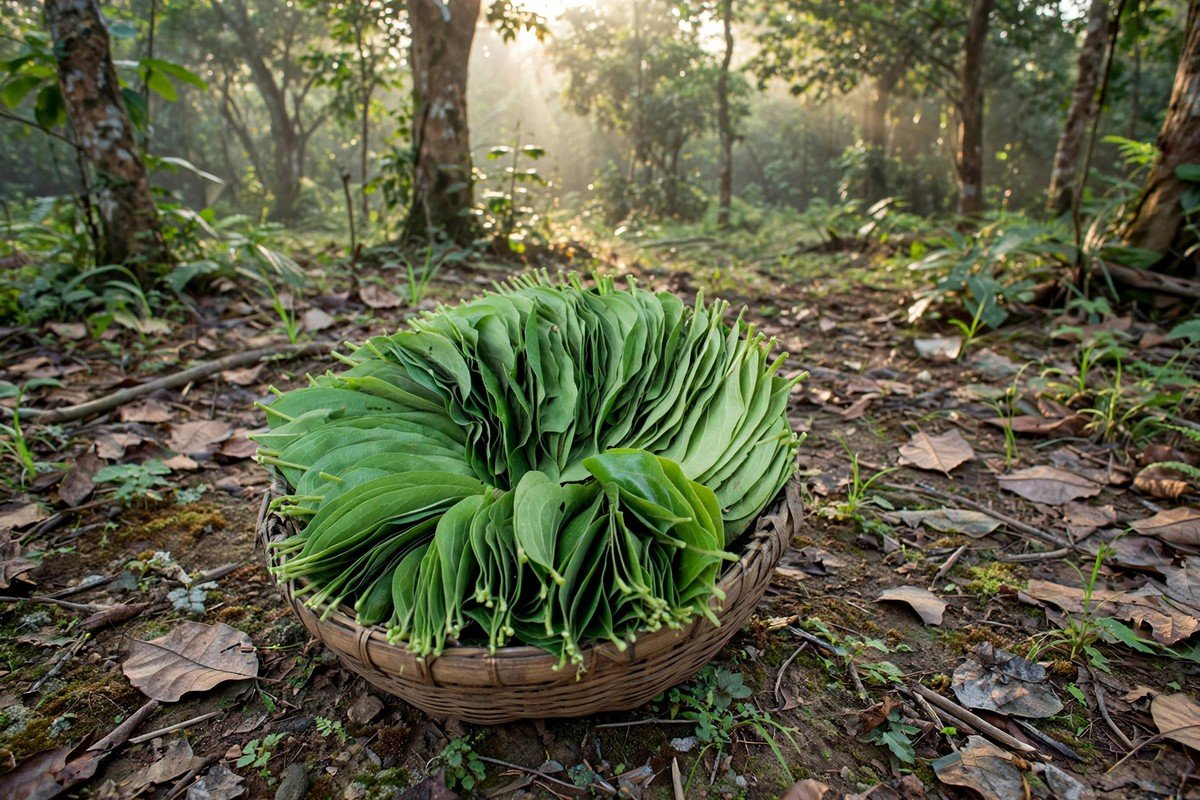


Bhopal Bureau. The agricultural mandis of Madhya Pradesh (MP) will now remain open even on holidays. The decision brings big relief to soybean and maize farmers across the state, who will no longer have to wait for the next working day to sell their produce.
What Changed: MP Mandis Open on Holidays for Farmers
Until now, farmers who reached a mandi on a public holiday found the gates closed and auctions suspended. Loaded trolleys either had to turn back or wait outside the mandi premises until the next working day, adding cost and uncertainty to every trip. Under the new arrangement, that waiting ends: mandis will function on holidays as well, and trading — including the auction of soybean and maize — will continue without a break in the weekly schedule.
Mandi committees will draw up duty rosters so that weighing, auction and payment counters operate normally on holidays. The move is expected to smoothen arrivals through the week instead of bunching them on the first working day after a holiday.
Why It Matters for Soybean and Maize Farmers
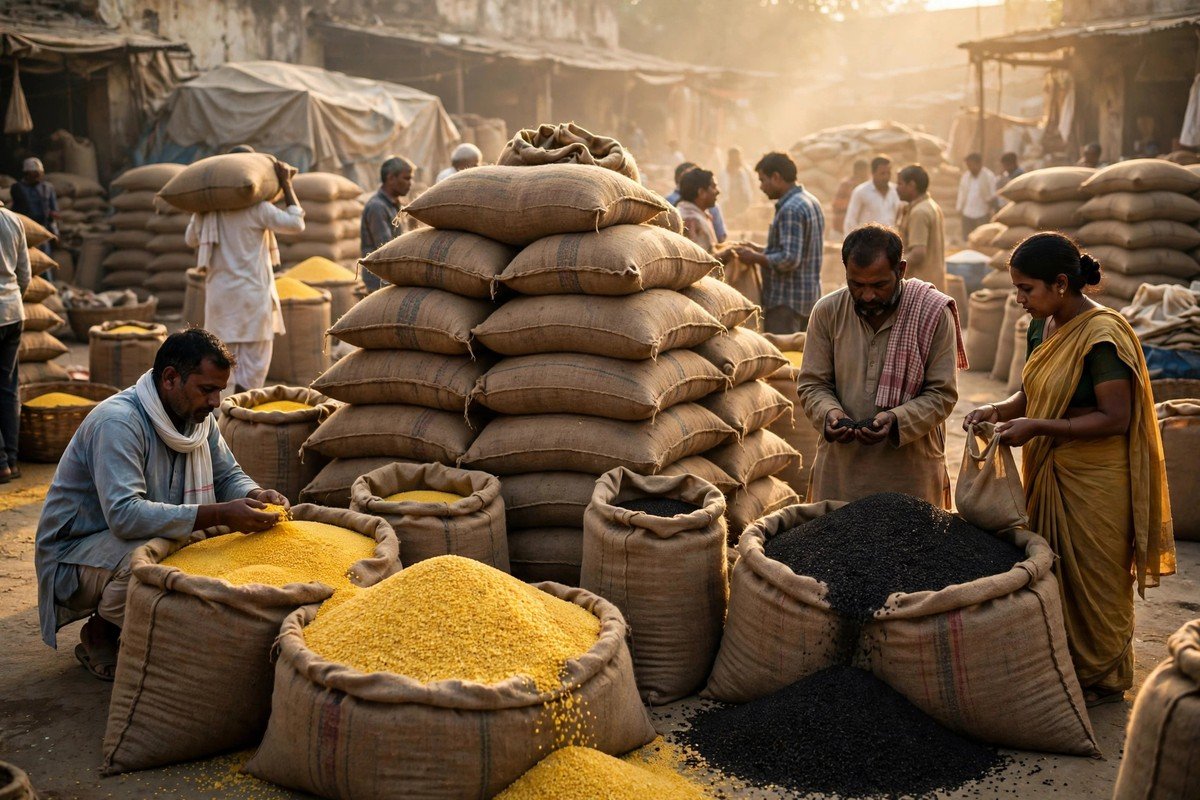
October and November form the peak marketing season for kharif soybean and maize in Madhya Pradesh, and mandis record some of their heaviest arrivals of the year in these weeks. For a farmer, every extra day of waiting has a price. Produce kept in the open faces the risk of moisture and spoilage; a second trip to the mandi means more spending on diesel, labour and handling; and a delayed sale often weakens the farmer’s bargaining position.
With mandis open every day, growers can choose the day that suits their harvest and transport plan instead of planning around holidays. Daily auctions also mean steadier price discovery: instead of a flood of arrivals — and the pressure on prices that comes with it — on the morning after a holiday, trade spreads evenly across the week. For small and marginal farmers, for whom a wasted trip to the mandi is a direct hit on thin margins, the change removes a real and recurring risk.
Procurement Season Context
The decision comes right in the middle of the kharif marketing season, when soybean and maize dominate arrivals at mandis across the state. Alongside open-market auctions, government procurement at the minimum support price operates through designated centres during this window, and any break in the mandi calendar creates backlogs that ripple through weighing, payment and storage systems.
Keeping mandis open on holidays gives farmers more selling opportunities within the procurement window and helps agencies clear arrivals without the pile-up that typically follows a closed day. In recent years the state has pushed transparent, technology-driven auction systems in mandis; extending trading to holidays carries the same logic forward — more trading days, smoother arrivals and fairer access for every farmer who brings produce to the gate.
What Happens Next
Mandi committees are expected to notify local holiday schedules and staff arrangements in the coming days. Farmers are advised to confirm the day’s auction schedule with their local mandi before setting out, and to carry the documents they usually need for sale and registration. Official mandi-related announcements can also be checked on the state agriculture department’s portal. Farmer groups have welcomed the decision, saying that even one extra trading day a week can ease harvest-season pressure and help growers plan their mandi trips better.
Pradesh24News will update this story if the state issues a detailed notification or clarifies how staffing, weighing and payment timelines will work on holidays.
Read the Hindi version of this report here.
Disclaimer: This report has been prepared on the basis of available sources and verification. If any factual error is found, a correction will be published.