









New Delhi Bureau
Electric cars were the clear winners of India’s festive car-buying season, with deliveries surging 69 per cent to 40,122 units in the 32 days from Navratri to Bhaidooj, even as the overall passenger vehicle market shrank and petrol car sales fell sharply.
Festive season delivers a record for electric cars
Electric cars outperformed every other fuel type in customer deliveries during the 32-day festive period that ended on November 11, according to data from Dynamics, reported by The Economic Times. The festive window, which runs from Navratri to Bhaidooj, accounts for 10 to 11 per cent of the Indian automobile industry’s annual sales, making it the most important buying season of the year.
Deliveries of electric cars rose 69 per cent from a year earlier to 40,122 units. The share of electric cars in total retail sales of passenger vehicles increased to 6.9 per cent during the period, up from 3.8 per cent a year earlier. It is the clearest sign yet that electric mobility in India has moved from a niche choice to a mainstream purchase, and that the shift is happening even while the broader market is under pressure.
The comparison comes against a high base. A year ago, the festive buying period was boosted by goods and services tax rate cuts that came into effect on September 22, 2025, coinciding with the major festive buying season. Even against that strong base, electric cars grew by more than two-thirds, while the overall passenger vehicle market contracted.
Petrol, diesel and CNG lose ground
The gain in electric car sales came largely at the expense of petrol cars, which posted a 14.5 per cent fall in the festive period. Petrol car deliveries dropped to 301,000 units from 352,000 units a year earlier, although petrol models still accounted for the largest share of the market. Diesel retail sales declined by 6.8 per cent and compressed natural gas car sales fell by 2.4 per cent.
The broader car market remained subdued, with deliveries to customers falling 7.2 per cent to 581,000 units against 626,000 units in the same period last year. The contrast could hardly be sharper: in a shrinking market, the only segment growing fast was electric.
The same pattern showed up in the October dealer data compiled by the Federation of Automobile Dealers Associations. Alternative-fuel vehicles — electric, CNG and hybrid models together — accounted for 41.83 per cent of passenger vehicle registrations in October, edging ahead of petrol vehicles at 41.6 per cent. Total electric vehicle retail sales across all segments, including two-wheelers and three-wheelers, touched an all-time high of about 3,54,625 units in October, up 44.88 per cent from a year earlier, with overall electric vehicle penetration rising to around 11.5 per cent from about 6 per cent.
Tata Motors stays ahead, Mahindra closes in
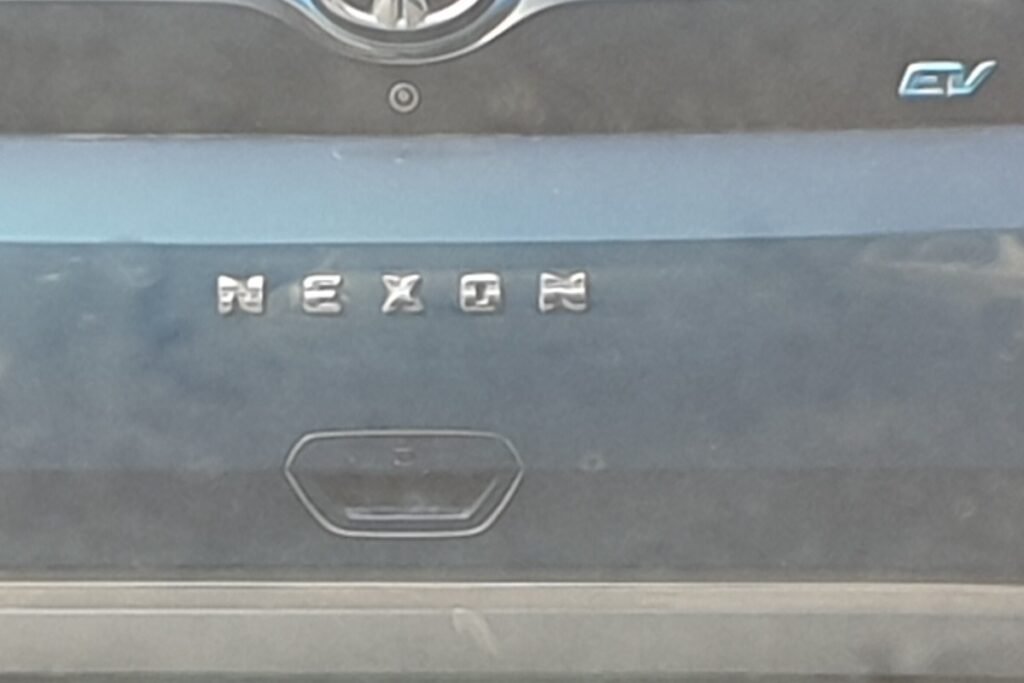
Tata Motors retained its position as India’s largest electric car seller, with festive-period retail sales rising 71 per cent to 16,220 units. Mahindra and Mahindra recorded an even sharper increase, with electric vehicle sales climbing 84 per cent to 9,407 units. Together, the two homegrown manufacturers accounted for nearly 80 per cent of the electric cars retailed during the festive period.
Tata’s lead rests on the widest electric line-up in the country, headed by the Nexon EV, alongside the Punch EV, Curvv EV, Tiago EV and Harrier EV. Tata Motors’ EV sales grew around 90 per cent in the September quarter to more than 47,000 units, and the company has said its dealer inventory of electric cars stands at only about 10 days, a sign of how quickly stock is moving.
Mahindra’s surge has been driven by its born-electric sport utility vehicles, the BE 6 and XEV 9e, along with the newer XEV 9S and XUV 3XO EV. Mahindra recorded its highest monthly electric SUV sales in October, and its rise has taken it past JSW MG Motor into second place in the electric passenger vehicle market for the year so far.
Demand now outruns supply
The growth comes amid clear signs that demand for electric cars is outstripping the industry’s ability to supply them. Tata Motors Passenger Vehicles managing director Shailesh Chandra, responding to a query on the supply-demand mismatch during an earnings call last week, said the company was currently meeting only 60 to 65 per cent of demand for its electric vehicles. Tata is looking to ramp up monthly supplies to nearly 20,000 units over the next two to three months, from around 16,000 currently.
Mahindra has said it has been unable to fully leverage the opportunity in electric SUVs because of capacity constraints. Its electric vehicle production capacity of 8,000 units a month is expected to increase by 4,000 units by February-March. Mahindra executive director Rajesh Jejurikar, speaking at the company’s post-earnings media interaction on November 5, said the shift towards electric vehicles was unlikely to reverse even if crude oil prices eased, as consumers were increasingly recognising the savings on running costs and becoming more familiar with electric vehicles.
Factory dispatches also point to a strong pipeline. The Society of Indian Automobile Manufacturers reported double-digit growth in dispatches from factories in October, ahead of the main Diwali festival, as manufacturers stocked dealerships for the festive rush.
A year of milestones: 3 lakh electric cars and counting
The festive surge caps a record year for electric cars in India. According to Vahan registration data analysed by Autocar India, 3,04,701 electric passenger vehicles were delivered to customers between January 1 and November 9, 2026, a 66 per cent increase over the same period last year. With 52 days still to go before the calendar year ends, the segment has already exceeded the whole of 2025, when 1,95,571 electric cars were sold, by a margin of 56 per cent.
Monthly sales crossed 30,000 units for the first time in June, at 33,640 units, and have stayed above that level for five consecutive months since. September was the best month so far with 38,440 units, followed by October with 37,516 units, and the first nine days of November added another 10,031 units. The third quarter, from July to September, was the strongest yet with 1,04,744 units sold, up 87 per cent year on year. If the momentum holds, the segment is expected to close 2026 with record retail sales of 3.5 lakh to 3.6 lakh units.
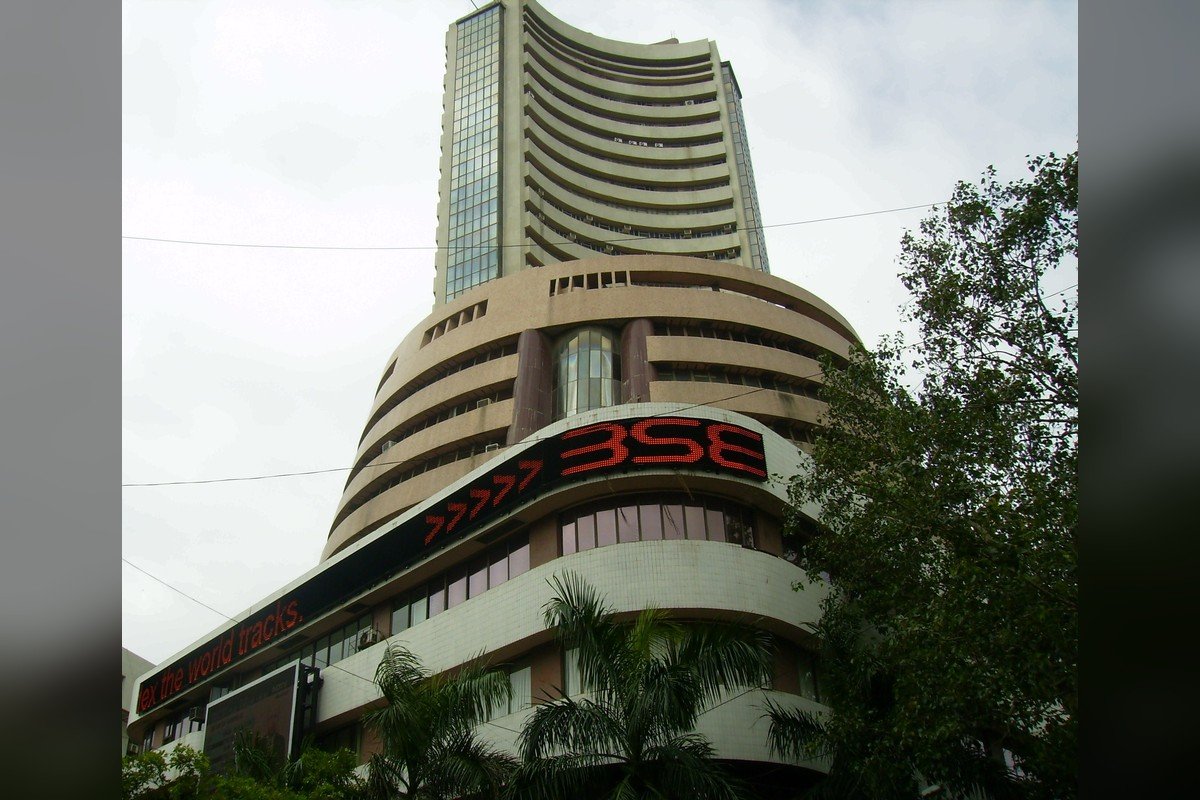
The stock market has noticed the same shift. On Monday, the Sensex crossed 82,200 as record foreign investor buying powered a rally, with auto stocks among the names in focus as investors priced in the festive demand picture.
Beyond the top two, the field is widening
Tata Motors leads the year-to-date tally with 1,20,895 electric cars sold, a share of nearly 40 per cent, and became the first Indian electric carmaker to sell more than 1,00,000 units in a single calendar year at the end of September. Mahindra is second with 69,660 units and a 23 per cent share, up from 19 per cent a year ago, when it ranked third.
JSW MG Motor is third with 56,988 units, led by the Windsor EV, followed by Vietnamese maker VinFast with 15,867 units in its first full year and a half in India. Maruti Suzuki, the country’s largest carmaker overall, has sold 12,390 electric cars, all of them the e-Vitara, and is expected to raise domestic production with a new manufacturing line at its Hansalpur plant in Gujarat. Kia, BYD, Hyundai and Tesla make up the rest of the top ten, while luxury electric cars have grown 29 per cent this year to 7,323 units, led by BMW.
The widening field matters because it shows the boom is no longer a two-company story. Nineteen manufacturers now sell electric passenger vehicles in India, and new models, battery-as-a-service ownership plans and longer driving ranges are pulling in buyers who a year ago would have defaulted to petrol.
What next: capacity, charging and the road ahead
The next test is November itself. Diwali fell on November 8 this year, so the full month’s numbers will show whether the festive momentum carried through the year’s biggest buying days or whether October’s supply constraints capped the upside. The early signs are encouraging: the first nine days of November alone added 10,031 electric car deliveries, and manufacturers are adding capacity as fast as component supplies allow.
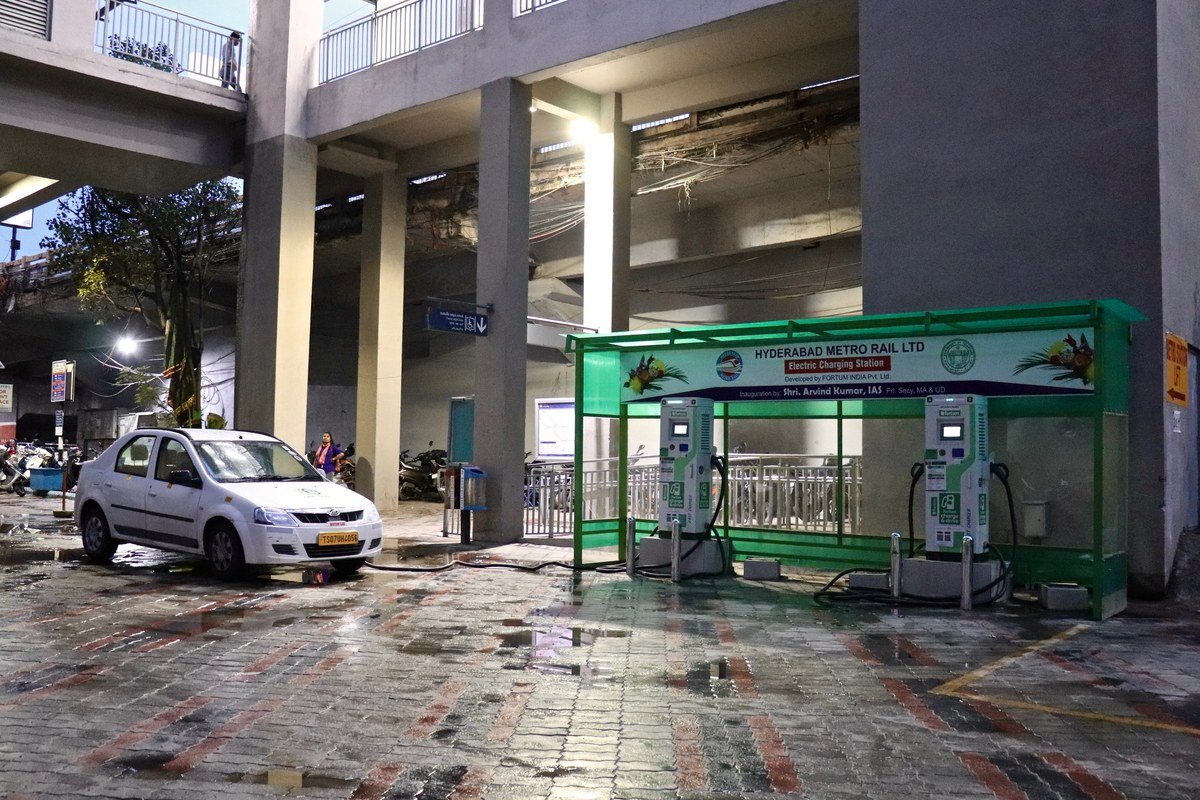
Charging infrastructure is the other half of the story. Public charging points are spreading from metro stations and highways into smaller towns, and the sight of an electric car plugged in at a Hyderabad Metro station has become routine rather than remarkable. For buyers, the calculation is increasingly simple: lower running costs, more models to choose from and a charging network that is finally keeping pace with the cars.
If supply catches up with demand in the coming months, as both Tata Motors and Mahindra say it will, 2026 will be remembered as the year electric cars stopped being the future of the Indian car market and became its present. The festive season’s 69 per cent jump, in a market that shrank 7 per cent overall, is the number that marks the turn.
डिस्क्लेमर: यह खबर उपलब्ध स्रोतों और सत्यापन के आधार पर तैयार की गई है। किसी तथ्य में त्रुटि होने पर सुधार प्रकाशित किया जाएगा।