








Desk Report
The Rahul Gandhi Columbia University fireside chat in New York on Tuesday turned into a sharp attack on the state of the Indian economy, with the Leader of the Opposition in the Lok Sabha declaring that India is “sitting on an economic disaster”. The event, hosted by the university’s School of International and Public Affairs, drew an immediate and angry response from the Bharatiya Janata Party (BJP), which accused him of running India down on foreign soil and pointed to growth forecasts of about 7 per cent for the current financial year.
Rahul Gandhi Columbia University: what he said
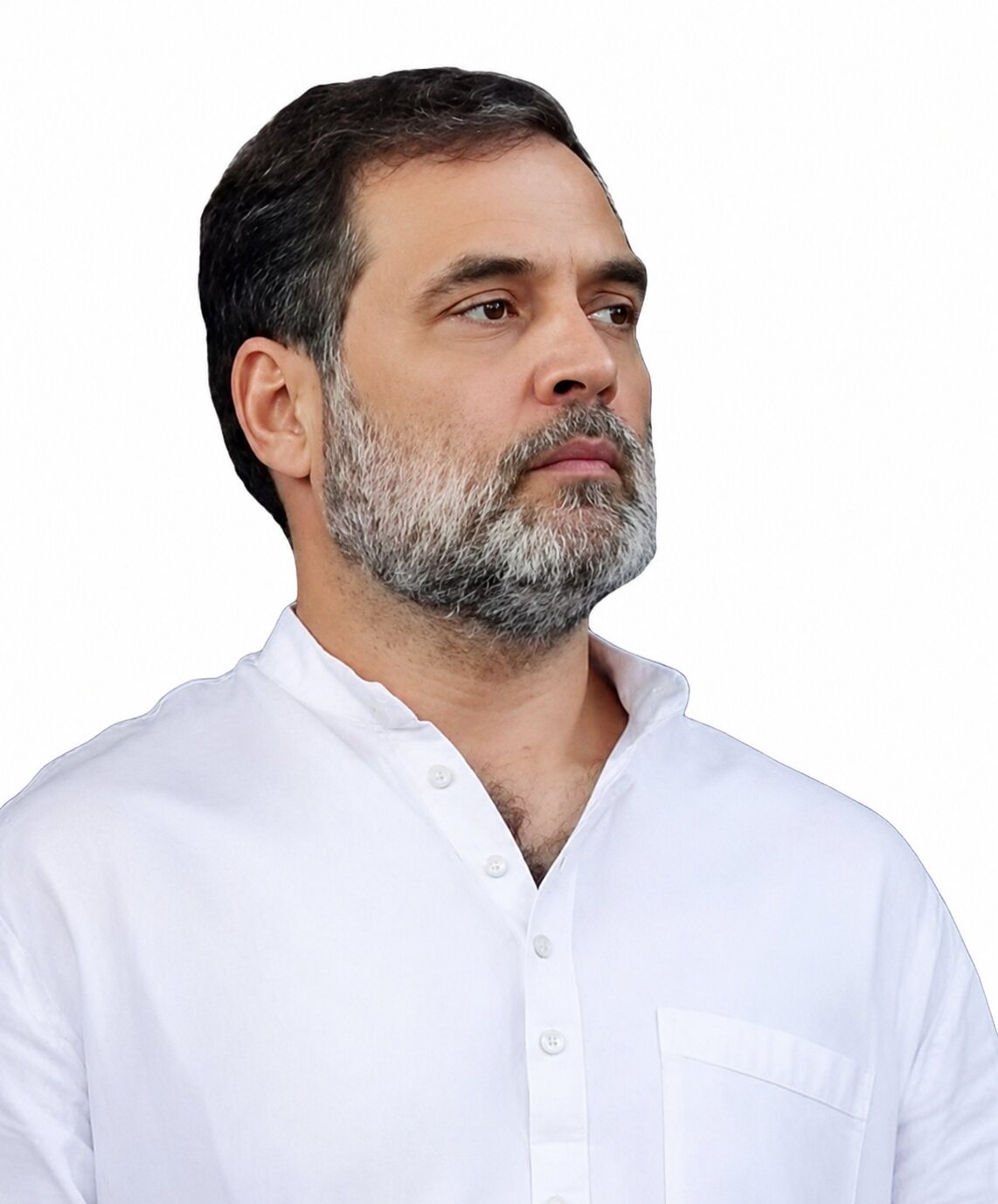
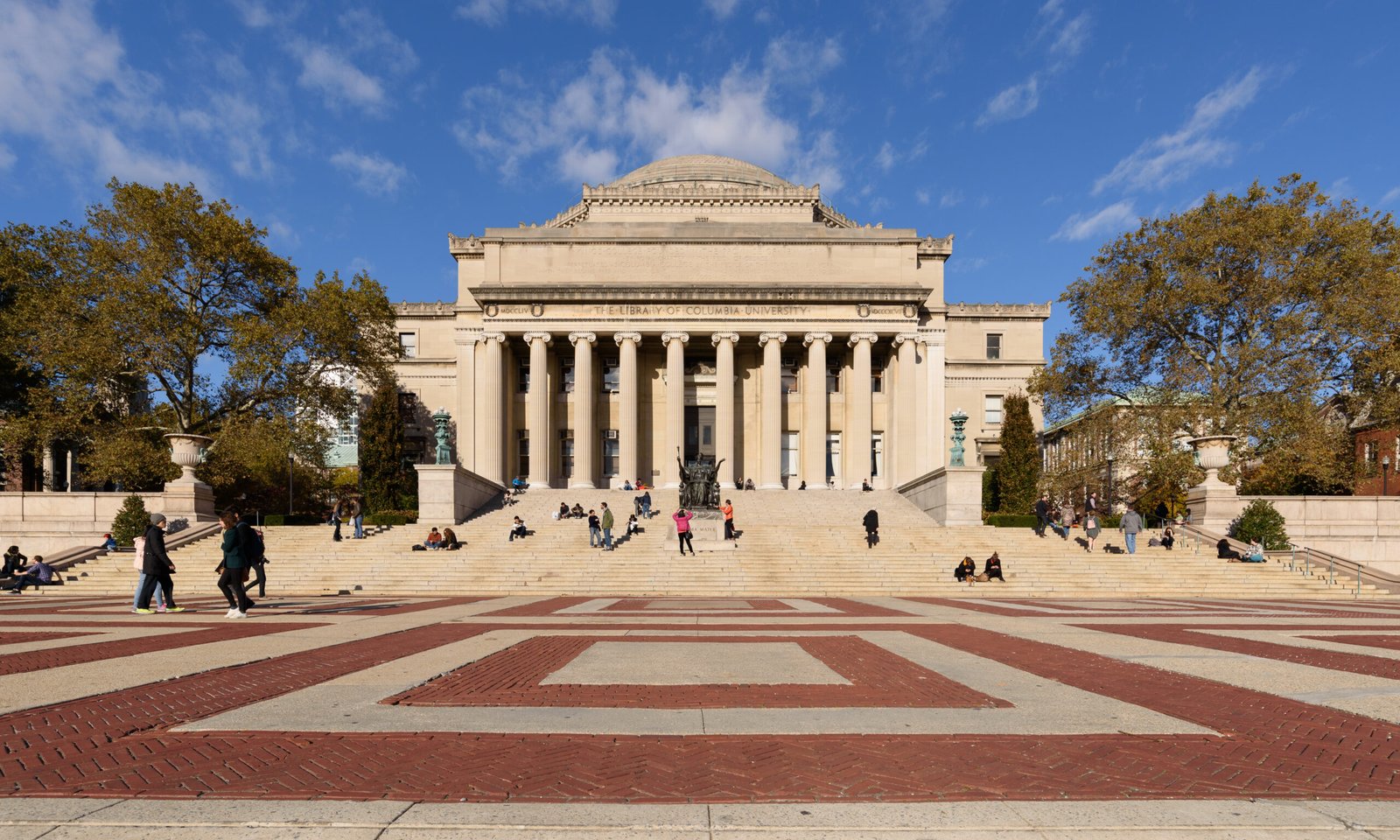
Gandhi was speaking at a fireside chat at Columbia University’s School of International and Public Affairs (SIPA) in New York on Tuesday, 17 November, in a conversation moderated by Lydia Polgreen. According to reports, he addressed hundreds of students and faculty members at the event. His central charge was blunt.
“The blunt thing is that India is sitting on an economic disaster. That’s the reality of it. One can brush it aside, the media can brush it aside. But India has got a massive unemployment problem. India’s got a massive problem with its education system,” Gandhi said, according to news agency PTI, as reported by The Indian Express.
Gandhi argued that India’s economic model has “stopped giving results almost a decade ago” and that the backbone of the economy has been broken. He said the government’s Make in India and Start-up India programmes had failed to revive that backbone, and he questioned why private investment in the country remains weak. The Congress leader also repeated his charge that India’s electoral system is under threat, saying that once elections are rigged, politics stops, and describing the alleged rigging of elections as the biggest threat to democracy in India.
Jobs, manufacturing and the education system
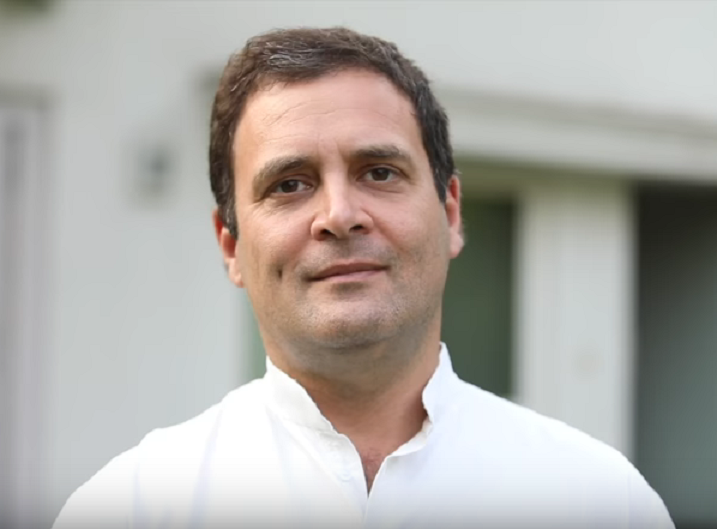
Jobs were at the centre of Gandhi’s argument. He said services alone cannot create work for enough people. “You cannot give enough people jobs through services. It cannot be done. You can give 1%, 2%, 3%, 5%… We cannot survive successfully without manufacturing, it just cannot be done,” he said.
According to Gandhi, many young Indians, especially educated young people from the middle class, are frustrated because they do not see a future for themselves. He said the frustration stems from the lack of secure jobs and from an education system that he said is failing to prepare young people for work.
Gandhi also said the country cannot build a successful economy without a strong manufacturing base, and he linked the jobs crisis to the weakness of private investment.
‘The spine of the economy is broken’: small businesses and agriculture
“The spine of the economy is small and medium businesses, which are the job creation engine, and agriculture,” Gandhi said. His argument was that small and medium enterprises and farming are the parts of the economy that actually create jobs — and that they have been weakened.
According to Gandhi, it is this weakening that explains why growth is not translating into jobs. He said a new approach was needed, one that rebuilds the productive base of the economy rather than relying on services alone.
BJP response to Rahul Gandhi Columbia University remarks
The BJP hit back within hours. Its national spokesperson, Pradeep Bhandari, said Gandhi “has become the leader of anti-India propaganda”. “Rahul Gandhi’s inherent hate for India’s progress & Indian democracy makes him speak ill about India every time he goes abroad!” Bhandari said, adding that Gandhi “is a disaster as a responsible LoP”.
BJP national spokesperson Gaurav Bhatia was equally sharp, calling Gandhi “immature, anti-India, and the ‘Mir Jafar’ of India” and accusing him of defaming the country with “baseless, false, anti-India statements” on foreign soil. BJP leader C R Kesavan accused Gandhi of spreading “toxic lies” and indulging in “third-rate politics”.
The party’s response underlined its long-standing complaint: that Gandhi uses foreign visits to attack the government and Indian institutions, and that his criticism damages India’s image abroad.
Growth numbers and the poverty debate
The BJP’s rebuttal rested on growth and poverty figures. Its national media convenor, Ashish Usha Agarwal, said: “While the world recognises India as one of the fastest-growing major economies, Rahul Gandhi is busy portraying India as an ‘economic disaster’.”
Agarwal cited projections by the International Monetary Fund (IMF) and Moody’s of about 7 per cent growth for India in the financial year 2026-27, professional forecasters surveyed by the Reserve Bank of India estimating 7.1 per cent, and Goldman Sachs projecting 6.9 per cent real GDP growth in 2026. Citing a World Bank report, the BJP said poverty at the lower-middle-income benchmark had fallen from 57.7 per cent to 16.1 per cent, lifting an estimated 496 million people out of poverty.
The exchange is not new. Gandhi had earlier described the Indian economy as a ‘dead economy’, a charge the BJP countered with a Goldman Sachs forecast of 7.2 per cent growth. The two sides have since offered sharply different readings of the same numbers — the government pointing to growth and poverty reduction, the Opposition pointing to jobs and incomes. The debate over whether headline growth is reaching ordinary Indians is likely to continue.
The US visit: New York, Chicago and the wider tour
The Rahul Gandhi Columbia University event was the first engagement of a two-day visit to the United States. Gandhi arrived in New York on Tuesday morning, and he is scheduled to visit the University of Chicago on November 18.
Gandhi also touched on the debate over immigration in the United States, saying it was only a small percentage of a much larger problem, and that a large part of India’s problems was caused by the state of its economy and the way it treats its people.
Despite his criticism, Gandhi said he remains optimistic about the country. “I am very optimistic about India. I worry that we are wasting time,” he said, according to reports. He added that he saw the situation “with quite a positive light”, while noting that the government could react nastily to criticism.
Background: Gandhi’s overseas remarks and the political row
Gandhi’s remarks at Columbia University continue a pattern that has repeatedly drawn fire from the BJP — sharp criticism of the government during visits abroad, followed by accusations that he is maligning India before foreign audiences. The BJP has made the same charge after earlier overseas trips, and the Congress has responded that questioning the government is not the same as questioning the country.
The visit comes in a week in which Gandhi has been in the public eye at home as well. Earlier this week, he paid tribute to his mother, Sonia Gandhi, at the launch of her memoir in New Delhi. His remarks in New York, however, have set off the sharpest political row of the week.
What happens next
After the Rahul Gandhi Columbia University remarks, attention turns to the rest of his US tour. He is scheduled to visit the University of Chicago on November 18 as part of the two-day visit.
Back in India, the political argument over the economy is set to continue, with the government citing growth and poverty figures and the Opposition pointing to unemployment and the state of education. Gandhi has said he remains optimistic about India — but, in his words, he worries the country is wasting time.
डिस्क्लेमर: यह खबर उपलब्ध स्रोतों और सत्यापन के आधार पर तैयार की गई है। किसी तथ्य में त्रुटि होने पर सुधार प्रकाशित किया जाएगा।