










Desk Report
Summary: Elon Musk net worth fell by about $113 billion — roughly ₹10.7 lakh crore — in just two trading sessions after the United States midterm elections. Tesla and SpaceX shares fell sharply, dragging his net worth below $800 billion, though part of the loss was recovered within days.
It was the most expensive week of Elon Musk’s life — at least on paper. Within 48 hours of the United States midterm elections on 3 November 2026, the world’s richest person lost a sum larger than the entire economy of many countries. Elon Musk net worth fell by about $113 billion across Wednesday and Thursday, a drop driven almost entirely by falling share prices at the two companies that hold nearly all of his wealth: Tesla and SpaceX.
Elon Musk net worth: the two-day wipeout in numbers
When markets closed on Tuesday 3 November, election day, Elon Musk net worth stood at about $901.7 billion. On Wednesday 4 November, his fortune fell by $33.5 billion as Tesla and SpaceX shares both slipped. On Thursday 5 November, the fall accelerated: another $79.7 billion was wiped out in a single session. By Thursday’s close, the Elon Musk net worth figure stood at about $785 billion on one leading billionaire index, and about $789.5 billion on another. The small gap between the two estimates comes down to timing and method — each tracker values his stakes at a slightly different moment.
To put the scale in Indian terms, $113 billion converts to roughly ₹10.7 lakh crore at the 5 November exchange rate of ₹94.47 to the dollar. Thursday alone accounted for about ₹7.5 lakh crore of that. The two-day loss left Musk still the world’s richest person by a wide margin — just a much less rich one than he had been on Tuesday.
Tesla and SpaceX on the market
Tesla‘s shares tell the story in miniature. The stock closed at $398.50 on election day, slipped 3.3 percent to $385.19 on Wednesday, and then plunged 10.77 percent to $343.69 on Thursday, touching an intraday low of $338.15 along the way. SpaceX followed a similar path: from $141.31 on Tuesday to $123.62 on Thursday, a fall of 9.05 percent in a single session that pushed the stock below its $135 listing price from June.
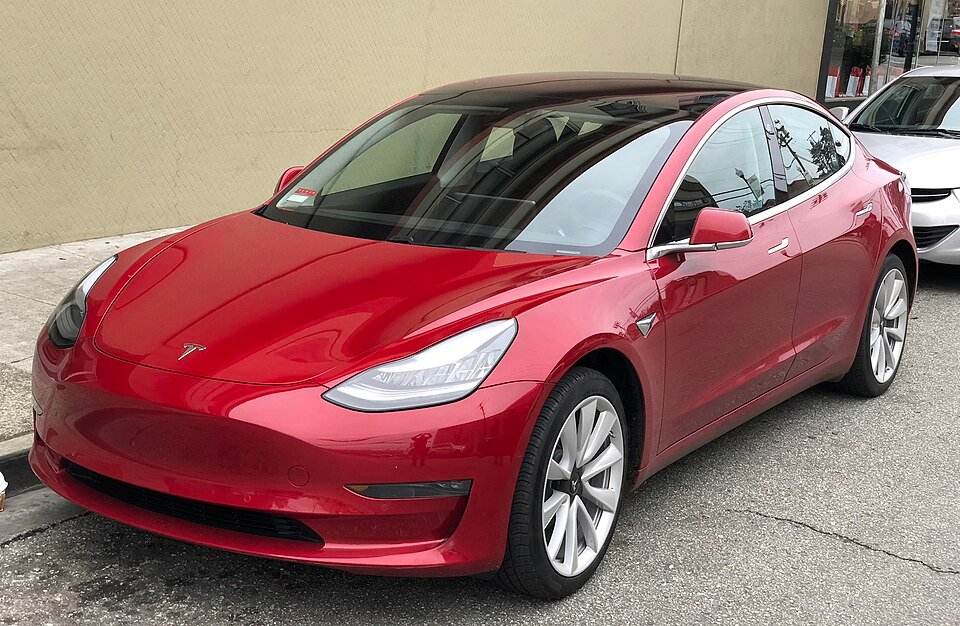
Together, the two companies shed about $456 billion in market value over the two sessions — roughly ₹43 lakh crore — falling from a combined value of about $3.5 trillion to about $3.04 trillion. That company-level figure is far bigger than Musk’s personal loss, and the two should not be confused: the market value counts every shareholder’s stake, while Musk’s personal fortune reflects only his own holdings. Even so, both numbers moved for the same reason. Tesla was already down about 24 percent for the year by the close on 5 November, with shrinking profits and a rich valuation weighing on the stock long before election night.
Why investors sold
The trigger, according to investors and analysts, was the outcome of the midterm elections. Democrats won control of both houses of Congress, and they also swept the key races in Texas — the state where Tesla and SpaceX are headquartered. The new governor-elect defeated Greg Abbott, and the Democratic Senate candidate defeated Ken Paxton.
Investors began to price in a new set of risks. A Democratic Congress could open investigations into Musk’s companies and into his decisions at the government efficiency department he once ran. There was talk of a pause on new data-centre construction, which matters greatly to SpaceX’s growth plans, and of fresh questions over the tax breaks Musk’s companies have long enjoyed in Texas. A proposed closer tie-up between Tesla and SpaceX also began to look harder to complete. One equity analyst summed up the mood by saying that the nail that sticks out gets hammered first — and that Musk, through his donations and his time in government, had stuck out further than anyone.
It is worth noting, though, that the sell-off was not only about Musk. Technology shares fell broadly over the same two days as investors reassessed the artificial intelligence boom, with chipmakers and other high-flying stocks sliding alongside Tesla and SpaceX. The election result was the spark; the wider repricing of technology shares was the fuel.
The midterm bet that backfired
The political backdrop makes the loss all the more striking. Musk spent about $474 million backing Republican candidates in the midterms — the largest amount any single donor has spent in an American election cycle, apart from candidates funding their own campaigns. About $224 million of that went to races in Texas alone.
Almost all of it was, in electoral terms, wasted. Republicans lost control of Congress, lost the Texas governorship and lost the Texas Senate seat Musk had spent so heavily to defend. Measured against his two-day wealth loss, the campaign spending looks tiny: the $113 billion he lost on paper was more than 200 times what he spent on the elections. Musk himself joked afterwards that his efforts had not worked this time.
From trillionaire to below $800 billion
Only five months earlier, the picture could not have been more different. When SpaceX listed its shares in June 2026 at $135 apiece, raising about $75 billion in the largest public offering in history, Musk’s fortune crossed $1 trillion for the first time — making him the world’s first trillionaire. Some trackers put him as high as about $1.3 trillion by mid-June.
The road since then has been volatile. His fortune fell sharply in August and again in October, before the November slide took it below $800 billion. He still holds about half of SpaceX and a large stake in Tesla, so every swing in those two share prices moves his fortune by tens of billions of dollars. That concentration is the whole story: his wealth is not a bank balance, it is a valuation, and valuations move with the market.
The rebound
The slide did not last. On Friday 6 November, Tesla and SpaceX shares steadied, and Musk recovered about $45.2 billion in a single day, pushing his fortune back above $800 billion. Tesla closed Friday at $358.22, then rose to $378.05 on Monday 9 November and $379.78 on Tuesday 10 November. The recovery underlines the nature of the loss: no shares were sold, no cash left any account, and the fortune was rebuilt as quickly as it had been marked down.
What to watch next
Several things will decide whether the recovery holds. The first is what the new Congress actually does — whether investigations are opened, and whether data-centre rules are tightened. The second is Texas, where the incoming administration’s attitude to the tax breaks and incentives enjoyed by Musk’s companies is still unknown. The third is Tesla itself: the company has said it will wind down Cybertruck production by mid-2027 and bet instead on its driverless Cybercab, and its annual shareholder meeting falls on 3 December. The proposed Tesla–SpaceX combination, meanwhile, remains unresolved.
For readers in India, the episode is a reminder of how closely wealth, politics and stock markets are now tied together in the United States — and of how quickly a fortune built on two companies can be repriced. Musk remains the world’s richest person, and by an enormous distance. But the week of the midterms showed that even the largest fortune ever recorded can lose more than ₹10 lakh crore in the time it takes to count two elections.
Disclaimer: This report is based on available sources and verification. If any fact is found incorrect, a correction will be published.