


Bhopal Bureau
Summary: Madhya Pradesh will start the Veer Bharat Fellowship to promote research on Indian history, culture and heritage. Every year, two researchers will receive Rs 12 lakh each for one year. Proposals for a tribal museum in Betul and the Veer Bharat Museum at Ujjain’s Kothi Mahal have also been approved.
Madhya Pradesh has taken a decision that gives a new direction to research on Indian history, culture and heritage. Chief Minister Dr. Mohan Yadav chaired a meeting of the working committee of the Veer Bharat Nyas at the Mantralaya on Monday, in which the Veer Bharat Fellowship was approved along with proposals for two museums. The decision comes at a time when the state has been consistently emphasising the preservation, research and promotion of its cultural heritage. The decisions taken in the meeting are expected to benefit researchers, students and tribal heritage together.
The purpose of the Veer Bharat Fellowship is to encourage serious research on India’s glorious past, its ideas and its cultural traditions. The fellowship will be for researchers who want to work on different aspects of Indian history and culture. Along with the fellowship, the approval of two museums will take the scope of research beyond books and papers into museum galleries, where ordinary people will also be able to connect directly with this heritage.
What is the Veer Bharat Fellowship
The Veer Bharat Fellowship is being started to promote research on Indian history, culture and heritage. Under it, two researchers will be selected every year, and each researcher will receive a fellowship of Rs 12 lakh for one year. In other words, a total of Rs 24 lakh in fellowship funds will reach two researchers every year. The fellowship period has been kept at one year so that a researcher can work on a subject with focus and depth.
The fellowship will promote research on history from ancient times to modern India. It will include the study of thinkers, artists and scientists who contributed to nation-building. Research on the culture of the country and the state will also fall within its scope. In this way, the fellowship will not remain limited to political history alone; it will attempt to understand the full tradition of ideas, art, science and society.
Fellowships carry great importance in the world of research, because they give a researcher the opportunity to work on a subject with financial security. An annual amount of Rs 12 lakh will help a researcher with study tours, examination of sources, field visits and writing work. It will also encourage young people and researchers who want to work on India’s intellectual traditions and heritage but are held back by a lack of resources.
Aranyak Yugyugeen tribal museum to come up in Betul
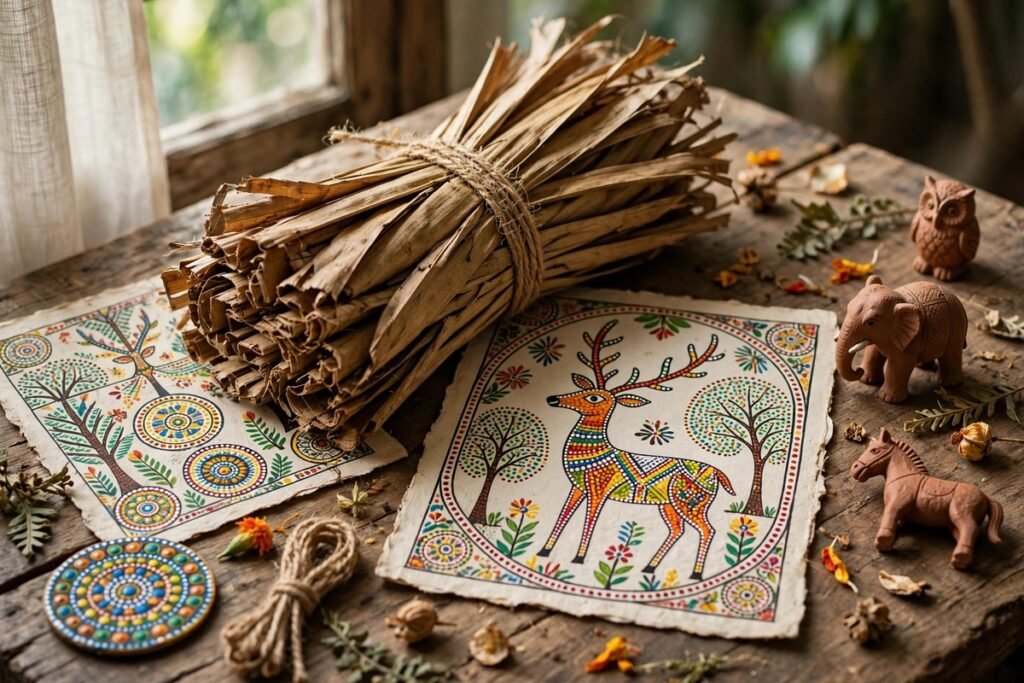
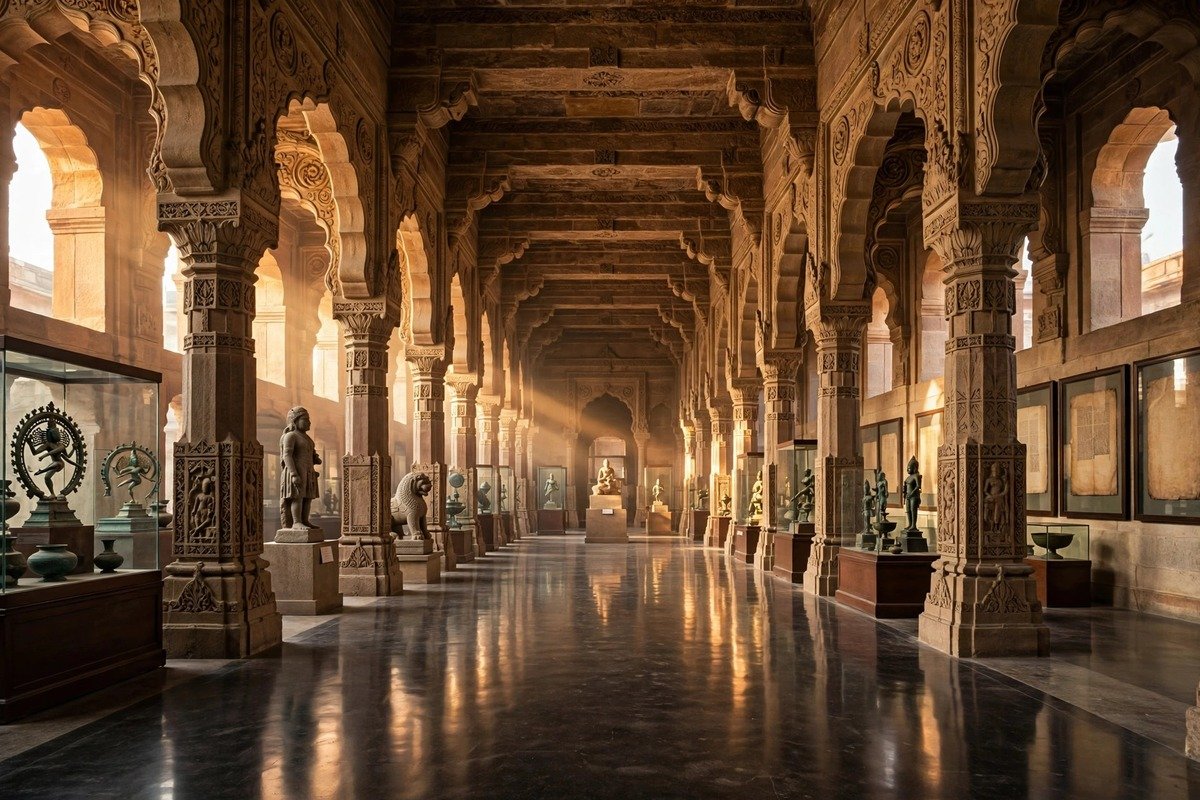
The meeting also approved the proposal to set up the Aranyak Yugyugeen tribal museum in Betul with the cooperation of the central government. The museum will have a tribal history gallery, an exhibition on the tribal freedom movement, a tribal research centre and a digital repository. This will be an effort to bring forward the history, culture and contribution of tribal society in the freedom struggle.
Betul district is known for its tribal identity, forest wealth and cultural traditions. The tribal communities here have their own folk art, customs, costumes and way of life, and this museum will help preserve and display them. The tribal research centre will also give researchers working on this subject a base where they can study sources, documents and oral traditions. The digital repository will keep this material safe for future generations, and researchers sitting far away will also be able to access it.
It is worth noting that the establishment of a tribal museum in Betul had been announced earlier as well. During the Chief Minister’s visit to Betul on 31 October, while giving a package of development works to the district, he had spoken of building a tribal museum. Now the working committee of the Veer Bharat Nyas has formally approved the proposal, and the central government’s cooperation will also be taken in it. This is being seen as a concrete step towards putting this project into practice.
Veer Bharat Museum at Ujjain’s Kothi Mahal
The meeting also approved the proposal to build the Veer Bharat Museum at the Kothi Mahal in Ujjain. The museum will display India’s glorious history and cultural heritage. What is special is that valour in it will not be limited to war and bravery alone; the contributions of sages, teachers, mathematicians, social reformers, lawmakers and pilgrims will also find a place in it.
The museum will attempt to show that India’s identity has been formed not only by its military strength but also by its traditions of knowledge, thought, social unity, sacrifice and creativity. At the meeting, the Chief Minister said that it is necessary to introduce the world to India’s inner strength and its tradition of thought. The aim of the Veer Bharat Nyas is to connect ordinary people with the glorious and brave past of the country, so that the new generation understands its history not merely in books but as a living experience.
The plan to build the museum at Ujjain’s Kothi Mahal has been in progress for some time. Its foundation stone has already been laid, and a cost of around Rs 20 crore was mentioned for it earlier. Now, with the approval of its proposal in the working committee meeting, this project is also expected to gain fresh momentum. Ujjain’s history is considered extremely ancient, and this town has held its own importance in every age, so a museum built here could become a centre of attraction for tourists and researchers from across the country.
Who attended the meeting and what happened
Monday’s meeting of the working committee of the Veer Bharat Nyas at the Mantralaya was chaired by Chief Minister Dr. Mohan Yadav. Minister of State for Culture Dharmendra Bhavsingh Lodhi joined the meeting virtually. Chief Secretary Ashok Barnwal, Additional Chief Secretaries Neeraj Mandloi, Manish Rastogi and Shivshekhar Shukla, along with other officials, were also present. The proposals related to the fellowship, the tribal museum and the Veer Bharat Museum to be built in Ujjain were discussed and approved at the meeting.
Information about the Nyas’s film festival, musical presentations and social media activities was also shared in the meeting. In other words, the work of the Nyas is not limited to museums and fellowships alone; it is also taking India’s heritage to people through film, music and digital media. Activities of this kind carry the message of heritage to the younger generation through modern media, which is extremely important in today’s times.
What the Veer Bharat Nyas does
The Veer Bharat Nyas has been organising cultural, literary, social, spiritual and national-consciousness programmes since 2024. Under it, the Sadanira Samagam and the Mahabharat Samagam in Bhopal and the Mahakaleshwar Mahotsav in Ujjain have already been organised. Through these events, the Nyas has given a platform to different dimensions of Indian culture, where literature, music, drama and discussion come together.
The work of the Nyas is not limited to events alone. It is also working to preserve heritage through research, design and cultural projects. The new proposals for the fellowship and the museums are the next steps in this direction. When researchers receive fellowships and heritage is displayed in museums, the work of the Nyas will move forward simultaneously on two levels — study and display.
What the fellowship means for researchers and young people
The most direct benefit of the Veer Bharat Fellowship will go to researchers and young people who want to work on Indian history and culture. Often, researchers working on good subjects face financial challenges. Receiving a fellowship of Rs 12 lakh for one year will allow them to focus on their research without financial pressure. This will improve the quality of research and increase the courage to work on new subjects.
The scope of the fellowship extends from ancient times to modern India, so there will be room in it for students of history as well as researchers in culture, art, literature and science. Research on the works of thinkers, artists and scientists who contributed to nation-building will also develop the understanding that India’s progress was shaped not only by political events but also by ideas and creativity. Together with the tribal research centre, this fellowship can also strengthen the study of tribal history and culture.
What happens next
The proposals for the fellowship and both museums have been approved in the meeting, but the detailed framework for their implementation will be decided further. The selection process for the fellowship, the scope of subjects and information related to applications will be shared by the Nyas in due course. Similarly, the form of the central government’s cooperation in Betul’s tribal museum and the next stages of the Ujjain museum will also be worked upon in the coming time.
For now, it is clear that a major step has been taken towards giving institutional form to research and preservation of heritage in the state. The fellowship will strengthen research, Betul’s museum will give tribal heritage a permanent platform, and Ujjain’s museum will carry the story of India’s brilliance to the country and the world. The effect of these three decisions will be visible over a long period, when the results of research reach people in the form of books and exhibitions.
Disclaimer: This news has been prepared on the basis of available sources and verification. In case of any factual error, a correction will be published.