



Jabalpur Bureau
Summary: At a felicitation ceremony organised by the Advocate General’s office in Jabalpur, Chief Minister Dr. Mohan Yadav said India’s tradition of justice is not confined to courtrooms but is rooted in Sanatan culture and the Indian way of life — and that the state government has scrapped more than 900 old, redundant laws to bring the system in tune with present-day needs.
Madhya Pradesh Chief Minister Dr. Mohan Yadav reached Jabalpur on Friday, where he felicitated Madhya Pradesh High Court Chief Justice Alpesh Yashwant Kogje at a felicitation ceremony organised by the Advocate General’s office. On the occasion, the Chief Minister spoke at length about justice, the Constitution and the democratic tradition. Public Works Minister Rakesh Singh, Advocate General Prashant Singh, Justice Vivek Rusia and several representatives of the judiciary and the advocate community were present at the ceremony.
What happened at the felicitation ceremony
The ceremony was organised by the Advocate General’s office, Jabalpur. Both the Chief Minister and the Chief Justice were felicitated at the event. Welcoming the Chief Justice to Jabalpur, the Chief Minister wished him a successful tenure and expressed confidence that the state’s judicial tradition would grow stronger under his leadership. The Chief Justice also shared his thoughts on the occasion on the judicial system, the role of advocates and coordination between the Bar and the Bench.
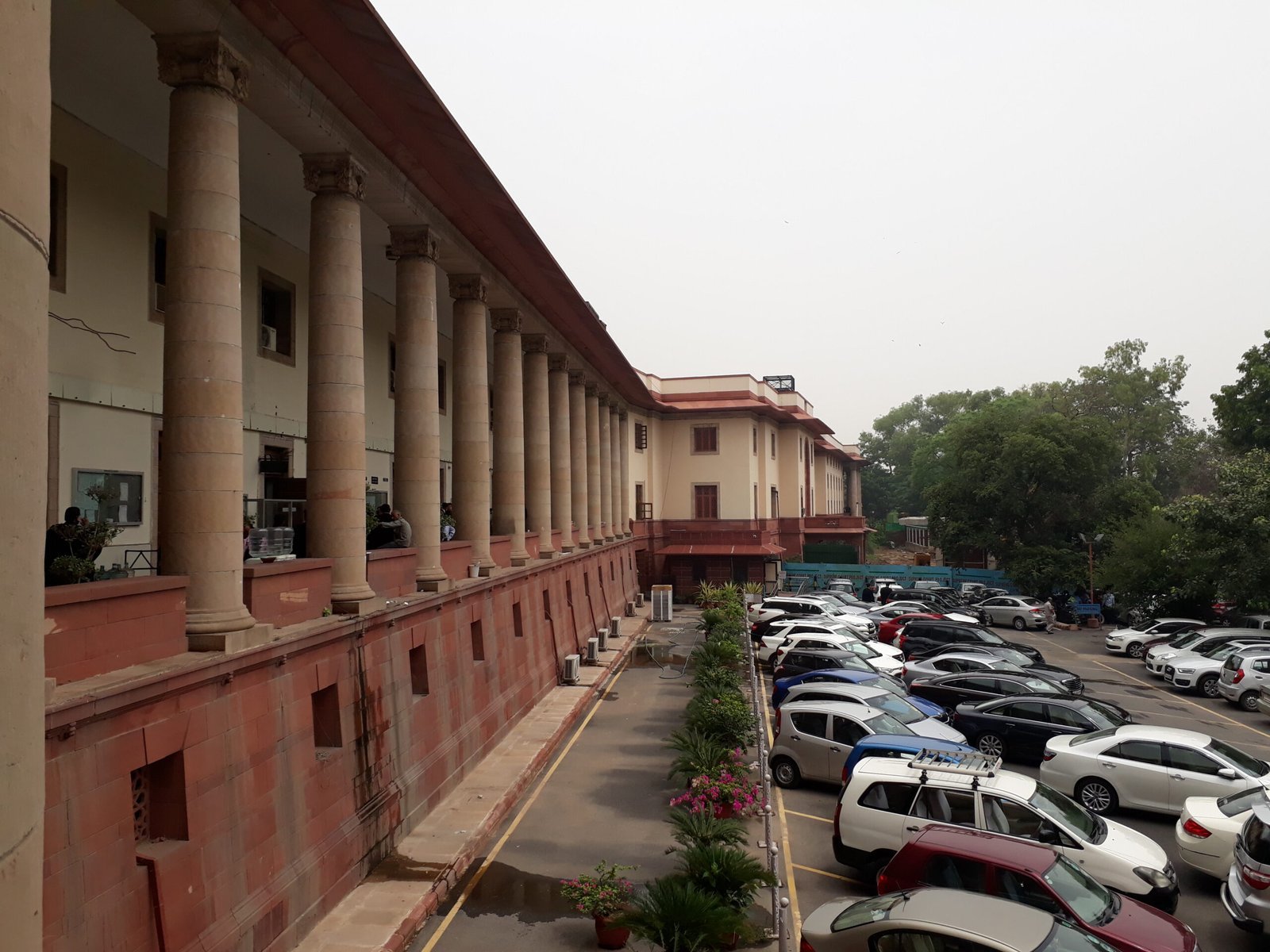
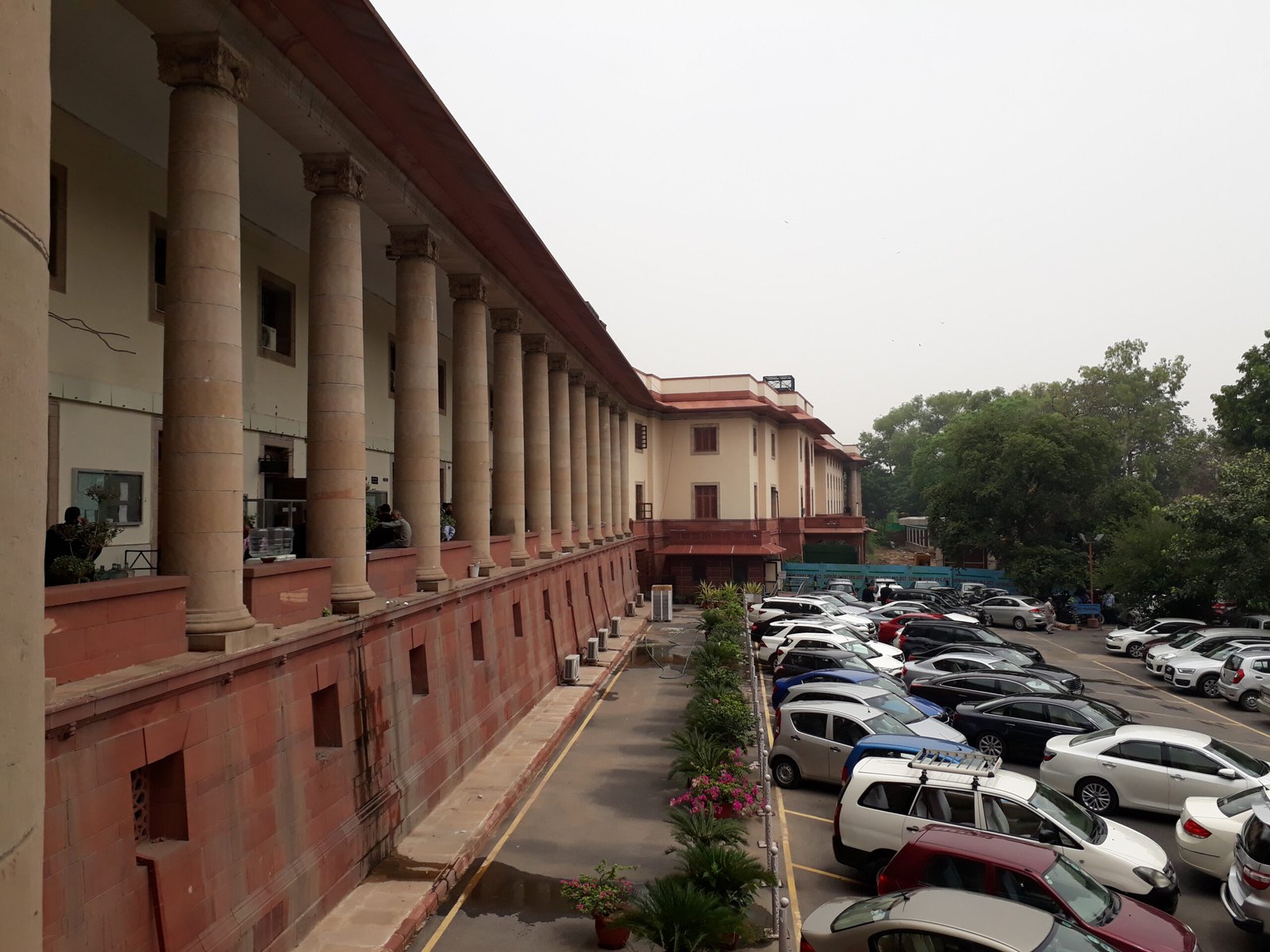
The Chief Minister said such occasions are not limited to formal felicitation alone. They are also moments to renew the resolve towards justice and to recall commitment to constitutional values. Jabalpur is called Nyaydhani because the Madhya Pradesh High Court is located here, and that identity also carries a responsibility towards justice.
Justice tradition is not confined to courtrooms
In his address, the Chief Minister said that if India’s democracy has remained vibrant and strong after Independence, the judiciary has played the most important role in it. While many countries have faced political and social upheaval, India stands firmly as the world’s largest democracy, and the credit for that goes to the tradition of justice. The country’s glorious judicial tradition, coordination between the Bar and the Bench and commitment to the Constitution have strengthened the democratic system.
He said India’s tradition of justice is not limited to the constitutional system alone. The ideals of justice are deeply connected with the country’s culture, literature and social life. He referred to Munshi Premchand’s story Panch Parmeshwar, in which the verdict of the panch is treated as the verdict of God. Similarly, films like Mother India also present examples of justice, morality and duty. These examples show how deeply the commitment to justice and moral values runs in Indian society.
The Chief Minister said India’s democratic tradition has seen many difficult phases. Even during the Emergency, the role of the judiciary and its decisions remained important in the country’s democratic history. The judicial system and constitutional institutions contributed to preserving the basic spirit of democracy. That is why ordinary citizens still have faith in the judicial system today.
More than 900 obsolete laws repealed
The Chief Minister said that under the leadership of Prime Minister Narendra Modi, old colonial-era laws have been scrapped and new laws brought in to make the country’s judicial system fit for present-day requirements. In the same direction, the Madhya Pradesh government has also scrapped more than 900 redundant laws. Many of these were old laws that had no utility in the present day. Some of them dated back more than two hundred years.
He said the purpose of scrapping such laws is to make the system of governance suited to the times. When old and useless laws remain on the books, they create confusion for ordinary people as well as for the administration. Removing them simplifies the system and also speeds up the judicial process. The government’s effort is that laws should be understood by the common man and should make his life easier, not more complicated.
In this sequence, the Chief Minister also said that the beauty of democracy lies in the courts doing their work independently and the government elected by the people discharging its responsibilities. Both institutions have their own constitutional limits and responsibilities. At times it is also challenging to understand in which matter a memorandum should be given and in which matter the court should be approached, but the system runs on clarity and mutual respect between institutions.
Neighbouring countries and India’s democratic strength
Referring to the conditions in neighbouring countries Nepal, Bangladesh and Pakistan, the Chief Minister said India is the world’s largest democratic and most populous country. Even after that, the firm survival of the democratic system is a matter of pride. The judiciary, the Bar and the judicial tradition have made an important contribution to it. He said the world looks towards India because democracy here is not limited to elections alone, but is a part of the way of life.
He said the state government is committed to the preservation and promotion of Sanatan culture. The relationship between culture and justice is deep because both are based on truth, dharma and duty. When these values are strong in society, the judicial system also gains strength and trust among people grows.
Bar and Bench are the foundation of justice
Chief Justice Alpesh Yashwant Kogje said in his address that the Bar and the Bench are two important pillars of the administration of justice. Their roles may be different, but their ultimate objective is the same — protecting the Constitution, safeguarding the rights of citizens and ensuring impartial justice without any fear or favour. The relationship between the Bar and the Bench should be based on mutual respect, institutional independence, professional integrity and a shared commitment to the rule of law.
He said that during judicial proceedings there may be differences of opinion, but these should always be resolved with professional courtesy and shared dedication to justice. Better relations between the Bar and the Bench play an important role in strengthening the judicial system. Praising the role of Advocate General Prashant Singh, he said that working together is necessary to make the judicial system more accessible, sensitive and effective.
The Chief Justice thanked the Chief Minister, the Public Works Minister, judges, the Advocate General, office-bearers of Bar Associations, advocates and other guests for their presence. He told advocates that they should understand their professional responsibilities and carry out their role in society with dignity. Wishing all advocates a bright future, he said they should achieve their goals and earn respect through their work.
Advocate General’s office is like a university
The Chief Justice praised the role of the Advocate General’s office, saying it is an important pillar and stakeholder of the judicial system. The responsibility of the Advocate General is not limited to presenting the government’s side, but also plays an important role in establishing better coordination between the Bar and the Bench. He said Advocate General Prashant Singh is discharging this responsibility effectively.
He described the Advocate General’s office as being like a university, where advocates get wide experience and opportunities to learn. This not only develops their professional capabilities, but also prepares them to shoulder bigger responsibilities in society. Referring to the experience he himself gained from the Advocate General’s office in his home state, he said he too had benefited from this system.
Jabalpur: Sanskardhani and Nyaydhani
Public Works Minister Rakesh Singh said at the felicitation ceremony that Jabalpur is not only Sanskardhani, but also holds a distinct identity as Nyaydhani. Because the Madhya Pradesh High Court is located here, it is also known as Nyaydhani. He said this occasion is not only about felicitation, but also about renewing the resolve towards justice and commitment to it. Commitment to justice and respect for constitutional values are the basis of the strength of the democratic system.
Justice Vivek Rusia, addressing the programme, shared his experiences of practising law in Jabalpur. He said he practised here and later became a judge. Advocacy is a profession in which people from families remain connected generation after generation. After one generation, the second and third generations carry this profession forward. This is the natural process of the system and the profession.
Advocate General Prashant Singh said in his welcome address that the objective of providing every citizen of the state with easy, quick and impartial justice can be fulfilled only through coordination between the judiciary and the legislature. At the same time, the state can establish new dimensions of development and progress. He said leadership plays an important role in establishing coordination between these two constitutional institutions.
What next
Two things are clear from this ceremony. First, the state government is moving ahead in the direction of simplifying the system by removing old laws, and second, institutional respect between the judiciary and the government is considered the basis of the strength of democracy. In the coming time, more steps are expected in this direction, so that justice feels accessible, fast and trustworthy to the common citizen. The ceremony in Jabalpur concluded with the message that justice is not merely a matter for courts, but a part of society’s way of life and culture.
Disclaimer: This news has been prepared on the basis of available sources and verification. If any fact is found to be incorrect, a correction will be published.