










Dubai Bureau. Iran has described the United States’ response to its seven conditions for reopening the Strait of Hormuz as “inadequate”, even as Tehran acknowledged that Washington had accepted “some” of its demands. Mohsen Rezaei, secretary of Iran’s Supreme National Security Council, said in a post on X on Sunday (October 11) that Iranian diplomacy had changed and that there would be “no return to the status quo ante” in relations between the two countries.
The seven-condition offer
During the UN General Assembly, Iran presented a proposal under which the Strait of Hormuz could be reopened and normal maritime traffic restored within seven days if its conditions were met. According to Reuters, the United States conveyed its reply to Tehran through Qatari intermediaries. Quoted by Iranian state media, Rezaei said Iran had presented seven conditions to the Americans and made it clear that the Strait of Hormuz would not be opened to them, and no negotiations would take place, until those conditions were met. According to Al Jazeera, the conditions include an end to the US naval blockade and curbs on Iranian oil sales. Earlier this month, Iran’s parliament speaker Mohammad Bagher Ghalibaf said the strait would remain closed until the US meets the seven conditions, which are based on a 14-point June memorandum of understanding.
Silence from Washington, claims from Trump
Reuters reported that the White House did not immediately respond to a request for comment. US President Donald Trump, speaking at a political event in Tennessee on Saturday, said Tehran could intensify its actions against Washington ahead of the November 3 midterm elections, adding that his administration believes Iran thinks such moves would damage the United States. Trump also claimed that Washington had the capacity to bring the ongoing war to a swift end.
Tankers under fire in the Strait
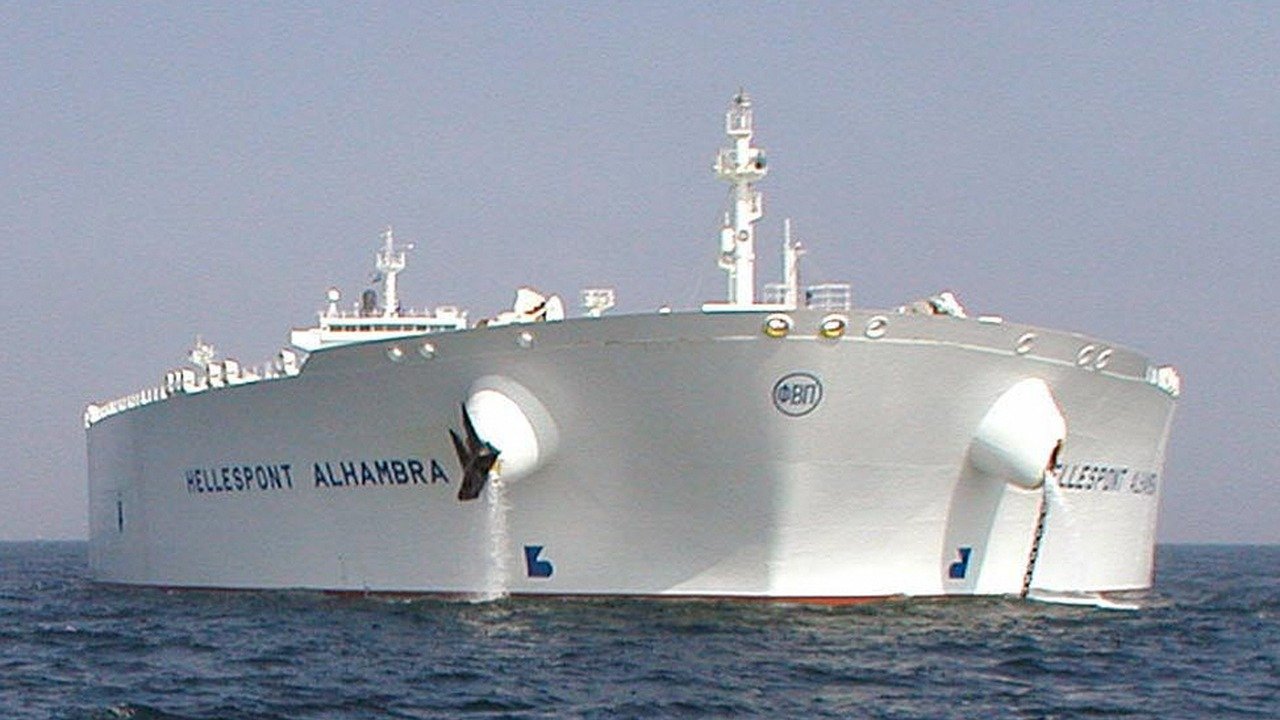
Meanwhile, attacks on shipping in the strait have intensified. Iran’s Islamic Revolutionary Guard Corps (IRGC) says three oil tankers struck naval mines in the Strait of Hormuz over the past 24 hours. A drone attack on the Petro Dolphin off the coast of Oman has left two Indian sailors missing. The IRGC has warned that vessels switching off their navigation systems in the strait would be treated as hostile. The United States, for its part, is deploying additional military forces to the Middle East.
Why Hormuz matters
Before the war, the Strait of Hormuz carried a fifth of the world’s oil and liquefied natural gas. The conflict, which began in late February 2026 with US and Israeli attacks on Iran, has wrecked efforts to secure a ceasefire in the Gulf. Late in September, Tehran received a US response to its proposal to revive the collapsed ceasefire — days after Trump said he had rejected it. Qatar and other mediators have been shuttling messages between Washington and Tehran in a bid to end the standoff and reopen the waterway, but Tehran now says it is no longer in the process of responding to the Americans.