








Desk Report
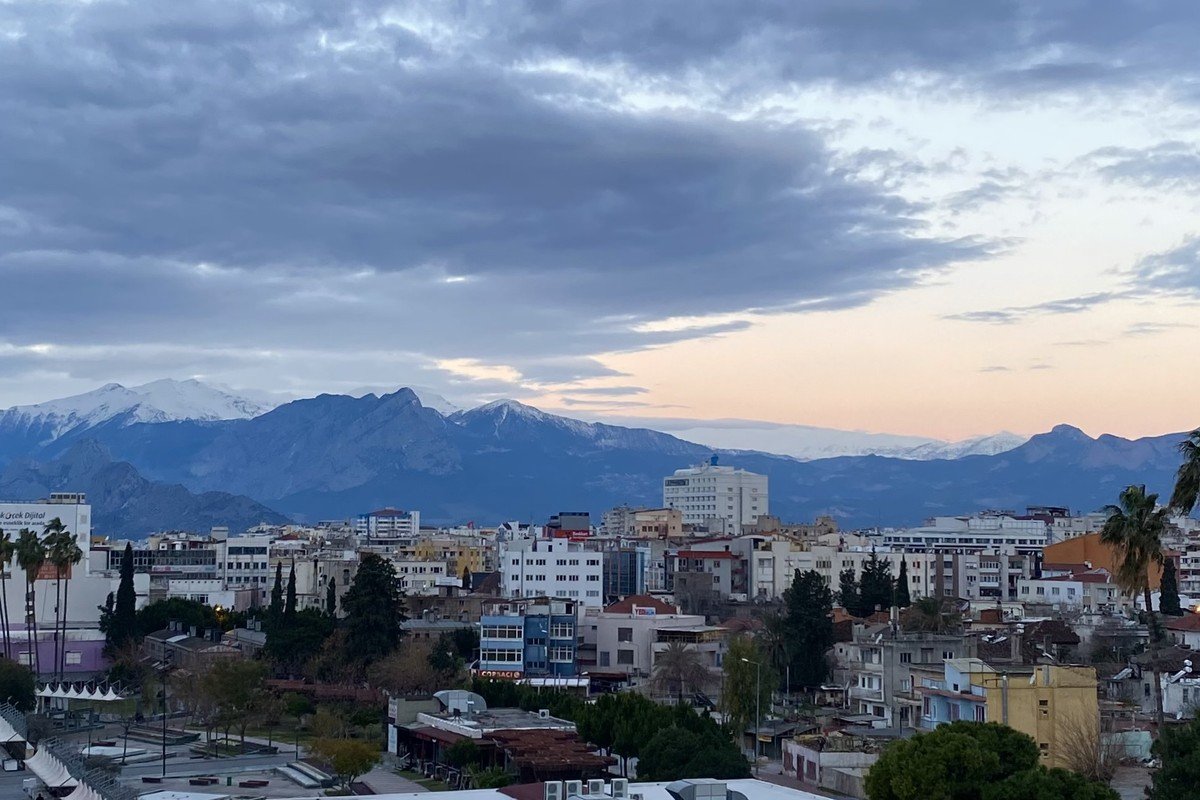
The COP31 climate summit collapse in Antalya on Sunday, 22 November, left nearly 200 countries without a final deal, ending the longest United Nations climate conference in history without an overarching agreement. Negotiations had run 44 hours beyond their scheduled close, but the divide over fossil fuels — the driving force of climate change — proved impossible to bridge.
Talks collapse after record overtime
The summit, co-presided over by Turkiye and Australia, was scheduled to end on Friday, 20 November. Instead, negotiators worked through the weekend in the conference centre on the outskirts of Antalya, and the closing plenary on Sunday ended with the COP31 president, Murat Kurum, acknowledging that there was no consensus to adopt the draft deal, known as the Antalya Pact. “It is clear that there are parties in this hall who oppose this text. We recognize that there is no consensus on this document,” Kurum told the hall, adding that the presidency had done its utmost. The collapse makes COP31 the first major breakdown of the annual UN climate talks since the Copenhagen summit in 2009. The United States was not part of the talks, having pulled out of international climate action under President Donald Trump. The summit opened in Antalya earlier this month, with nearly 200 parties to the Paris Agreement in attendance, including India.
Two words that broke the summit: fossil fuels
At the centre of the failure were two words: fossil fuels. The first draft of the summit’s cover decision, published on Monday, called for the “immediate transition away from fossil fuels in energy systems”. But every mention of fossil fuels was stripped out of the subsequent drafts, even though more than 100 countries pushed to keep the language in, and more than 130 countries had called for a roadmap to move away from oil, gas and coal. The issue has haunted climate talks since COP28 in Dubai in 2023, when countries agreed for the first time to “transition away from fossil fuels“. That call has neither been repeated nor built upon since, as oil-producing nations have resisted any reference to the driving force of the climate crisis. “You cannot solve a fossil fuel crisis by pretending we don’t need to phase out fossil fuels,” said Harjeet Singh, a veteran of the climate negotiations. The European Union, which holds the rotating presidency through Ireland, refused to endorse a deal without the language. “We will not endorse a cover decision, or an Antalya Pact, that does not even mention fossil fuels, which is the key driver of climate change,” said Ireland’s Climate and Energy Minister Darragh O’Brien, speaking for the bloc.
The draft that nobody could accept
The final draft, released on Sunday, two days after the conference was scheduled to end, would have acknowledged for the first time that global warming is on course to exceed the 1.5 degrees Celsius threshold that countries had sought to preserve under the 2015 Paris Agreement, while calling for faster development of carbon-removal technologies to eventually reverse the overshoot. But instead of a new commitment, the draft merely repeated the COP28 agreement on a “just, orderly and equitable” transition away from fossil fuels, without setting out a new roadmap. It also included provisions on carbon capture and storage, which campaigners criticised for potentially legitimising continued fossil fuel production. The European Union, Panama, the Marshall Islands, Norway, the United Kingdom, Switzerland and the group of least developed countries all rejected the text, saying it fell far short of the scale of the challenge. Kurum acknowledged that support was not there to push the pact through, and the closing plenary ended without consensus.
Climate finance: the other fault line
Money was the second great divide. Developing countries had sought a 120 billion dollar target for adaptation finance — support for nations already grappling with climate catastrophes — but the draft offered no such commitment. Instead, it proposed only discussions on a pathway towards tripling adaptation support. For the countries most exposed to floods, droughts and rising seas, that was not enough. The failure to adopt a deal has abandoned millions of people affected by climate-related disasters, said Asad Rehman, head of Friends of the Earth. The deadlock underlined the widening North-South divide in climate negotiations, with developing countries demanding financial support from wealthy nations while those pushing for a fossil fuel phase-out insist on stronger commitments — two demands the summit could not reconcile.
A divided room: who backed the text, who walked away
The draft did have supporters. Russia, China and the Arab countries backed the text as it stood, and the Turkish presidency insisted it had not imposed the draft on any country. But with the conference venue already partly deserted and exhibition stands being dismantled, the opposing bloc made its position clear in the plenary session. Mohamed Adow, director of the energy think tank Power Shift Africa, called it the worst COP ever, saying its collapse “needs to be a wake up call for the world”. Rehman, however, also turned his criticism on the European nations that walked away, calling it hypocritical for the bloc to reject the deal over the missing fossil fuel language “when at home, it’s expanding its fossil fuels”.
Why the COP31 climate summit collapse matters — and what happens next
The failure in Antalya leaves the central questions of the climate fight unresolved: how fast the world moves away from fossil fuels, how the 1.5 degrees Celsius goal can be brought back within reach once it is overshot, and who pays for the damage already being done. The draft’s acknowledgement that warming is set to pass 1.5 degrees Celsius was itself a first — and it died with the deal. For the most climate-vulnerable countries, the message from Antalya is that two weeks of talks, stretched to the longest conference in the history of the process, still could not produce a single agreed document. The take-home message from COP31 is clear: the world must do much more to confront the climate crisis. Whether the collapse becomes a turning point or simply another missed moment will be decided by what governments do next — and by whether the next round of talks can bridge a divide that Antalya could not.
डिस्क्लेमर: यह खबर उपलब्ध स्रोतों और सत्यापन के आधार पर तैयार की गई है। किसी तथ्य में त्रुटि होने पर सुधार प्रकाशित किया जाएगा।