










Desk Report
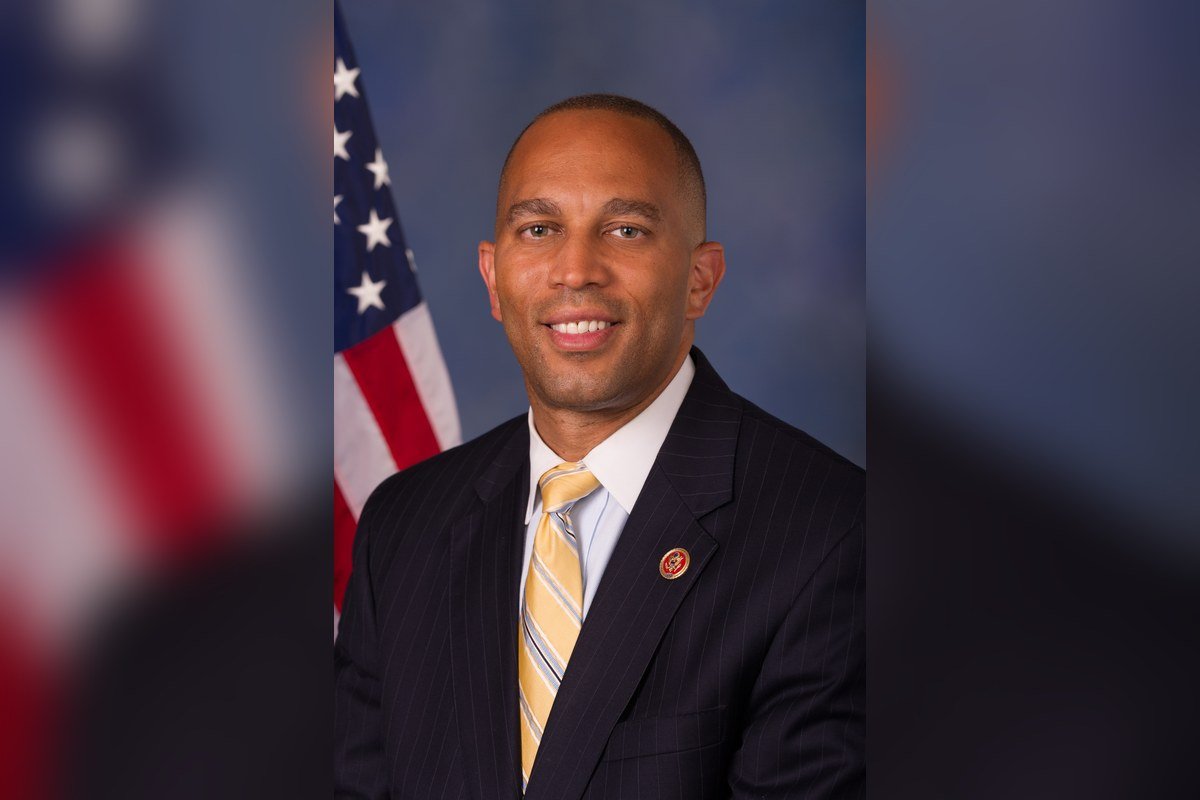
House Democrats have nominated Hakeem Jeffries to be the next Speaker of the US House of Representatives, putting the 56-year-old from Brooklyn on course to become the first Black lawmaker in American history to hold the gavel when the new Congress convenes on January 3, 2027.
Jeffries won the Democratic nomination in a closed-door secret ballot on Wednesday, November 18, securing 251 votes against 11. He ran unopposed, but the vote was not a formality: a small bloc of newly elected progressives refused to back him until the final hours, demanding commitments on healthcare, immigration enforcement and the war in Gaza. In the end, the scale of the win — 251 to 11, out of 262 votes cast including members-elect and House delegates — left no doubt about the outcome. All that now stands between Jeffries and the Speaker’s chair is a formal vote of the full House on January 3, the first act of the new Congress, which his allies and even his critics expect him to survive easily.
A Nomination Two Weeks After the Midterms
The nomination came roughly two weeks after Democrats swept back to power in the midterm elections, ousting Republicans in what party leaders described as a rebuke of President Donald Trump and the party in power. Voters delivered the Democrats one of their biggest incoming House majorities in decades, and the size of that majority is what made Jeffries’ path to the gavel so secure: with a cushion far above the 218 votes needed to win the speakership on the House floor, no small faction could hold the outcome hostage.
Jeffries himself said ahead of Wednesday’s vote that he was taking nothing for granted. He spent the days before the ballot meeting the caucuses that make up the House Democrats and talking to almost all of the incoming members. “I embrace those conversations,” he said. After clinching the nomination, he struck a note of unity and purpose: “People of this country are demanding big, dramatic and transformational change. The status quo is unacceptable. And we’re committed to delivering in a meaningful way the type of change that the American people deserve.”
The 251-11 Vote and the January 3 Formality
The closed-door vote was held among House Democrats and members-elect, before many of them have even been sworn into office. Jeffries was nominated by five Democrats drawn from across the caucus, among them Representative James Clyburn of South Carolina, one of the most senior members of the Congressional Black Caucus. Moments before the formal nomination, Clyburn delivered a powerful endorsement inside the room. “Hakeem is interested in headways and not headlines,” he declared, in a speech that those present described as powerful.
Former Speaker Nancy Pelosi, who faced her own defectors during leadership contests, downplayed the significance of the 11 votes against Jeffries. “I’m glad he took the vote so people could see how small the opposition was to him,” she said. “Don’t make a big deal. Each one of them is important. As 11, not so important compared to 250 some votes that he received.”
The formal election will take place when the new Congress — the 120th — convenes on January 3, 2027. Jeffries will need 218 votes on the House floor. According to projections cited by NBC News, Democrats are expected to hold 259 seats, comfortably above that threshold. The Speaker is second in the presidential line of succession, after the Vice President, which makes the post one of the most powerful in American government.
The Progressive Dissent: Seven ‘No’ Votes and Unfinished Demands
The 11 votes against Jeffries came largely from the party’s left flank. Seven newly elected progressives, several of them backed by the Democratic Socialists of America, said in a joint statement that they had voted “no” because there was “still work to be done” to secure commitments from Jeffries on their priorities. “Whether on Medicare for All, stopping ICE terror, getting money out of politics, or ending the genocide in Gaza, our constituents sent us to Congress with a mandate on these issues,” they said, referring to Immigration and Customs Enforcement. “We have worked to secure commitments from Leader Jeffries in good-faith conversations.”
Those signing the statement were members-elect Darializa Avila Chevalier of New York, Adam Hamawy of New Jersey, Frederick Haynes of Texas, Melat Kiros of Colorado, Donavan McKinney of Michigan, Chris Rabb of Pennsylvania and Claire Valdez of New York. Another incoming Democrat, Don Leonard, also told CNN he had voted against the nomination, saying he wanted commitments that Jeffries would prioritise ending the Citizens United ruling through a 28th Amendment and calling a vote on US aid to Israel. “We’ve got until the first week of January, I’m still holding out hope,” Leonard said.
Asked about the defectors, Jeffries would say only: “Our job is to fight MAGA extremism, not each other.” Some centrists were blunter. Representative Hillary Scholten of Michigan complained that “infighting over leadership positions” would not help deliver on the party’s campaign promises. Valdez, for her part, said she needed to “stand up” for the voters who elected her earlier this month, adding that “there’s a lot that’s still on the table right now.”
No formal response from the Republican leadership to the nomination was reported in the coverage of the vote.
A Leadership Team of Firsts
Jeffries does not take the top job alone. He is part of a leadership trio with Representative Katherine Clark of Massachusetts and Representative Pete Aguilar of California, and all three would be historic firsts: Clark is set to become the first woman to serve as House majority leader, and Aguilar the first Latino to hold the House’s number-three job of majority whip. All three ran unopposed.
The day’s other competitive leadership election also produced a historic result. Representative Lauren Underwood of Illinois won the vice-chair position and will become the highest-ranking Black woman in Congress. The three leaders — Jeffries, Clark and Aguilar — have risen together as the first new generation of Democratic leaders of the post-Pelosi era, and they will soon lead a House majority for the first time.
From Brooklyn to the Brink of the Gavel
Hakeem Jeffries, 56, was born in Brooklyn, New York, and represents the state’s Eighth Congressional District. He is serving his seventh term in the US House of Representatives, having first been elected in 2012, and he has been the House Democratic leader since 2023 — the highest-ranking Democrat in the chamber. He was unanimously elected to that position in 2022, succeeding Nancy Pelosi, and re-elected in 2024. In doing so, he became the first Black politician to lead a party in either chamber of Congress.
Before entering Congress, Jeffries served for six years in the New York State Assembly, where he worked on civil rights, criminal justice reform and housing legislation. In 2010, he led efforts to reform New York City’s controversial stop-and-frisk programme, and his legislation stopped the New York Police Department from keeping an electronic database of people who had been stopped and questioned but not charged. He also worked on legislation to end prison-based gerrymandering in New York, which counted incarcerated people in the districts where they were imprisoned rather than in their home districts.
In the House, Jeffries served as chair of the House Democratic Caucus and as whip of the Congressional Black Caucus before becoming leader. He was one of seven House impeachment managers during Donald Trump’s first impeachment trial in the Senate in 2020, becoming the first African American man to serve in that role. He played a part in passing the bipartisan FIRST STEP Act in 2018, which changed federal sentencing and prison rehabilitation programmes, and he supported the George Floyd Justice in Policing Act, which sought to introduce police reforms.
Jeffries graduated with honours in political science from the State University of New York at Binghamton. He later earned a master’s degree in public policy from Georgetown University and a law degree from New York University School of Law, graduating magna cum laude. Before entering politics, he worked as a lawyer at Paul, Weiss, Rifkind, Wharton & Garrison LLP and served in the legal departments of Viacom and CBS.
The Midterm Wave That Delivered the Majority
Jeffries’ nomination is inseparable from the midterm result that made it possible. Democrats campaigned on the cost of living, healthcare and checks on the Trump administration, and voters responded by handing them control of the House with a majority not seen in years. Phone calls and social media posts flooded Democratic offices in the run-up to the leadership vote, with protesters even heckling Jeffries during a Democratic conference in Denver last week — a sign of how energised, and how demanding, the party’s base has become.
The contrast with the last Republican speaker fight is striking. Jeffries’ predecessor as the leader of a new majority, Kevin McCarthy, needed 15 ballots to win the Speaker’s gavel in 2023. Jeffries, by comparison, enters January with a majority large enough to absorb dissent and still win on the first ballot — a luxury his party has not enjoyed in years.
What Jeffries Has Promised — and the Medicare Shift
In the run-up to the vote, Jeffries made a notable move towards the party’s left on its biggest policy demand: healthcare. He announced that he backs major tenets of a universal healthcare system — specifically, lowering the eligibility age for Medicare, creating a new programme that guarantees universal coverage for children, and adding hearing, dental and vision coverage to Medicare. It is a significant nod to progressive priorities, mirroring Senator Bernie Sanders’ approach to phasing in a Medicare for All system, while centrist Democrats have pushed for a Medicare-like public option instead.
The shift matters because it shows how Jeffries intends to govern: by absorbing enough of the left’s agenda to keep the caucus together, without surrendering the centre. Representative Yassamin Ansari of Arizona, a progressive caucus member, said Jeffries had been a collaborative leader who listened. “His job is to reflect all of us, not just a faction,” she said. “It is more productive to focus on preparing on what we’re going to do in the majority and what we need and want to get done in those first 100 days.”
Democrats are preparing to use their majority in the final two years of President Trump’s term to reverse Republican policies and investigate the administration. The scale of the majority gives Jeffries room to manage internal disagreements that would have sunk a leader with a slimmer margin.
What Happens Next: January 3 and the First 100 Days
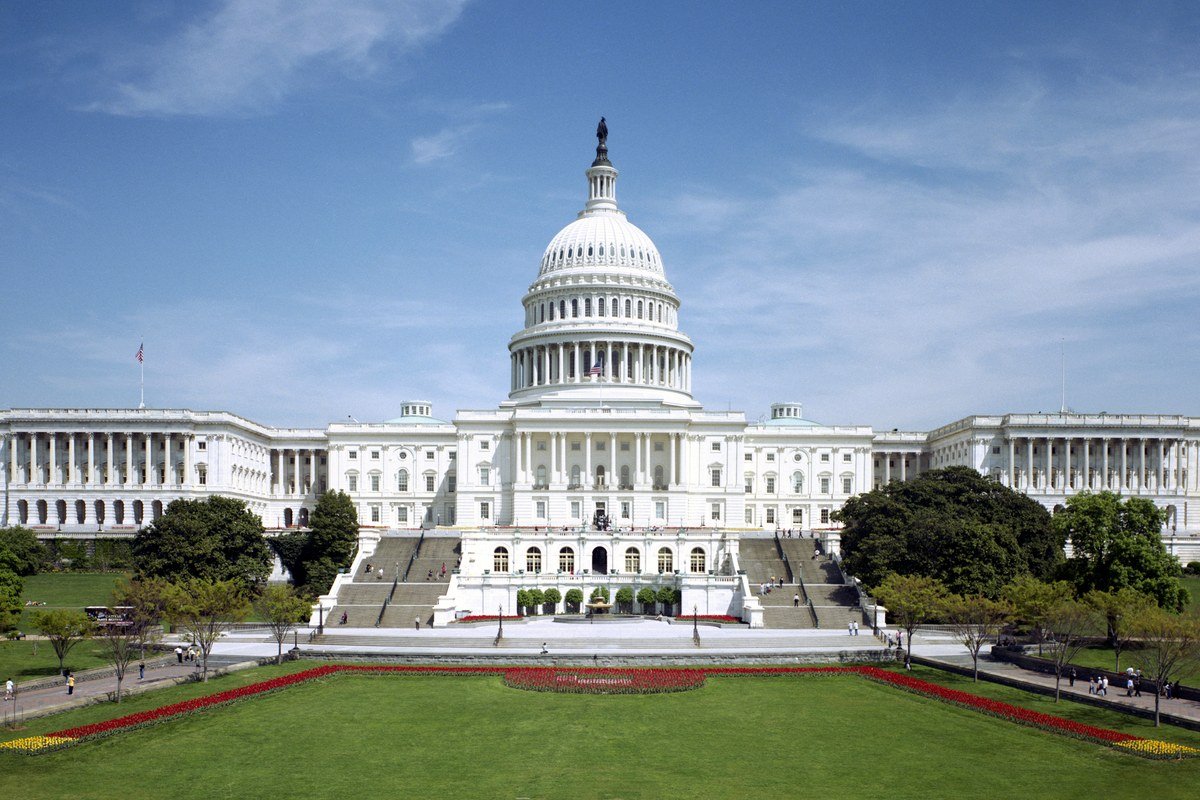
The immediate next step is procedural but decisive. On January 3, 2027, the new Congress convenes and the full House holds a roll-call vote for Speaker. Jeffries needs 218 votes; with a projected 259 Democratic seats, he is expected to clear that bar comfortably, even if a handful of Democrats vote against him or vote present. The vote is the first act of the new Congress, and it will be watched as the first test of whether the party’s warring wings can hold together in power.
Beyond that day, the questions are substantive. Democrats must decide how far and how fast to move on the agenda Jeffries has sketched — lower healthcare costs, action on money in politics, and oversight of the administration — while the progressive wing presses for votes on Medicare for All and US aid to Israel. The upheaval is not confined to the House: in the Senate, Democratic leader Chuck Schumer of New York faces a challenge from Senator Chris Van Hollen of Maryland, a reminder that the party’s internal reckoning is still under way.
For Jeffries, the prize is historic in itself. If the January vote goes as expected, a lawyer from Brooklyn who once fought stop-and-frisk in the New York Assembly will become the first Black Speaker in the 237-year history of the House of Representatives — and the second in line to the presidency of the United States.
Disclaimer: This story has been prepared on the basis of available sources and verification. If any fact is found to be incorrect, a correction will be published.