









New Delhi Bureau
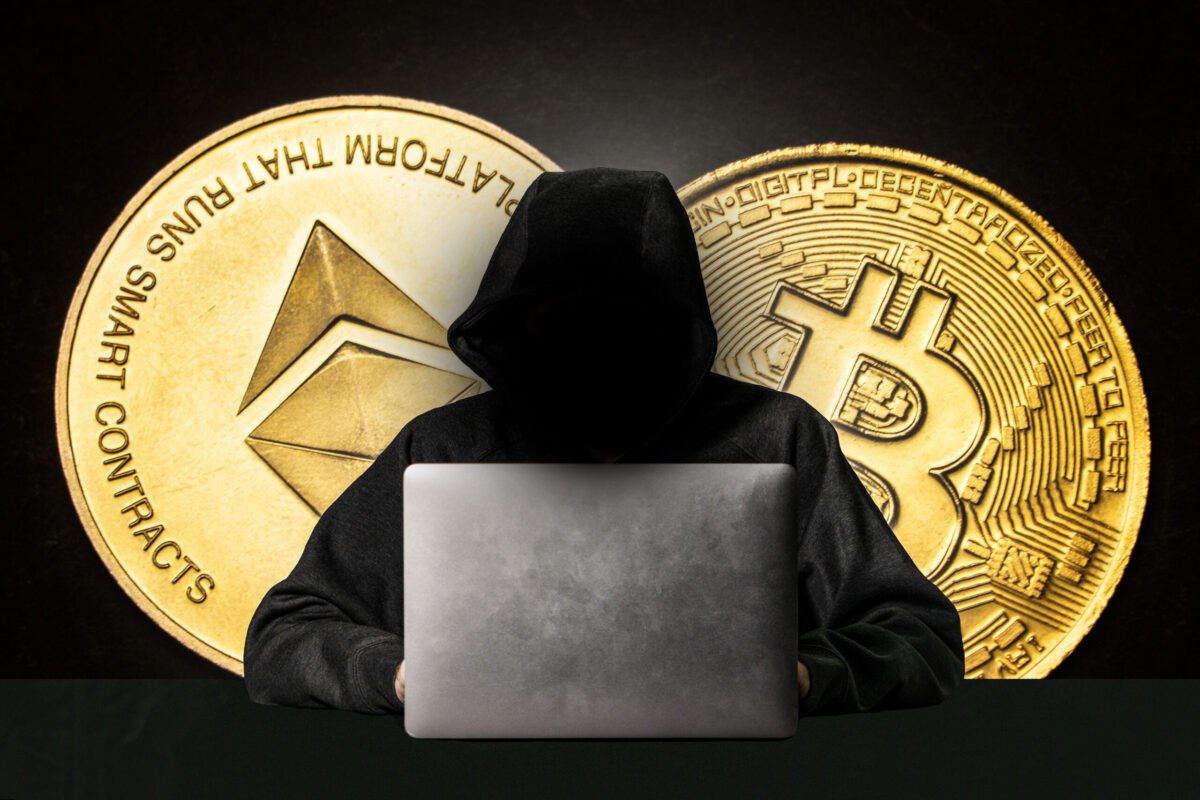
The Optimizely cyberattack hit 178 of the world’s most visited websites, including the BBC, CNN, HSBC and Zoom, planting malicious code that could swap cryptocurrency payments, skim card details typed into web forms and plant exploit code on iPhones — all through one trusted third-party service that the sites themselves had invited in.
Security researchers have uncovered one of the widest website attacks of the year. The malicious code was not planted on each website one by one. Instead, attackers slipped it into a single service used by hundreds of large organisations, and the websites then carried it to their own visitors. Because the code arrived through a familiar and trusted channel, browsers treated it as safe, and millions of ordinary visits may have passed through it before anyone noticed.
How the Optimizely cyberattack unfolded
Optimizely Web is a platform that lets companies test different versions of their web pages, a practice known as A/B testing. To do that, a website adds a small piece of Optimizely code, called a snippet, to its pages. Researchers at the security firm Report URI, led by Scott Helme, examined 1,611 of those snippets and found malicious JavaScript hidden in 188 of them. The affected snippets belonged to 178 organisations.
According to the researchers, the attackers got in through a weakness in the way new accounts were created for Optimizely’s Experimentation service. Once inside a customer’s project, they were able to change the code that the project sent out to websites. Because that code was delivered from Optimizely’s own content delivery network and carried a valid security certificate, browsers had no reason to block it. The websites had not been broken into directly; the tool they trusted had been turned against them.
Optimizely later confirmed the incident in a post on X at 01:21 UTC on Tuesday, 17 November, saying the vulnerable path had been blocked and the injected code removed. A company spokesperson, Victoria Johnson, confirmed to technology publications that an unauthorised party had exploited the flaw in the account sign-up flow.
The websites caught in the attack
The list of affected names reads like a directory of the internet itself. It includes the BBC and CNN, the video meeting service Zoom, the bank HSBC, the software company Salesforce, the coding platform GitLab, the furniture retailer IKEA, the credit reporting agency Equifax, Air France-KLM, the crypto wallet maker Ledger, the streaming service Peacock and Fox News. The full list published by Report URI runs to 178 organisations. The Optimizely cyberattack reached into almost every part of daily online life, from banking to entertainment.
The damage was spread unevenly. Banking and finance accounted for 32 affected organisations, the largest single group, followed by technology with 23, retail with 20, streaming with 12 and news media with 10. That spread matters: the same attack could reach a person checking a bank balance, shopping for furniture, watching a show or reading the news.
What the hidden code was designed to do
The injected code was built to do several harmful things at once. When a visitor tried to send cryptocurrency, it could quietly replace the recipient’s wallet address with one controlled by the attackers, so the payment went to the wrong place. On pages with payment or login forms, it could copy card numbers and other details as they were typed. It could also steal browser cookies and take screenshots of what a visitor was seeing on screen.
On Apple phones, the code went further. It planted exploit code aimed at iPhones, taking advantage of weaknesses that have since been patched. The campaign has been given the name “Optimjack” by researcher Amirul Iman. Importantly, Reuters, whose reporting was carried by NDTV, said it could not immediately establish whether the code had been successfully used in every case, or how far any resulting hacks went. Being exposed to the code is not the same as having money stolen, but the risk was real for anyone who visited an affected site while the code was live.
Banks, shops and news sites hit hardest
The sector figures show why the attack drew so much attention. With 32 banking and finance organisations affected, the code sat on pages where people routinely enter account and card details. Technology companies, with 23 affected organisations, and retailers, with 20, were next, while streaming services accounted for 12 and news media for 10. A single compromised supplier had, in effect, placed malicious code on the doorstep of the world’s biggest banks, shops and broadcasters at the same time. The Optimizely cyberattack also showed how a single supplier can become a single point of failure for hundreds of household names.
The companies affected have responded in different ways. Salesforce said it was investigating and had switched off the scripts as a precaution. Equifax said it had investigated and stopped using Optimizely. Other organisations on the list have been checking their own sites and removing any trace of the injected code. Cybersecurity firm HudsonRock separately found evidence that sites had served the malicious code, adding weight to the findings.
How the attack was found and stopped
The first sign of trouble appeared in the BBC’s snippet at 04:21 UTC on Monday, 16 November. By 19:25 UTC that day, wallets linked to the attackers had received about $7,040. The window did not stay open for long: by 21:52 UTC, only one snippet, belonging to the UK broadband provider TalkTalk, was still infected. Optimizely’s public confirmation followed in the early hours of Tuesday.
The speed of the clean-up limited the damage, but it also shows how fast a supply-chain attack can move. The attackers did not need to break into 178 organisations. They needed to break into one supplier, and the supplier’s reach did the rest. That is the defining feature of a supply-chain attack: the weakest link is not always the website a person visits, but a service working quietly behind it. Within a day, the Optimizely cyberattack had gone from first detection to near-total clean-up, but the questions it raised about third-party code will last far longer.
The India angle: what users here should know
Indian users were not outside the blast radius. Report URI’s list includes Crocs India (crocs.in), and anyone in India who visited an affected international site during the attack window may have been exposed to the malicious code. No confirmed losses in India have been established so far, and there is no evidence that any Indian organisation was among the worst hit. Even so, the episode is a reminder that a global attack on household-name websites reaches Indian screens as quickly as anywhere else.
Readers in India should also be alert to the follow-on risk. After a widely reported attack, fraudsters often send fake warnings and refund offers that are themselves scams. The PIB has previously warned people not to click links in unexpected fake messages or share one-time passwords, and police have issued similar warnings about cyber fraudsters targeting the public. Fake orders and documents have also been used to get websites blocked, as in the case of the 129 betting websites shut down after fake court orders.
How to stay safe after the Optimizely cyberattack
The most important step for iPhone users is to update. The weaknesses the code tried to exploit are fixed in iOS 18.7.3 and later, and in iOS 26.3 and later, so anyone who has not updated should do so now. Android and desktop users should also install any pending browser and system updates.
Anyone who visited an affected site on Monday, 16 November, or in the early hours of Tuesday, 17 November, should check recent card and bank statements for transactions they do not recognise, and report anything suspicious to their bank at once. People who use cryptocurrency should check the address shown before confirming any payment, and consider moving funds if they entered wallet details on an affected site. Changing passwords and signing out of sessions on important accounts is a sensible precaution.
Finally, treat the attack as a warning about the sites we trust by habit. A familiar logo and a padlock icon in the address bar do not guarantee that every piece of code on a page is safe, especially when that code comes from a third party. Keeping devices updated, checking statements and pausing before entering card details on any site remain the simplest defences. For fuller reporting on the incident, see the original coverage by the Indian Express.
Disclaimer: This report is based on available sources and verification. If any fact is found to be incorrect, a correction will be published.