





New Delhi Bureau
Hours after Prime Minister Narendra Modi inaugurated the ₹4,280-crore Nitish Setu in Bihar, supporters of the Rashtriya Janata Dal tore down his posters and banners on the new bridge, turning a showcase infrastructure opening into the Nitish Setu poster row, a full-blown political confrontation over the bridge’s name, its credit and an invitation that never came.
What happened on the bridge
The trouble broke out on Sunday, a day after the Prime Minister opened the six-lane bridge over the River Ganga in Vaishali district. After the police barricades were removed and the bridge was opened to the general public, a large group of people carrying Rashtriya Janata Dal flags drove onto the structure, waved party flags and began pulling down posters and banners of the Prime Minister and other National Democratic Alliance leaders that had been put up along the bridge. Videos circulating widely on social media show the group tearing down the banners and kicking Bharatiya Janata Party flags along the freshly paved carriageway, while raising slogans in support of party chief Lalu Prasad Yadav and Leader of the Opposition in the Bihar Assembly Tejashwi Yadav. The commotion continued for nearly 40 minutes, with police personnel present at the spot as it unfolded. The group included young people and children carrying party flags, shouting slogans against the Prime Minister.
The invitation that never came
At the heart of the Nitish Setu poster row, according to the opposition, is an invitation that was never sent. Tejashwi Yadav is the MLA from Raghopur, the constituency the bridge directly serves, and residents of the area said he had not received an invitation to the unveiling ceremony even though the project’s foundation stone was laid when he was part of the state government. The Rashtriya Janata Dal’s supporters see the omission as a deliberate slight; the ruling alliance sees the protest that followed as an attempt to claim credit for a project it had nothing to do with. Neither side has shown any sign of stepping back from that argument.
The naming row behind the protest
The poster-tearing did not come out of nowhere. It followed days of argument over what the bridge should be called. Tejashwi Yadav had questioned the decision to name the Kachhi Dargah–Bidupur bridge after former chief minister Nitish Kumar, arguing that it should instead have been named after Guru Gobind Singh, the tenth Sikh Guru and founder of the Khalsa. On Friday he shared two official documents on social media showing that he had earlier petitioned for the bridge to be named ‘Akshaywat Rai Setu’ after the Vaishali freedom fighter and socialist leader — first in a written request as an MLA in January, and then through a private member’s resolution in the Assembly in February. Leaders of the Aam Aadmi Party in Punjab have also criticised the naming decision. Defending the protest, Rashtriya Janata Dal MP Sudhakar Singh claimed the bridge had already been inaugurated earlier, and that public money had been spent on a second ceremony merely to rename it.
BJP and NDA hit back
The Bharatiya Janata Party responded sharply. Party spokesperson Niraj Kumar Sharma accused the Rashtriya Janata Dal of indulging in political theatrics instead of welcoming a major development project, calling it an “anti-development mindset” and adding: “The people of Bihar want bridges, roads and jobs. Not jungle raj and the politics of disruption.” Senior party leader and minister Vijay Kumar Sinha attacked the opposition party’s record, alleging that those who laid its foundation went on to “loot the poor” and even “embezzled the fodder meant for animals”. Another party spokesperson, Kuntal Krishna, said the Rashtriya Janata Dal “was the party of goons and lumpen elements, and it has remained the same even today”. Chief Minister Samrat Choudhary defended the naming, saying it honoured Nitish Kumar’s two decades of public service and a project conceptualised in 2012 with broad consensus. Bharatiya Janata Party MP Janardan Singh Sigriwal accused Tejashwi Yadav and his family of ignoring Raghopur’s infrastructure needs during their 15 years in power, asking why a representative who “never visited” the area was now claiming a stake in its bridge.
About Nitish Setu
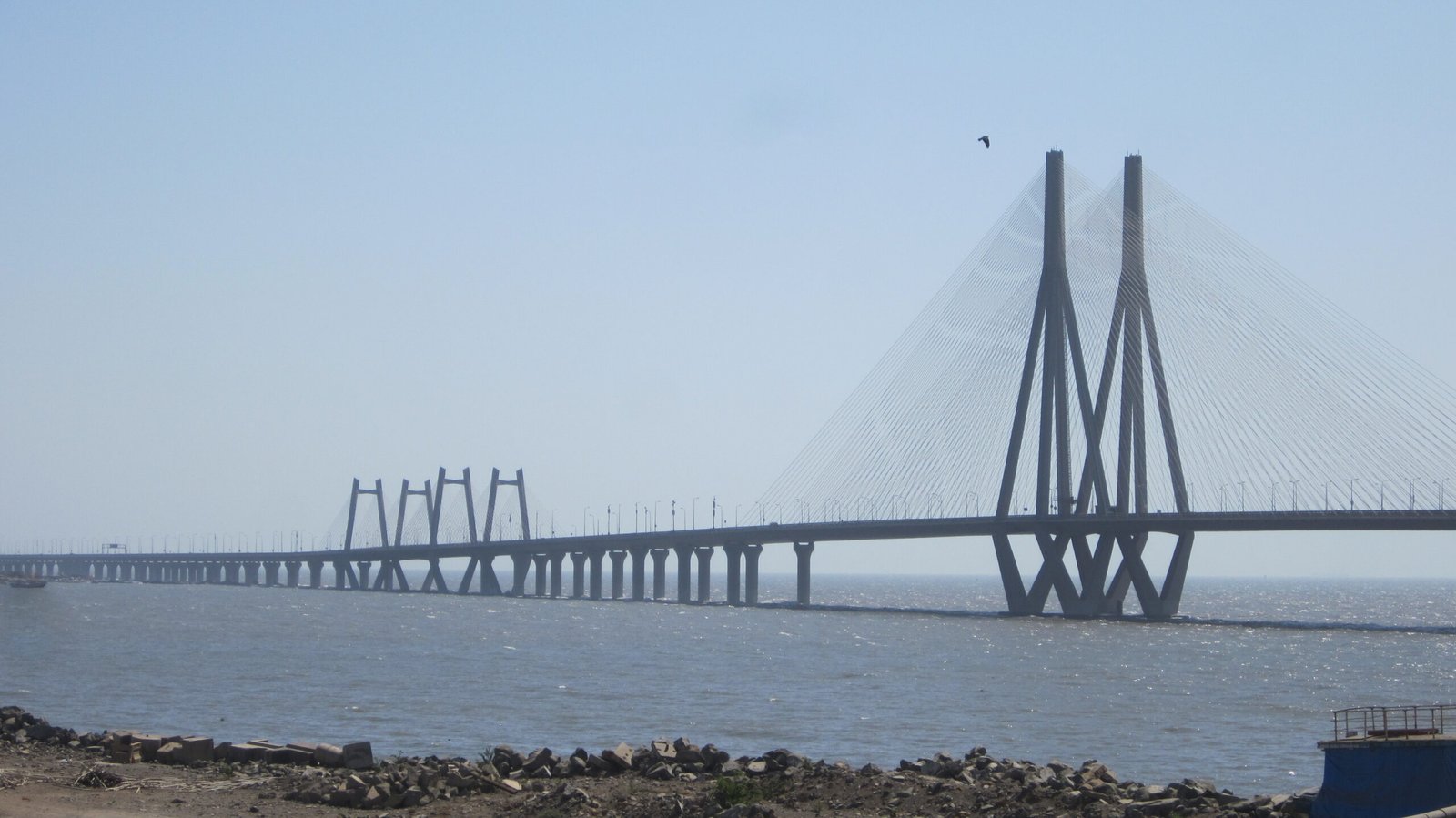
The bridge at the centre of the row is a 9.76 km six-lane extradosed cable-stayed bridge across the River Ganga, built at an estimated cost of ₹4,280 crore. With 10 km of approach roads, the full project runs to 19.7 km, connecting Kachhi Dargah on National Highway 22 in Patna district with Bidupur on National Highway 322 in Vaishali district. For the people of Raghopur Diara, who waited decades for a direct crossing, it ends a long period of dependence on ferries and long detours. The Prime Minister inaugurated the structure on Saturday, November 21, in the presence of Chief Minister Samrat Choudhary and Union Minister Chirag Paswan, presenting it as a landmark for the region’s connectivity and development.
The Nitish Setu poster row widens into a Bihar confrontation
The Nitish Setu poster row, which began as a protest on a bridge, has widened into a larger political confrontation in Bihar. The debate now draws in the Janata Dal (United), the Congress, the Jharkhand Mukti Morcha and Jan Suraaj founder Prashant Kishor, with opposition leaders exchanging accusations over the bridge’s funding, its repeated inauguration, its naming and Nitish Kumar’s position within the National Democratic Alliance. Opposition leaders have charged that the Bharatiya Janata Party is “swallowing JD(U)” and that Nitish Kumar has been “discarded”, while the ruling alliance insists the inauguration was a development milestone being dragged into politics. With the naming question still unresolved in public debate and both sides trading charges, the bridge that was meant to connect two banks of the Ganga has instead become the newest fault line in Bihar politics.
Disclaimer: This report is based on available sources and verification. If any fact is found to be incorrect, a correction will be published.
Read more: Nitish Setu inauguration
Source: The Hindu